
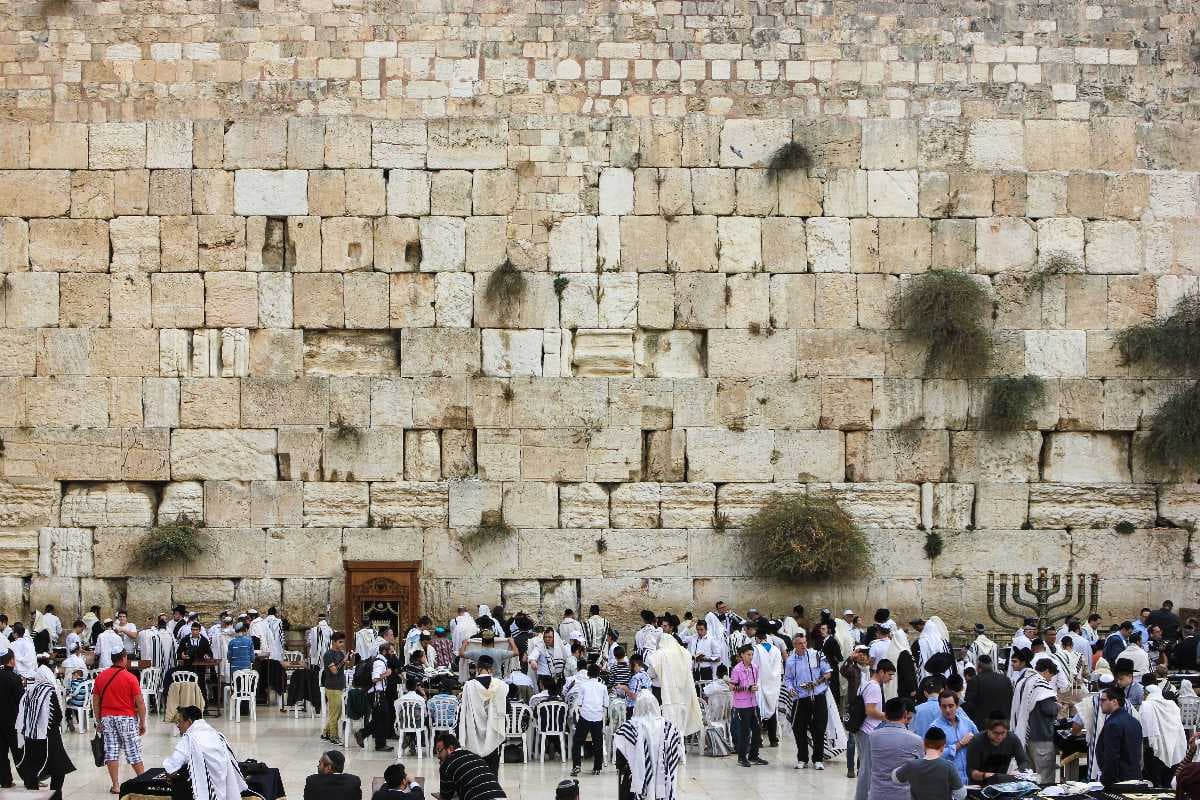
The Western Wall, also known as the Wailing Wall or the Kotel, is a revered site for Jewish people worldwide. It's the last remaining outer wall of the ancient Jewish temple, and it stands as a powerful symbol of hope and resilience.
A Journey Through Time:
- Ancient Origins: Built by King Herod in 20 BCE, the Western Wall served as a supporting structure for the Second Temple. When the Romans destroyed the temple in 70 CE, this wall remained, becoming a focal point for Jewish prayer and mourning.
- A Symbol of Endurance: Over centuries, the Western Wall has witnessed countless prayers, tears, and celebrations. It's a place where Jewish people connect with their history, their faith, and their collective identity.
- A Modern Gathering Place: Today, the Western Wall Plaza is a bustling hub of activity. Visitors from all over the world come to pray, touch the ancient stones, and leave notes with their wishes tucked into the wall's crevices.
Experiencing the Western Wall:
- The Wall Itself: The massive stones, some weighing several tons, inspire awe. The wall is divided into sections for men and women, each with its own unique atmosphere.
- The Western Wall Tunnels: For a deeper historical perspective, explore the tunnels beneath the plaza. You'll see ancient artifacts and learn about the wall's history.
- The Western Wall Heritage Site: This museum offers interactive exhibits that bring the wall's story to life.
A Note for Visitors:
- Dress Code: Modest attire is encouraged, especially for women.
- Respectful Behavior: Maintain a quiet and reverent atmosphere.
- Photography: Photography is generally allowed, but avoid using flash.
The Western Wall is an unforgettable experience. Whether you are Jewish or not, a visit to this sacred site offers a profound connection to history, faith, and the enduring human spirit.
Western Wall, Jerusalem