
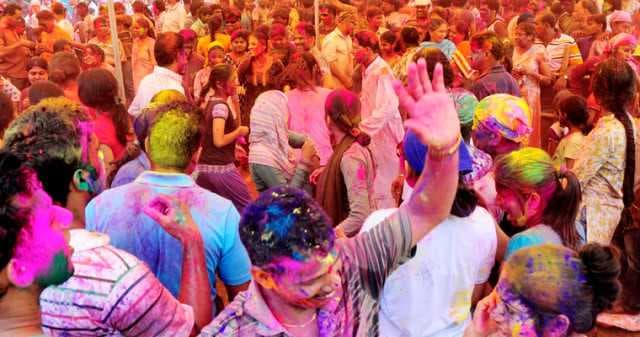

The Shigmo festival is a vibrant and culturally rich celebration that heralds the arrival of spring in Goa, India. It's a festival that beautifully blends religious fervor with folk traditions, showcasing the unique heritage of the Konkani Hindu community.
Origins and Significance:
- Shigmo's roots lie in Goa's agrarian past, where it originally served as a harvest festival, marking the end of the farming season.
- It also has historical significance as a celebration to welcome warriors returning home after battles.
- The festival is deeply connected to Hindu mythology, with various rituals and performances depicting scenes from epics like the Ramayana and Mahabharata.
- Essentially, Shigmo represents a celebration of spring, a time of renewal and gratitude.
Festival Celebrations:
- Shigmo festivities span several days, typically occurring in the Hindu month of Phalgun, which usually falls in March.
- The festival is characterized by two main forms of celebration: "Dhakto Shigmo" (Small Shigmo) and "Vhadlo Shigmo" (Big Shigmo).
- Dhakto Shigmo is predominantly celebrated in rural areas, focusing on traditional temple rituals and folk performances.
- Vhadlo Shigmo features grander parades and street processions in urban centers.
- The festival is marked by several cultural and religious activities, including:
- Float Parades (Chitrarath): Elaborately decorated floats depicting mythological scenes and Goan folklore are a major highlight. These parades move through the streets, accompanied by music and dance.
- Folk Dances: Traditional Goan folk dances, such as Ghode-Morni (horse dance), Fugdi, and others, are performed, showcasing the region's rich cultural heritage. These dances often involve rhythmic movements and vibrant costumes.
- Musical Performances: Traditional Goan music, played on instruments like the dhol and tasha, creates a lively and festive atmosphere.
- Temple Rituals: Religious rituals and prayers are an integral part of Shigmo, with devotees visiting temples to seek blessings.
- Gulalotsav: Similar to Holi, Shigmo also involves the use of "gulal" (colored powder), particularly during processions, adding to the festive atmosphere.
- Village celebrations include unique rituals that vary from village to village.
Key Aspects:
- Traditional Attire: Participants often dress in colorful traditional attire, adding to the visual spectacle of the festival.
- Community Participation: Shigmo is a community-oriented festival, with people from all walks of life coming together to celebrate.
- Cultural Preservation: The festival plays a vital role in preserving and promoting Goa's traditional arts, music, and folklore.
In essence, Shigmo is a vibrant and immersive cultural experience that offers a glimpse into the heart of Goan traditions.