
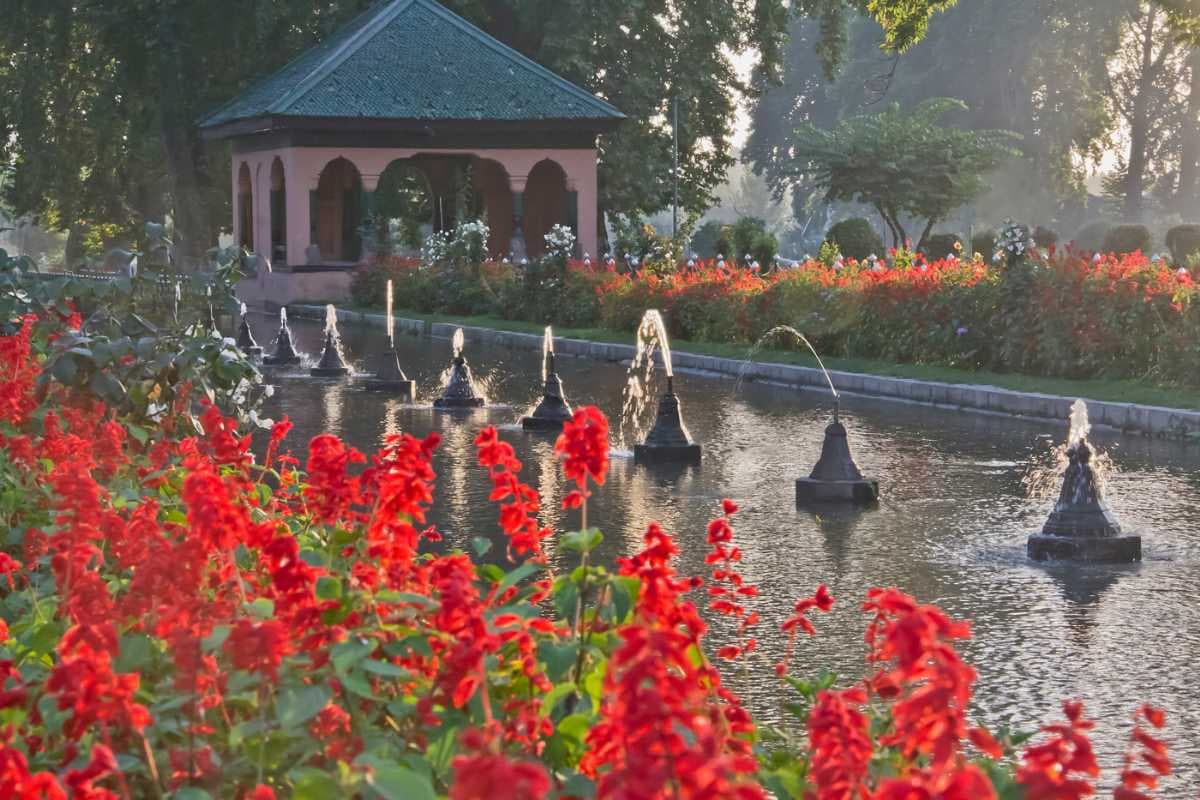

That's the magic of Shalimar Bagh, a Mughal masterpiece in Srinagar, Kashmir.
Built in 1619 by emperor Jahangir for his wife Nur Jahan, Shalimar Bagh is a love letter etched in nature. Originally called Farah Baksh, meaning "delightful," the garden truly lives up to its name.
A walk through paradise
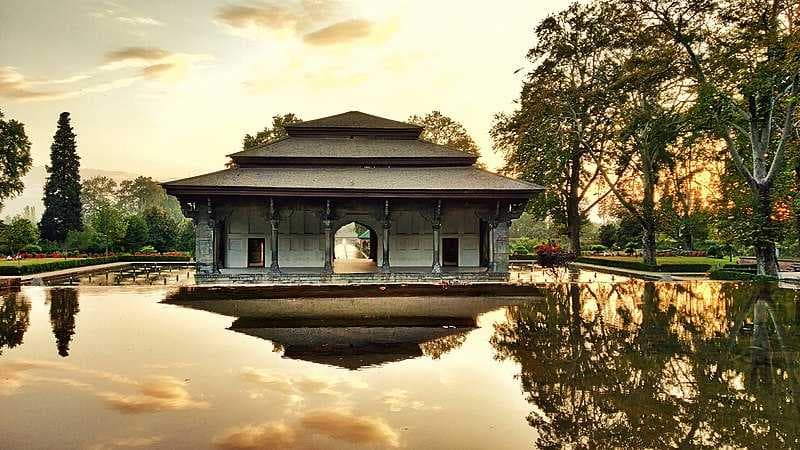
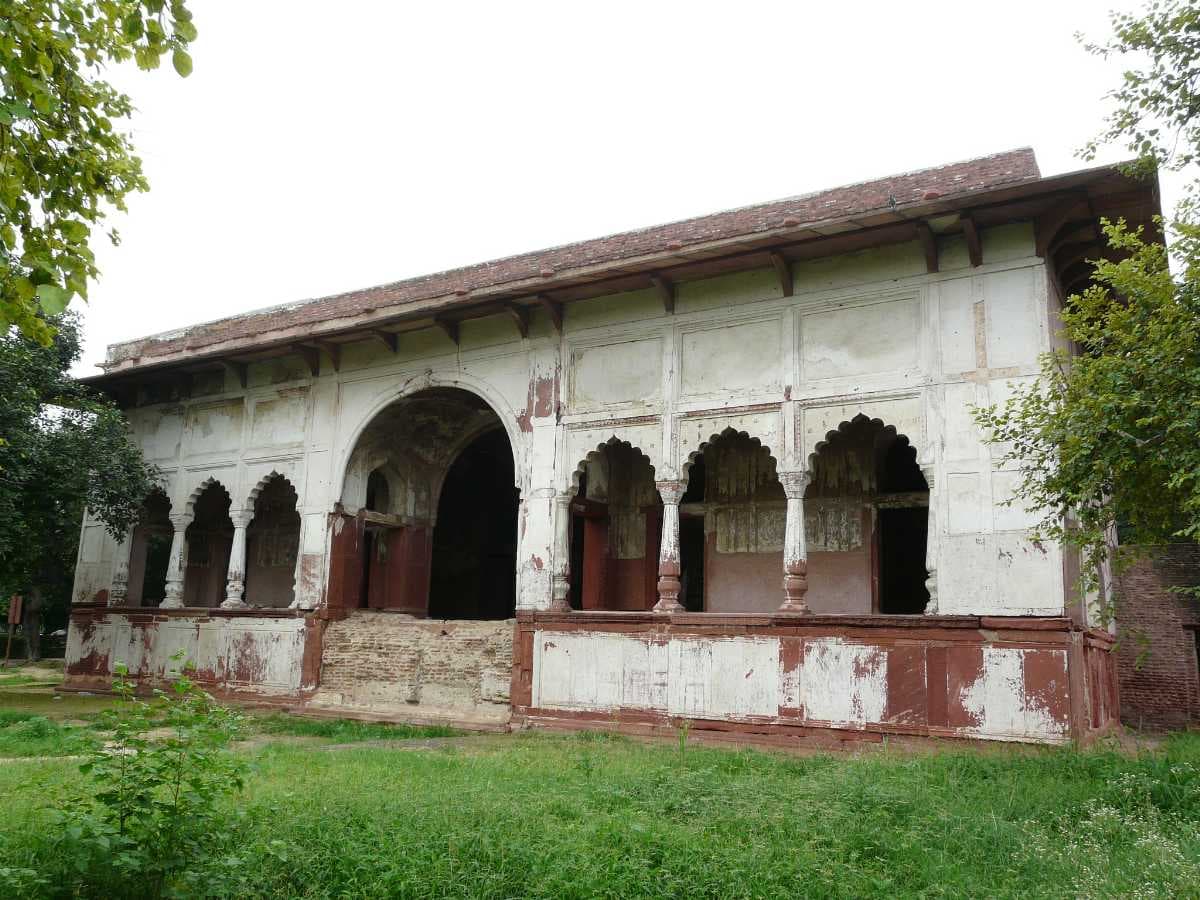
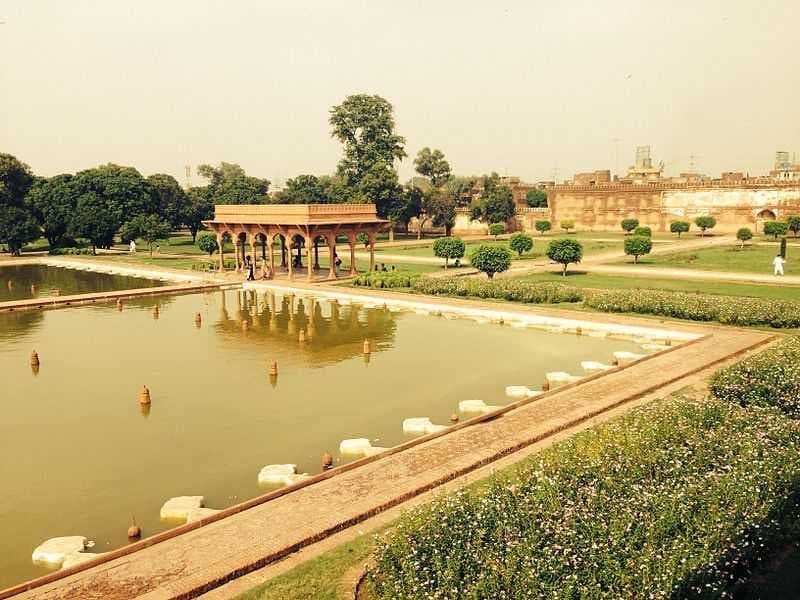
Shalimar Bagh is a visual feast. The garden is laid out in the classic Mughal style, with three terraces rising one above the other. Each tier has its own unique charm. The first terrace, Diwan-i-Aam (Hall of Public Audience), was once a space for public gatherings. The middle terrace, Diwan-i-Khas (Hall of Private Audience), was reserved for the emperor and his court. This is where you'll find the famed Black Marble Pavilion, a beautiful example of Mughal architecture. The topmost terrace offers stunning views of the Dal Lake, a perfect place to relax and soak in the beauty.
Architectural Delights
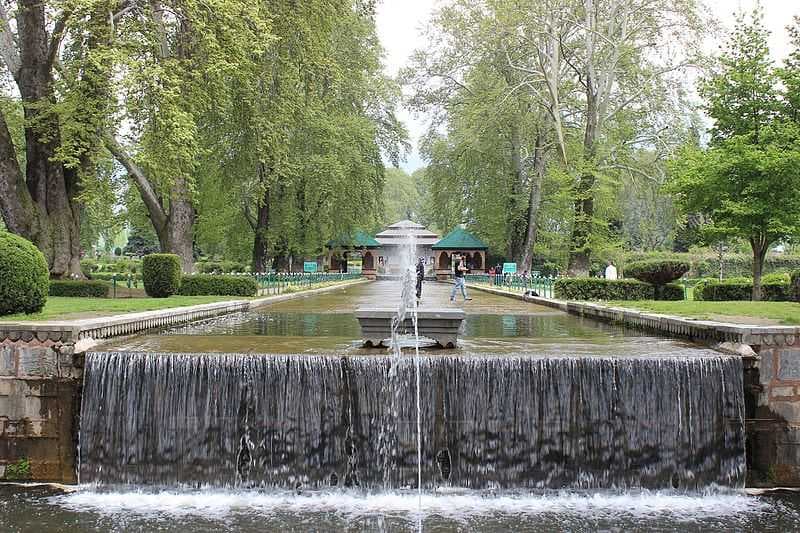
Shalimar Bagh boasts more than just flowers. Keep an eye out for the intricate chini khanas, arched niches that often house cascading waterfalls. The tall chinar trees, some believed to be centuries old, add a touch of majesty to the landscape.
A haven for nature lovers
The Shalimar Bagh is a paradise for those who love nature. The air is fragrant with the scent of roses, tulips, and other flowering plants. The canals and fountains add a touch of serenity, making it the perfect place to escape the hustle and bustle of city life.
Tips for your visit
- The Shalimar Bagh is open from 9:00 AM to 7:00 PM from April to October and 10:00 AM to 5:00 PM from November to March.
- The entry fee is nominal.
- Comfortable shoes are recommended as you'll be doing a fair bit of walking.
- The best time to visit is during spring or autumn when the weather is pleasant.
- Combine your visit to Shalimar Bagh with other nearby Mughal gardens like Nishat Bagh for a full day of Mughal grandeur.
Shalimar Bagh is a must-visit for anyone traveling to Srinagar. It's a testament to Mughal engineering, aesthetics, and love for nature, offering a glimpse into a bygone era.