



The Presidential Palace in Hanoi, Vietnam is a beautiful but restricted landmark steeped in history. Here's what you can expect on your visit:
A Glimpse of Colonial Grandeur:
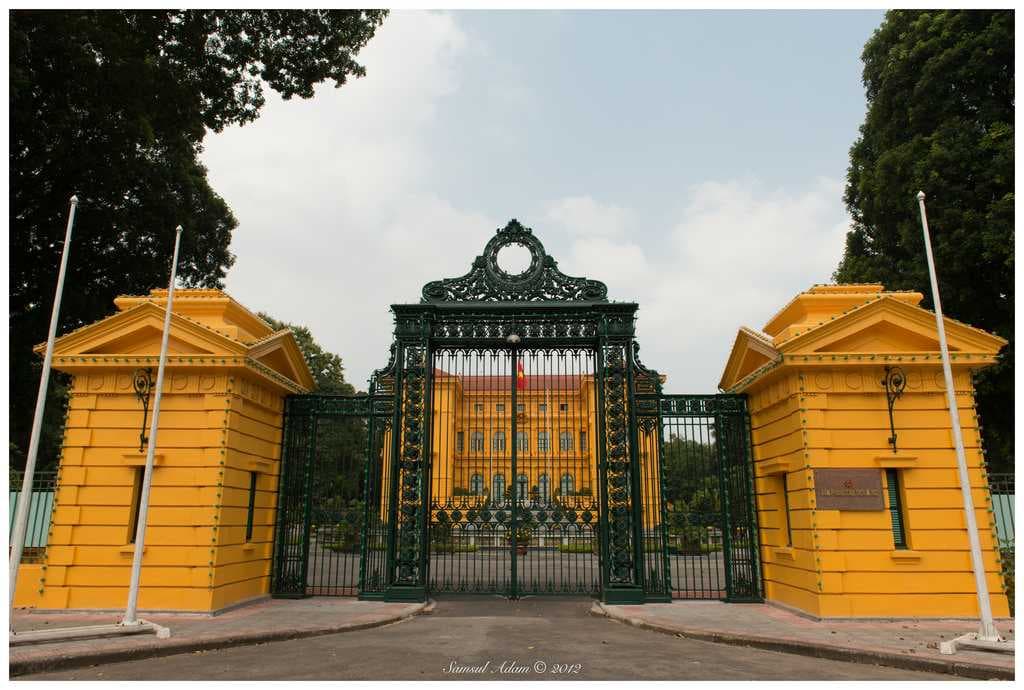
Built in the early 1900s, the Palace is a three-story structure boasting a mustard yellow facade and a red-tiled roof. It exemplifies French colonial architecture, featuring a symmetrical design with a central block flanked by two wings. While the grand interiors are off-limits to tourists, you can admire the building's elegance from the surrounding gardens.
Tranquil Gardens and Historical Sights:
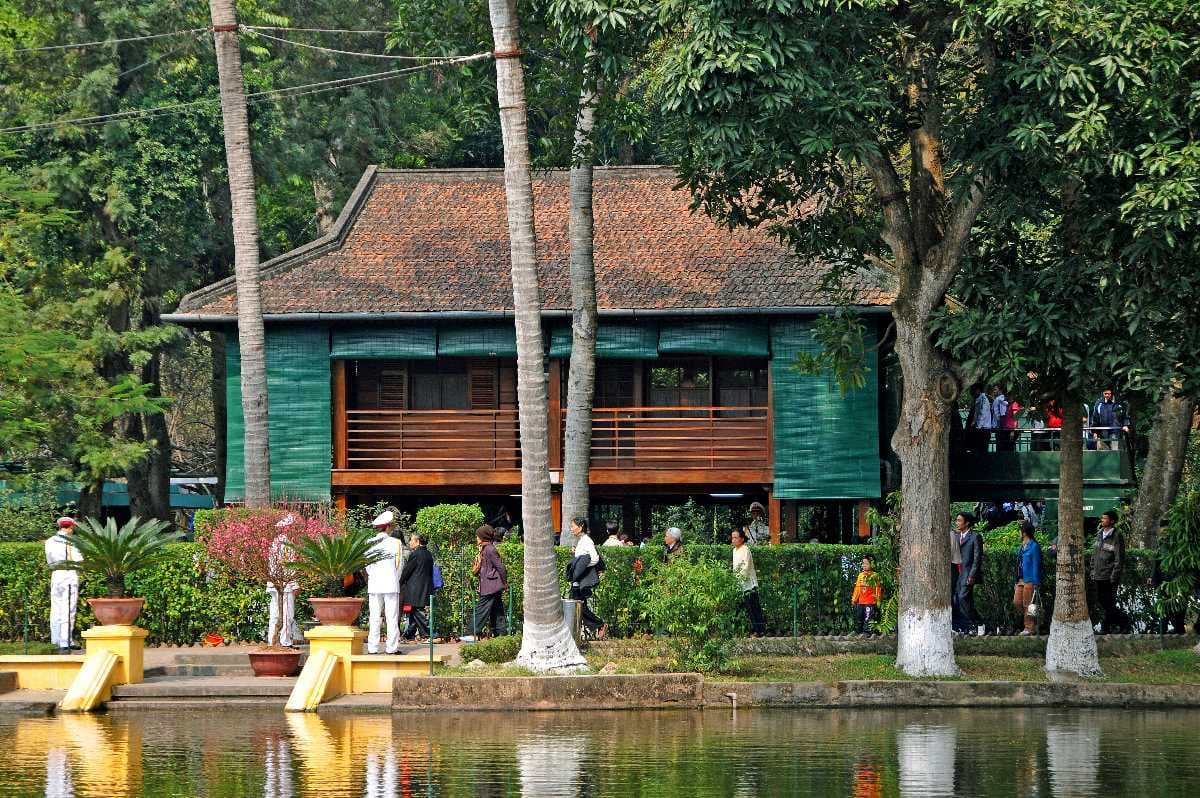
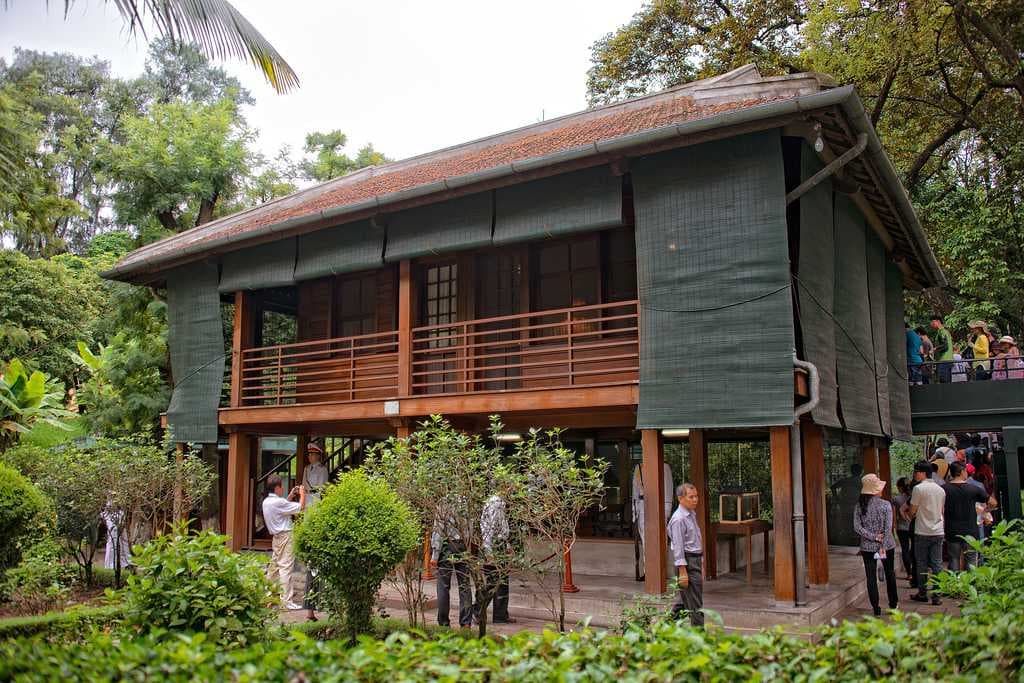
The Palace grounds are a sight to behold. Lush green gardens with mature trees and fragrant flowers create a peaceful atmosphere. Within the complex, you can find other historical attractions like the Ho Chi Minh Stilt House, where the beloved president chose to reside despite the Palace's availability. This simple wooden house on stilts serves as a powerful symbol of Ho Chi Minh's modesty and his connection to the Vietnamese people.
A Tale of Two Leaders:
The complex offers a unique juxtaposition of Vietnamese and French influences. The Palace itself represents French colonial rule, while Ho Chi Minh's stilt house embodies Vietnamese tradition and leadership. This historical contrast provides a glimpse into Vietnam's complex past.
Tips for Visitors:
- The Presidential Palace itself is closed to the public, but the surrounding complex is open for exploration.
- There's an entrance fee for foreign visitors.
- Be sure to wear modest clothing that covers your shoulders and knees.
- Take your time strolling through the gardens and learn about the various historical landmarks within the complex.
Even though you can't enter the Presidential Palace, a visit to the surrounding complex offers a fascinating look at Vietnamese history and the life of Ho Chi Minh.