
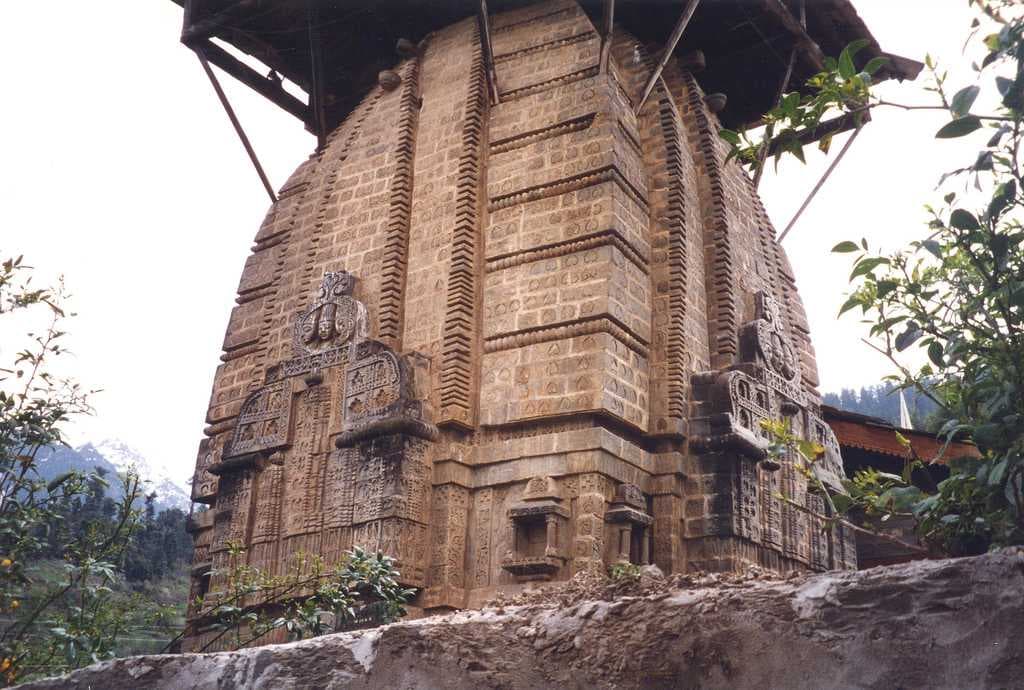
Nestled in the charming town of Naggar, Himachal Pradesh, the Krishna Temple, also known as the Murlidhar Krishna Temple, offers a delightful experience for spiritual seekers and nature enthusiasts alike. Here's a glimpse of what awaits you:
Enchanted Location:
The temple resides on a quaint hilltop terrace, believed to be the site of the ancient town of Thawa, predating Naggar by a thousand years. This elevation grants the temple grounds breathtaking panoramic views of the surrounding valleys and the majestic Himalayas.
Scenic Approach:
There are two ways to reach the temple, each offering a unique charm. You can choose a leisurely 25-minute hike through a cobbled lane that winds beside a stream, offering a refreshing start to your visit. Alternatively, a slightly longer, bumpy ride on a local taxi or personal vehicle (depending on road conditions) can take you up directly.
Fragrant Tranquility:
As you step into the temple courtyard, the air is often filled with the intoxicating fragrance of citrus and honeysuckle, creating a serene and welcoming atmosphere. The 11th-century stone structure, with its patched-up shikhara (tower), boasts intricate carvings, some depicting musical instruments and even remnants of ancient knowledge like the Karma Sutra.
Inner Sanctum:
The inner sanctum houses the revered idol of Lord Krishna, playing his murli (flute). The idol's black face adds a unique touch to the deity's portrayal. While non-Hindus may not be allowed into the inner sanctum itself, the temple's peaceful ambiance offers a chance for quiet contemplation.
Points to Remember:
- Dress modestly, covering shoulders and knees, as is customary when visiting Hindu temples.
- Photography is generally allowed within the temple complex, but be respectful of devotees and avoid using flash.
- There's a small donation box if you wish to contribute to the temple's upkeep.
Combining Your Visit:
The Krishna Temple is located close to Naggar Castle. Consider combining your visit to the temple with a trip to the castle for a full day of exploring Naggar's rich history and cultural heritage.