


The Grandeur of Khetri Mahal: A Journey Through History and Architecture
Nestled in the heart of Jhunjhunu, Rajasthan, India, the Khetri Mahal stands as a majestic testament to the region's rich history and architectural brilliance. Often referred to as the "Wind Palace," this 18th-century marvel exudes an aura of grandeur that has captivated visitors for centuries. Embark on a journey through time as we explore the captivating beauty of Khetri Mahal:
A Glimpse into History:
The Khetri Mahal traces its roots to 1770 when it was commissioned by Maharaja Sawai Bhopal Singh, the ruler of Khetri. Its construction marked a pivotal moment in the town's development, transforming it into a prominent center of art, culture, and trade.
Architectural Splendor:
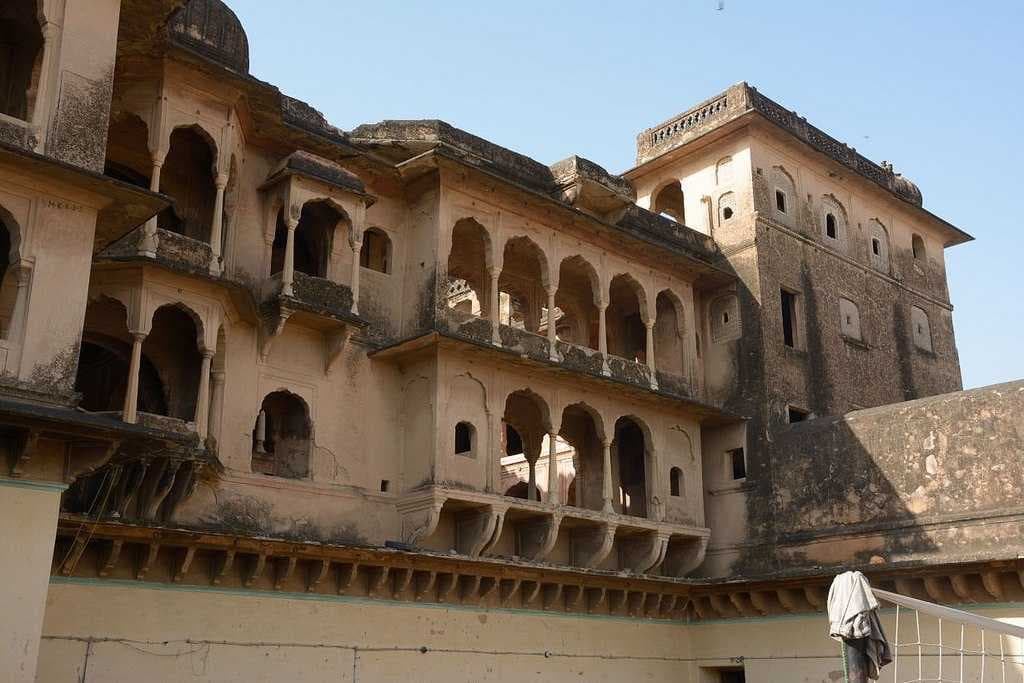
The Khetri Mahal is a symphony of architectural styles, seamlessly blending Rajput, Mughal, and Persian influences. Its most striking feature is the intricate network of jharokhas (balconies) and chhatris (domed pavilions) that adorn its facade. These elements not only enhance the aesthetic appeal but also serve a practical purpose, allowing for natural ventilation and providing panoramic views of the surrounding town.
Exploring the Mahal's Delights:
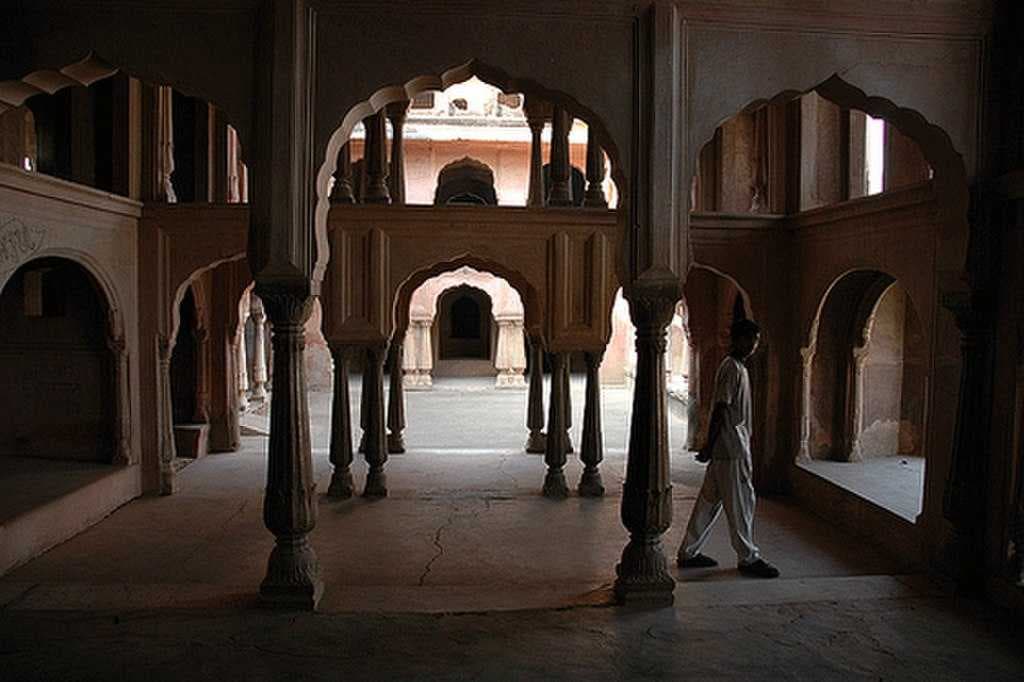
Step through the grand entrance and immerse yourself in the opulence of the Khetri Mahal. Wander through its courtyards, admire the intricate carvings on its walls and pillars, and marvel at the exquisite murals that depict scenes from mythology and royal life.
Delving into the Durbar Hall:
The heart of the Khetri Mahal is the Durbar Hall, a grand chamber where the Maharaja once held court. Its walls are adorned with colorful paintings and intricate mirror work, creating an atmosphere of regal splendor.
Ascending to the Rooftop:
Climb the winding staircases to reach the rooftop of the Khetri Mahal, where breathtaking views of the town await. From here, you can witness the sprawling cityscape, the ancient fort in the distance, and the vibrant hues of Rajasthan's landscape.
A Cultural Tapestry:
The Khetri Mahal is not merely a historical monument; it is also a vibrant cultural hub. Throughout the year, it hosts traditional Rajasthani dance performances, music concerts, and other cultural events, offering a glimpse into the region's rich heritage.
Tips for Enriching Your Visit:
Timing: The Khetri Mahal is open from 10:00 AM to 5:00 PM daily.
Attire: Dress modestly, covering your shoulders and knees.
Footwear: Opt for comfortable shoes as you'll be exploring various levels of the palace.
Camera: Capture the architectural details and picturesque views with your camera.
A Journey to Remember:
A visit to the Khetri Mahal is an unforgettable experience, transporting you to a bygone era of Rajputana royalty. Its architectural splendor, rich history, and vibrant cultural atmosphere make it a must-visit destination for anyone exploring the wonders of Rajasthan.