


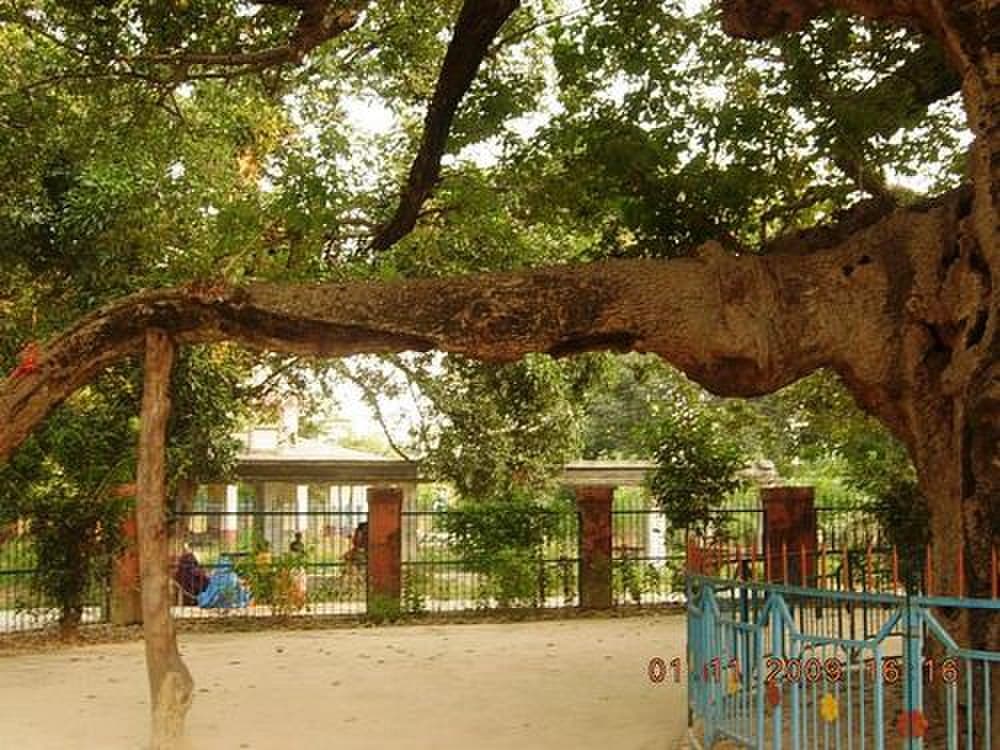
Kalpavriksha, Joshimath, Uttarakhand, India: A Journey to the Mythical Tree of Life
Nestled amidst the towering peaks of the Himalayas in the Garhwal region of Uttarakhand, India, lies the sacred town of Joshimath. Renowned as the winter abode of Lord Shiva, Joshimath is also home to a revered ancient tree, the Kalpavriksha, also known as the Kalpatru. This mulberry tree, believed to be over 1200 years old, holds immense significance in Hindu mythology and is a major pilgrimage site.
Mythological Significance
The Kalpavriksha, meaning "tree of desires" or "wish-fulfilling tree," is deeply rooted in Hindu mythology. It is said to have emerged during the churning of the ocean of milk (Samudra Manthan), a cosmic event involving the gods and demons. Legend has it that the tree possesses the divine power to grant wishes and bestow blessings upon those who seek its benevolence.
Religious Importance
The Kalpavriksha is revered as a sacred symbol of life, abundance, and fulfillment. It is believed that the tree's longevity and evergreen nature are testaments to its divine connection. Devotees from all over India flock to Joshimath to circumambulate the tree, offer prayers, and seek its blessings.
Spiritual Significance
The Kalpavriksha is not just a physical entity; it is also a symbol of spiritual enlightenment and inner transformation. The tree's expansive branches and deep roots represent the vastness of the universe and the interconnectedness of all beings. Pilgrims often meditate under the Kalpavriksha, seeking spiritual guidance and seeking to connect with their higher selves.
Visiting the Kalpavriksha
The Kalpavriksha is located within the premises of the Jyoteshwar Mahadev Temple, a shrine dedicated to Lord Shiva. To reach the tree, visitors must ascend a flight of stairs, passing by the Bhavishya Kedar Temple, a small sanctuary housing a Shivalinga. The area surrounding the Kalpavriksha exudes a serene and tranquil atmosphere, making it an ideal spot for meditation and contemplation.
Pilgrimage Season
The best time to visit the Kalpavriksha is during the summer months, from April to June, when the weather is pleasant and the pilgrimage season is in full swing. However, the tree can be visited throughout the year, as it remains evergreen and accessible even during the winter months.
Accommodation and Travel
Joshimath offers a range of accommodation options to suit all budgets, from budget-friendly guesthouses to comfortable hotels. The town is well-connected by road to major cities in Uttarakhand, including Haridwar, Rishikesh, and Dehradun. Regular bus services and shared taxis are available for convenient travel.
Tips for Visitors
- Dress modestly and respectfully when visiting the Kalpavriksha and other religious sites.
- Remove footwear before entering the temple premises.
- Maintain silence and refrain from disturbing other devotees.
- Be mindful of the environment and avoid littering.
- Respect local customs and traditions.
Conclusion
A visit to the Kalpavriksha in Joshimath is not just a pilgrimage; it is a journey of spiritual exploration and connection with nature. The tree's ancient presence and enduring symbolism serve as a reminder of the profound power of faith, the interconnectedness of all beings, and the potential for inner transformation.