
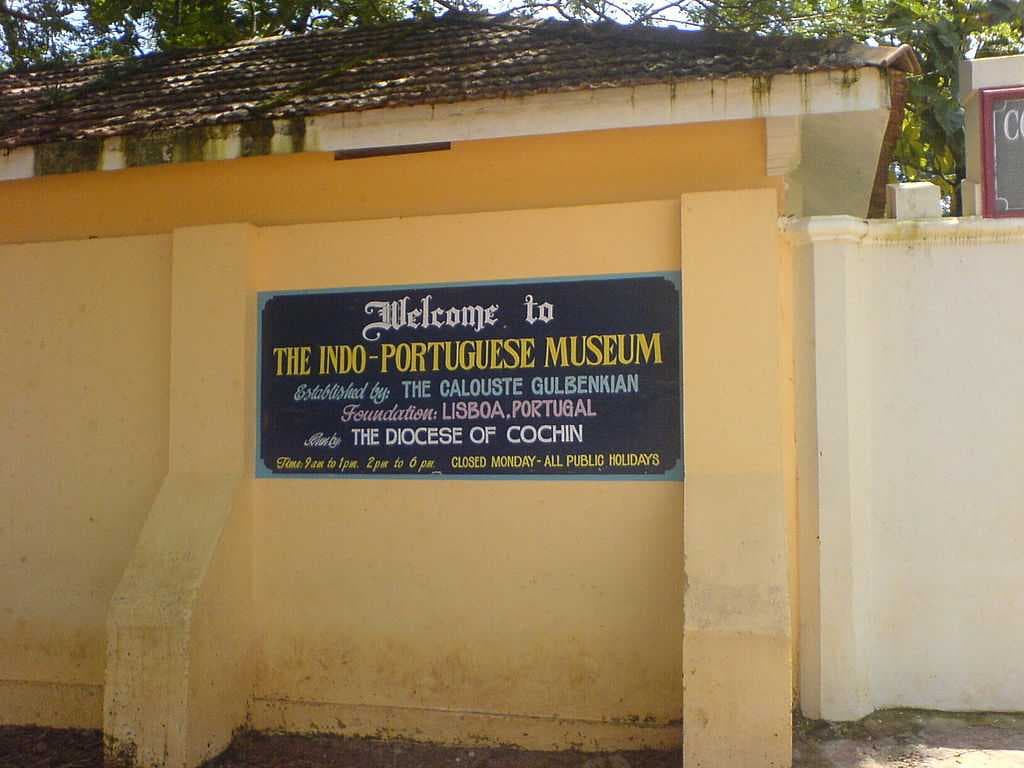
The Indo-Portuguese Museum is a haven for history enthusiasts and anyone wanting to delve deeper into the cultural tapestry of Fort Kochi, Kerala, India. Established in 2000 by the late Dr. Joseph Kureethra, Bishop of Kochi, the museum showcases the profound influence the Portuguese had on the region’s art, architecture, and religious traditions.
The museum’s collection is housed within the Bishop’s House compound, a building that itself dates back to 1506 and once served as the residence of the Portuguese governor. Stepping into the museum grounds, you’ll be greeted by a simple, functional structure that complements the historic ambiance.
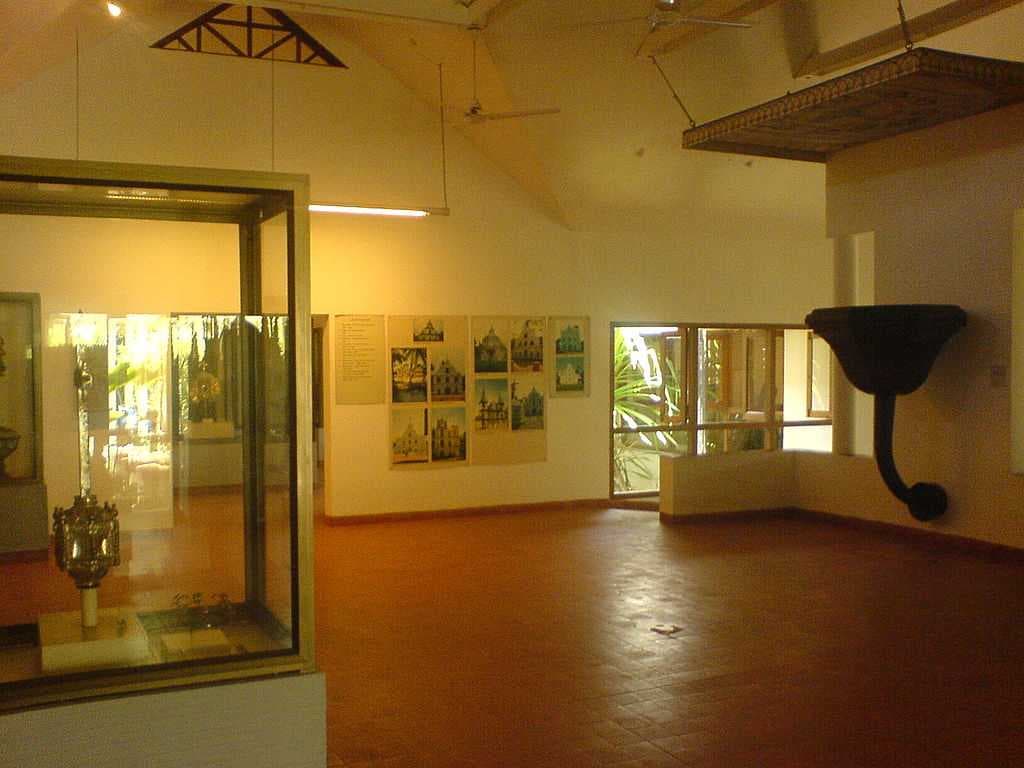
Inside the museum, you’ll find a treasure trove of artifacts meticulously categorized into five main sections: Altar, Treasure, Procession, Civil Life, and Cathedral.
Altar: Here, you’ll be awestruck by a 16th-century teak altar piece, a captivating testament to the craftsmanship of the era. This piece was originally housed at the Church of Our Lady of Hope in Vypeen.
Treasure: This section displays a fascinating collection of religious objects, offering a glimpse into the grandeur of bygone eras. Look out for the 19th-century chasuble from the Bishop’s House, a beautiful liturgical vestment used by priests during mass.
Procession: Religious processions are a vibrant part of Kerala’s cultural life, and this section brings them to life with artifacts like the 17th-century processional cross, a mesmerizing creation crafted from a combination of silver and wood. The cross hails from the Santa Cruz Cathedral, a prominent landmark in Fort Kochi.
Civil Life: Delve into the everyday lives of people during the Portuguese era in this section. Here, you’ll find interesting objects that shed light on the social customs and traditions of the time.
Cathedral: Dedicated to the Santa Cruz Cathedral, this section showcases objects specifically related to the cathedral, further enriching your understanding of its significance.
The Indo-Portugese Museum may not be a large museum, but the artifacts on display hold immense value. They offer a captivating window into the unique blend of Portuguese and Indian cultures that continues to shape Kochi’s identity even today.