
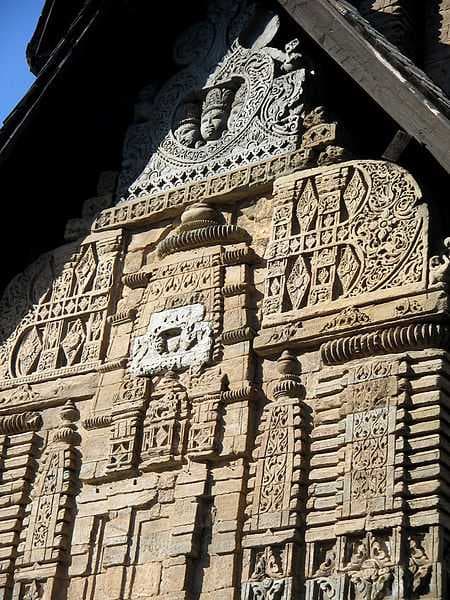
The Hari Rai Temple is an ancient Hindu temple dedicated to Lord Vishnu, located in Chamba, Himachal Pradesh, India. It is believed to have been built in the 11th century by Raja Sahalavarman. The temple is situated near the Chaugan Gate, in the heart of Chamba town.
The temple is built in the Shikhara style of architecture, which is characterized by its tall, pyramidal tower. The temple is made of stone and wood, and is adorned with intricate carvings. The main idol in the temple is a four-armed statue of Lord Vishnu, made of metal. The statue is adorned with rings, amulets, necklaces, and kundals.
The temple also houses several other deities, including Lord Shiva, Lord Surya, and Goddess Parvati. The temple is a popular pilgrimage destination for Hindus, and is also visited by tourists for its historical and architectural significance.
Here's a breakdown of what you can expect to see during your visit to the Hari Rai Temple:
- The Shikhara - The temple's towering Shikhara is a sight to behold. The intricate carvings on the Shikhara are a testament to the skill of the craftsmen who built the temple. Hari Rai Temple Shikhara, Chamba
- The Main Idol - The four-armed statue of Lord Vishnu is the main attraction of the temple. The statue is adorned with precious stones and jewelry, and is a beautiful example of metal sculpture. Hari Rai Temple Main Idol, Chamba
- Other Deities - The temple also houses several other deities, including Lord Shiva, Lord Surya, and Goddess Parvati. These statues are also worth seeing for their intricate details and craftsmanship.
- The Surroundings - The temple is located in a serene setting, surrounded by trees and hills. The atmosphere is peaceful and tranquil, making it a great place to relax and reflect.
Here are some additional tips for your visit to the Hari Rai Temple:
- The temple is open from 10 AM to 5 PM.
- There is no entry fee to visit the temple.
- Dress modestly when visiting the temple.
- Photography is allowed inside the temple.
- It is recommended to remove your shoes before entering the temple sanctum.