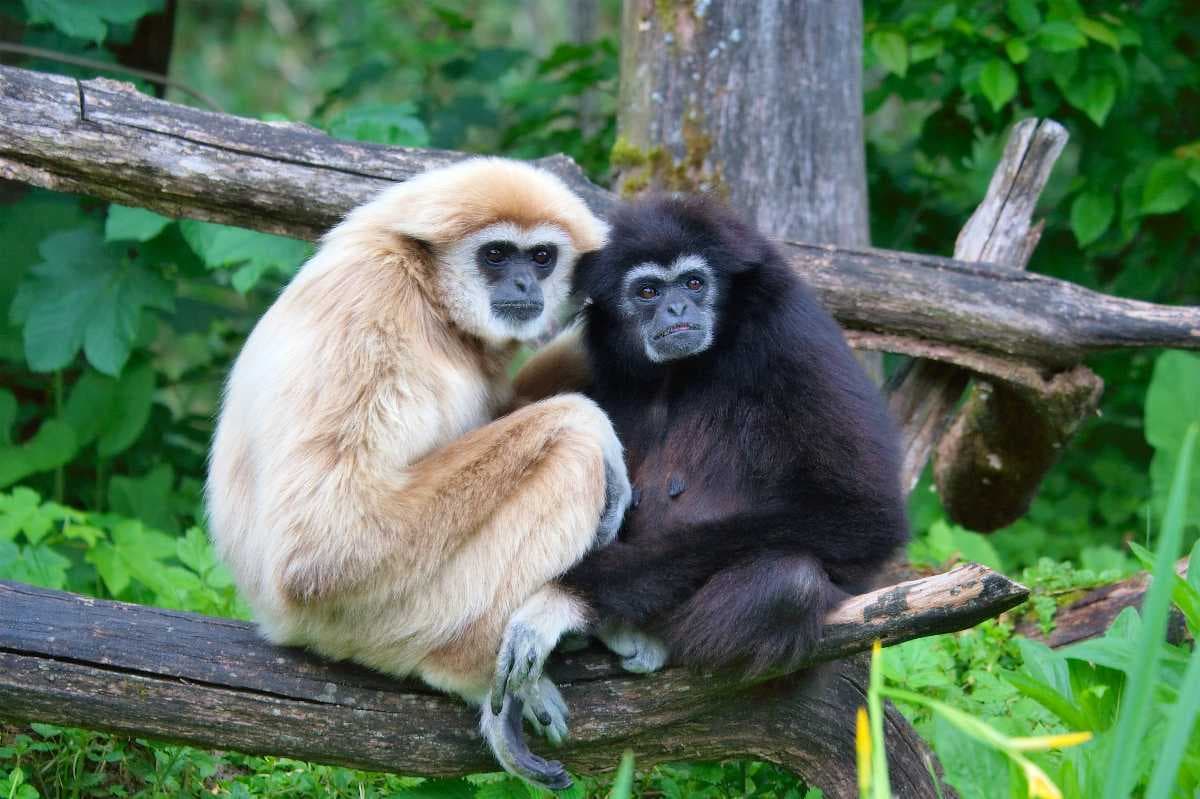
The Gibbon Rehabilitation Project (GRP) in Phuket, Thailand, is a vital conservation effort dedicated to rescuing and rehabilitating gibbons that have been victims of the illegal pet trade.
Purpose and Mission:
- The GRP's primary goal is to rehabilitate white-handed gibbons and, when possible, release them back into their natural habitat.
- They also strive to raise awareness about the plight of these endangered primates and to combat the illegal trade that threatens their survival.
- A large part of there mission is to educate the public, and to stop the demand for gibbons as pets, or tourist attractions.
Location and Setting:
- The project is located within the Khao Phra Thaeo National Park, near the Bang Pae Waterfall. This provides a natural environment for the gibbons.
- The setting is in a forested area, which is important for the rehabilitation process.
What Visitors Can Expect:
- Visitors can observe the gibbons in their enclosures. It's important to note that the gibbons are not to be touched or fed. This is to minimize human contact and aid in their rehabilitation.
- Information is provided about the project's work, the gibbons' behavior, and the dangers they face.
- The project emphasizes observation from a distance, respecting the gibbons' need for a semi-wild environment.
- There is usually information available in both Thai, and English.
- There is a location where people can purchase souviners, where the proceeds go to the rehabilitation of the gibbons.
- Visitors will need to pay the national park entrance fee, to enter the area where the GRP is located.
Key Aspects of the Project:
- The rehabilitation process involves a series of stages, including quarantine, observation, and gradual reintroduction to a natural environment.
- The project works to recreate the gibbons' natural social structures, which is crucial for their successful release.
- The GRP faces challenges, including the long-term effects of captivity on the gibbons and the ongoing threat of poaching.
- The project also provides education to the local community, about the importance of conservation.
The Gibbon Rehabilitation Project offers a valuable opportunity to learn about these fascinating primates and support their conservation.