
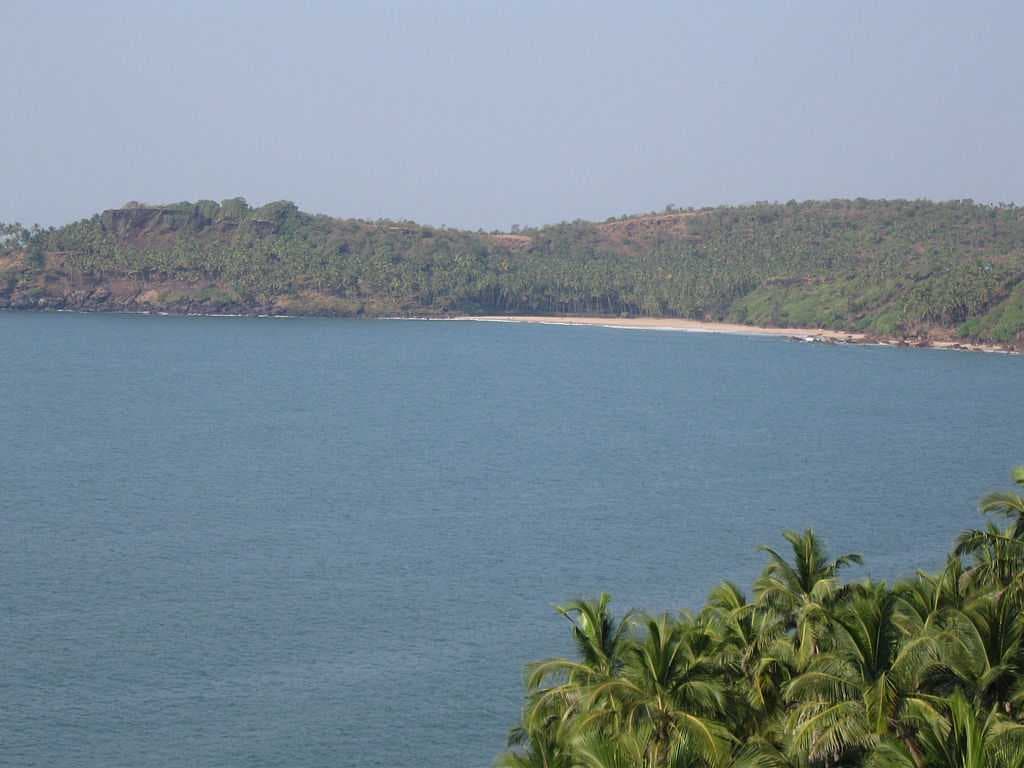
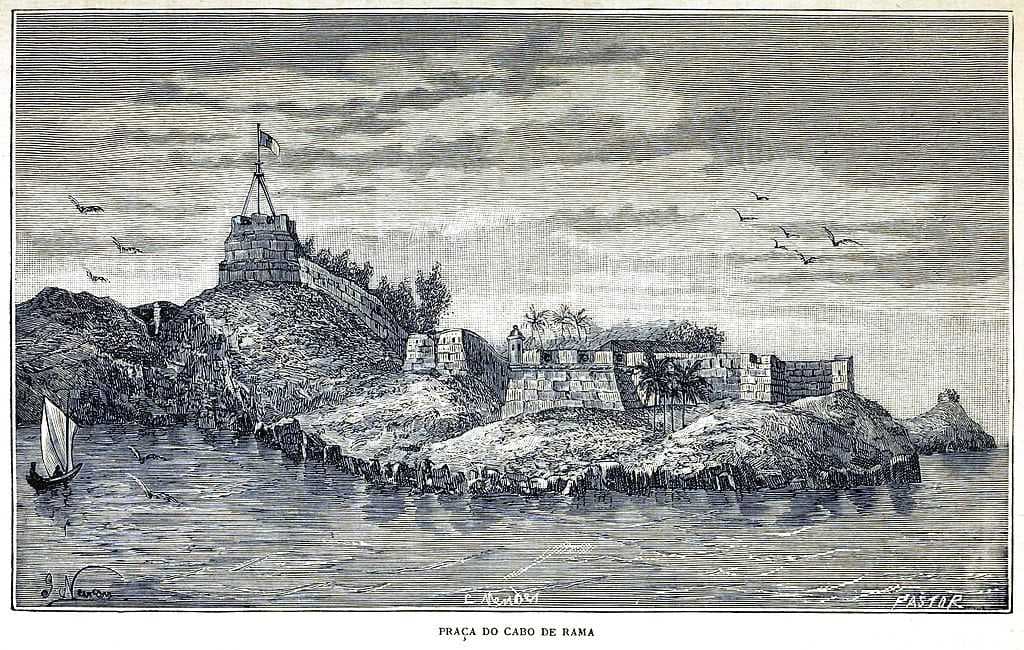
Cabo de Rama Fort, perched dramatically on a promontory overlooking the Arabian Sea in Goa, India, is a captivating blend of history, natural beauty, and breathtaking views. This fort, with its layered past reflecting the changing tides of power in Goa, offers a compelling glimpse into the region's rich heritage.
History and Significance:
Cabo de Rama's history stretches back centuries, long before the arrival of the Portuguese. It is believed that the site was originally fortified by Hindu rulers. Later, the fort changed hands, passing through the control of various empires, including the Vijayanagar Empire and the Bahmani Sultanate, before finally coming under Portuguese rule in the 17th century.
The Portuguese recognized the strategic importance of Cabo de Rama, strengthening and expanding the fort to enhance its defensive capabilities. Its location provided a commanding view of the coastline, allowing them to monitor maritime activity and protect their trade routes. The fort also played a role in various conflicts, serving as a vital stronghold for the Portuguese.
Architectural Features:
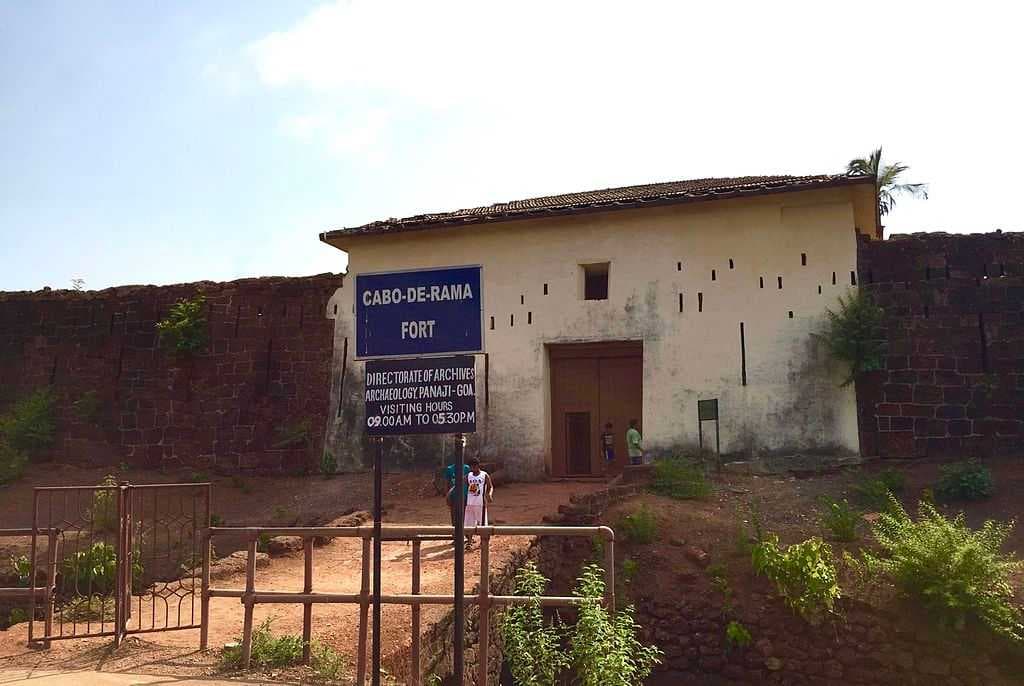
Cabo de Rama Fort's architecture reflects its varied history, incorporating elements from different periods. The fort's walls, constructed from laterite stone, are robust and imposing, testament to its military purpose. While much of the original Hindu and Muslim fortifications have been absorbed into the later Portuguese structure, traces of earlier architectural styles can still be discerned.
The fort features several bastions, strategically positioned to offer a wide field of fire and defend against attacks from various directions. Cannons, remnants of the fort's military past, are still visible on some of the bastions, adding to the fort's historical charm.
Inside the fort, one can find the ruins of various structures, including barracks, storehouses, and a small chapel. These remnants offer a glimpse into the daily life of the soldiers who once garrisoned the fort. A particularly striking feature is the well within the fort, a crucial source of water during sieges.
Present Day:
Today, Cabo de Rama Fort stands as a protected monument, a reminder of Goa's fascinating past. While much of the fort is in ruins, its imposing walls and strategic layout still evoke a sense of its former grandeur. The fort's dramatic location, perched on a cliff overlooking the Arabian Sea, makes it a popular destination for tourists and history enthusiasts.
Visitors can explore the fort's exterior, walking along the ramparts and taking in the panoramic views of the coastline. The fort offers stunning vistas of the sea, the surrounding beaches, and the lush Goan landscape. The serene atmosphere and the historical significance of the site create a unique and memorable experience.
Visiting Cabo de Rama Fort:
Cabo de Rama Fort is located in South Goa, near the village of Canacona. It can be easily reached by road, and there is parking available near the fort. The fort is open to visitors during daylight hours. There is no entry fee.
A visit to Cabo de Rama Fort offers a unique opportunity to explore Goa's rich history and enjoy its natural beauty. The fort's imposing architecture, strategic location, and breathtaking views make it a must-visit destination for those interested in exploring the region's cultural heritage.