
Delving into History: The Ben Dinh Tunnels, Ho Chi Minh City
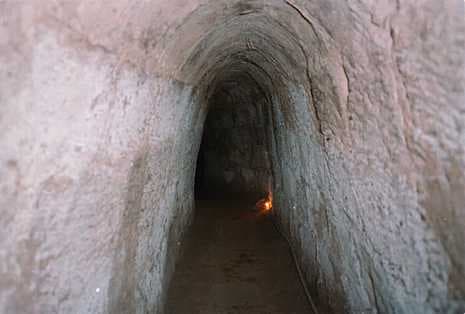
The Ben Dinh Tunnels, located about 50 kilometers northwest of Ho Chi Minh City, are a captivating relic of the Vietnam War. This sprawling network of underground tunnels, dug by the Viet Cong, offers a firsthand look into the ingenuity and determination of Vietnamese resistance fighters.
A Journey Underground:
Exploring the Tunnels: Prepare for a unique experience. You'll descend into a section of the tunnel system, albeit a section widened for visitors. The tunnels were originally narrow and cramped, offering a glimpse into the difficult conditions endured by the Viet Cong.
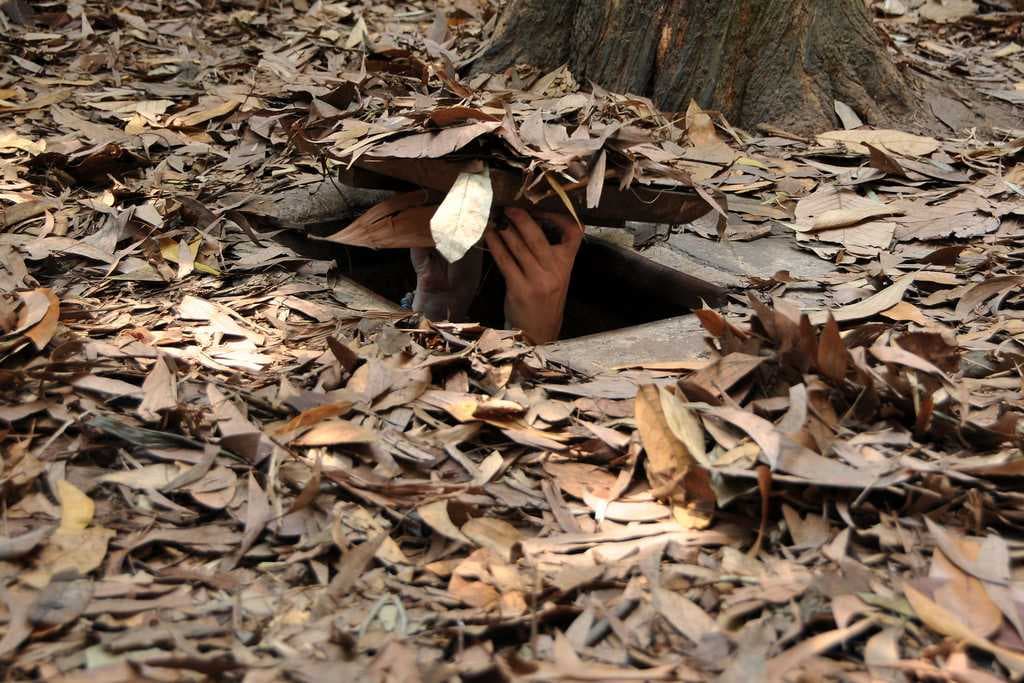
Life Underground: Discover how the Viet Cong lived, fought, and even hid from enemy forces within this intricate network. Replica booby traps, kitchens, living quarters, and command centers showcase the resourcefulness of the Viet Cong.
Witnessing History: Learn about the role the tunnels played in the war, particularly during the Tet Offensive of 1968. Exhibits and informative guides will shed light on the strategic importance of this underground network.
Beyond the Tunnels:
War Relics: The Ben Dinh Tunnels complex often features displays of wartime artifacts, including weapons, communication equipment, and uniforms. This adds context to your understanding of the conflict.
Shooting Range (Optional): For a different perspective (though not historically related to the tunnels), some sites offer optional shooting ranges where you can fire replica weapons used during the war.
Tips for your visit:
- Wear comfortable shoes suitable for uneven terrain.
- Bring water, as it can get warm and humid underground.
- Long pants and long sleeves are recommended to protect from mosquitos and brushing against foliage.
- Be mindful of your head when navigating the tunnels, especially if you're on the taller side.
The Ben Dinh Tunnels provide a powerful and thought-provoking experience. It's a chance to connect with the complexities of the Vietnam War and appreciate the resourcefulness of the Vietnamese people.