


Nestled in the Hassan district of Karnataka, India, lie the twin towns of Belur and Halebidu, jewels that sparkle with the brilliance of the Hoysala era. These historically significant towns, cradled by the Yagachi River, are a must-visit for anyone seeking a deep dive into India's architectural heritage and spiritual tapestry.
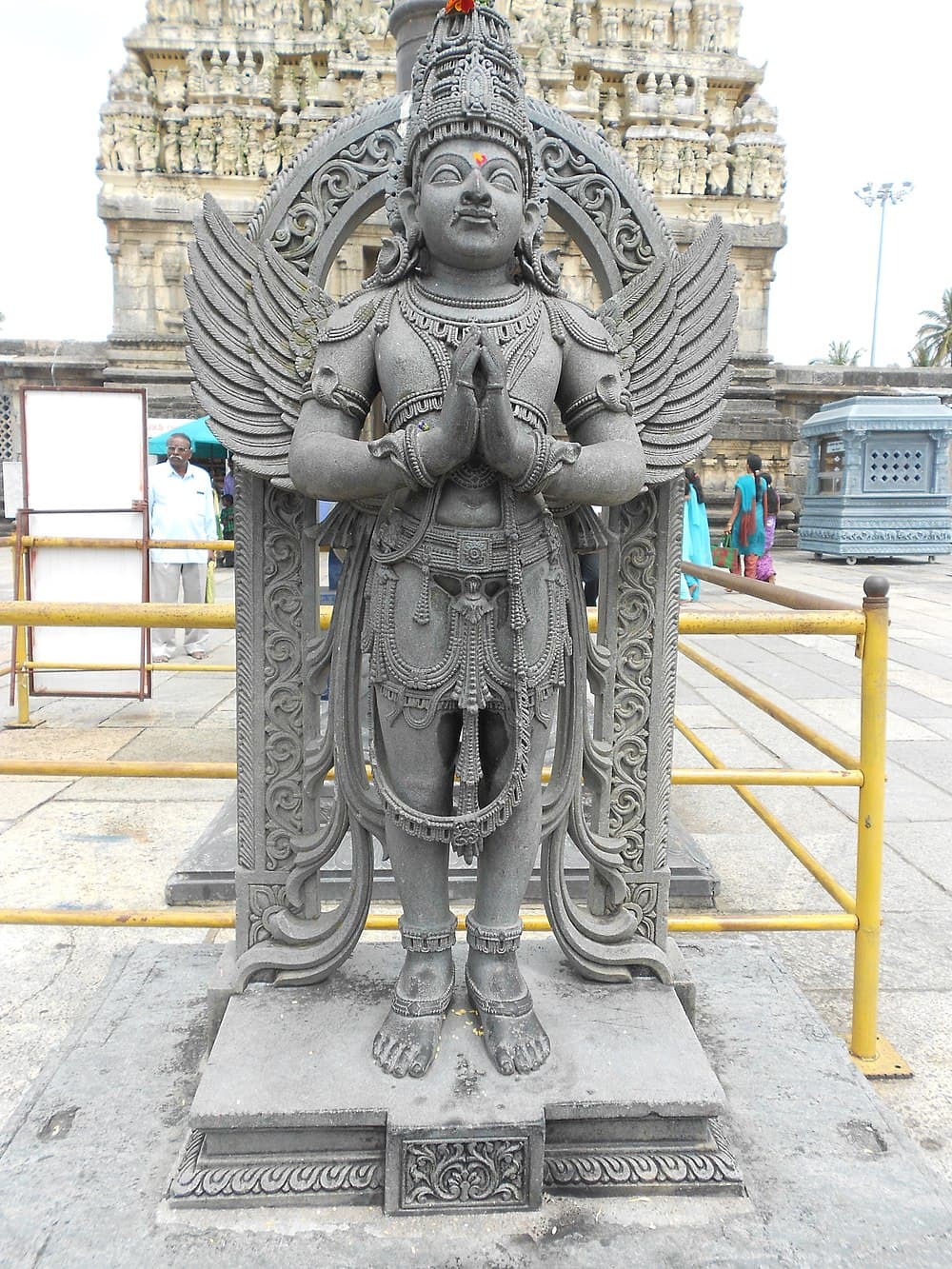
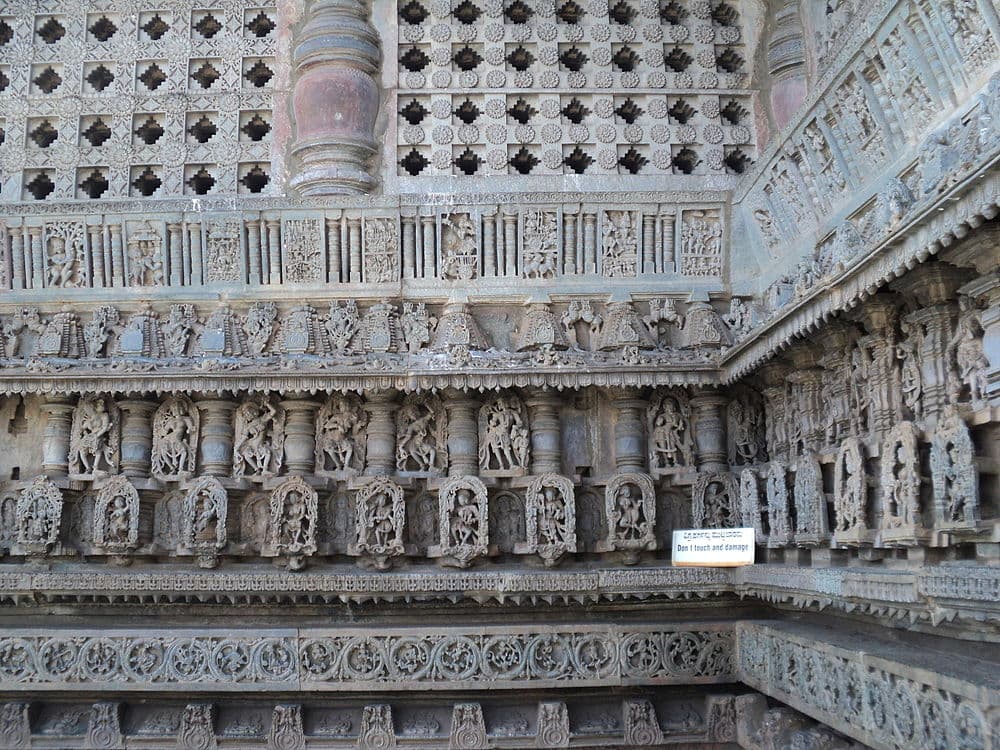
Belur, the smaller of the two, is famed for the Chennakeshava Temple, a masterpiece crafted from soapstone. This architectural marvel took over 100 years to complete and stuns visitors with its intricate carvings that depict scenes from Hindu mythology, depicting stories from the Bhagavad Gita, Ramayana, and Mahabharata. The friezes that adorn the temple walls are a testament to the craftsmanship of the Hoysala artisans.
Just 17 kilometers away, Halebidu, which translates to "old city" in Kannada, served as the capital of the Hoysala dynasty for over 150 years. The town's crown jewel is the Hoysaleswara Temple, a massive complex dedicated to Lord Shiva. The temple complex is a visual symphony of intricate carvings, friezes, and sculptures that tell stories of gods, demons, and mythical creatures. The sheer scale and artistry leave visitors spellbound.
Both Belur and Halebidu offer a glimpse into a bygone era, where artistry and devotion melded seamlessly to create architectural wonders. These towns are a photographer's paradise, with every corner presenting a unique frame begging to be captured.
Here are some additional tips for planning your visit to Belur and Halebidu:
- The best time to visit is between October and March, when the weather is pleasant.
- Comfortable shoes are recommended, as you'll be doing a fair amount of walking.
- Since these are temple towns, dress modestly. Knees and shoulders should be covered.
- Photography is allowed within the temple complex, but avoid using flash inside the shrines.
- Consider hiring a guide to gain deeper insights into the history and mythology depicted in the carvings.
Belur and Halebidu promise a captivating journey through time, offering a glimpse into the heart of the Hoysala dynasty and the enduring legacy of Indian art and architecture.