
Stepping Back in Time at Ban Vichayen, Lopburi
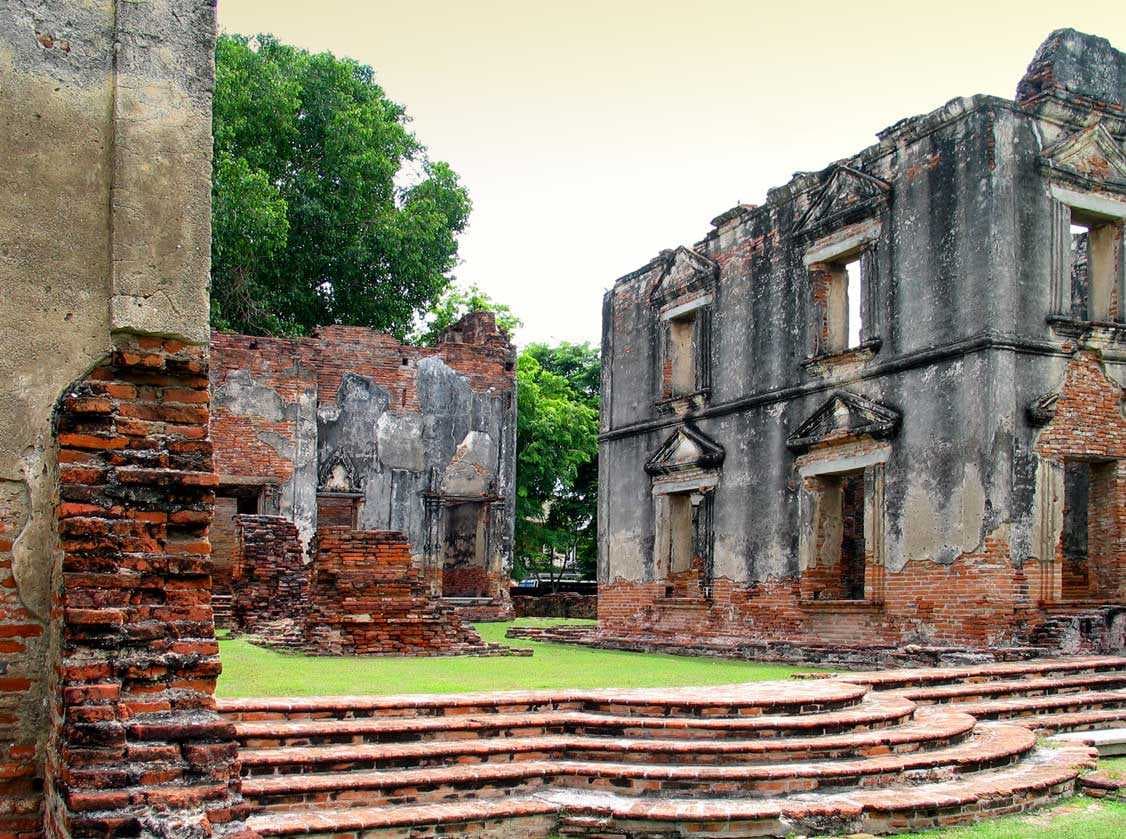
Nestled within the historical town of Lopburi, Thailand, lies Ban Vichayen, a captivating glimpse into the past. Built by King Narai the Great in the 17th century, this complex served as the residence for Chevalier Chaumont, the French ambassador.
The remnants tell a story of cultural exchange, with a unique blend of Renaissance and Thai architectural styles.
Here's what you can expect at Ban Vichayen:
- Architectural Intrigue: Explore the ruins of the ambassador's residence, a grand two-story structure built from bricks. Look out for details like the arched entrance and the remnants of what may have been a bell tower.
- A Fusion of Styles: Marvel at the unique blend of European and Thai design influences. This fusion reflects the close relationship Thailand had with the West during King Narai's reign.
- A Historical Site: Ban Vichayen is not just an architectural marvel, it's also a significant historical site. This was the location where Constance Phaulkon, a Greek advisor to the king, was arrested before his execution.
Visiting Ban Vichayen is a great way to spend an afternoon in Lopburi. The entrance fee is minimal, and you can easily combine your visit with nearby attractions like Wat Sao Thong Thong temple.
Here are some additional tips for your visit:
- Opening Hours: Aim to visit between 8:00 AM and 5:00 PM.
- Time Required: Allocate 30 minutes to 45 minutes to explore the ruins at a leisurely pace.
- Dress Code: There's no strict dress code, but out of respect for historical sites, it's recommended to wear clothing that covers your shoulders and knees.
Ban Vichayen offers a fascinating window into Thailand's rich history and cultural exchange. It's a perfect destination for history buffs and anyone who appreciates a unique architectural style.