
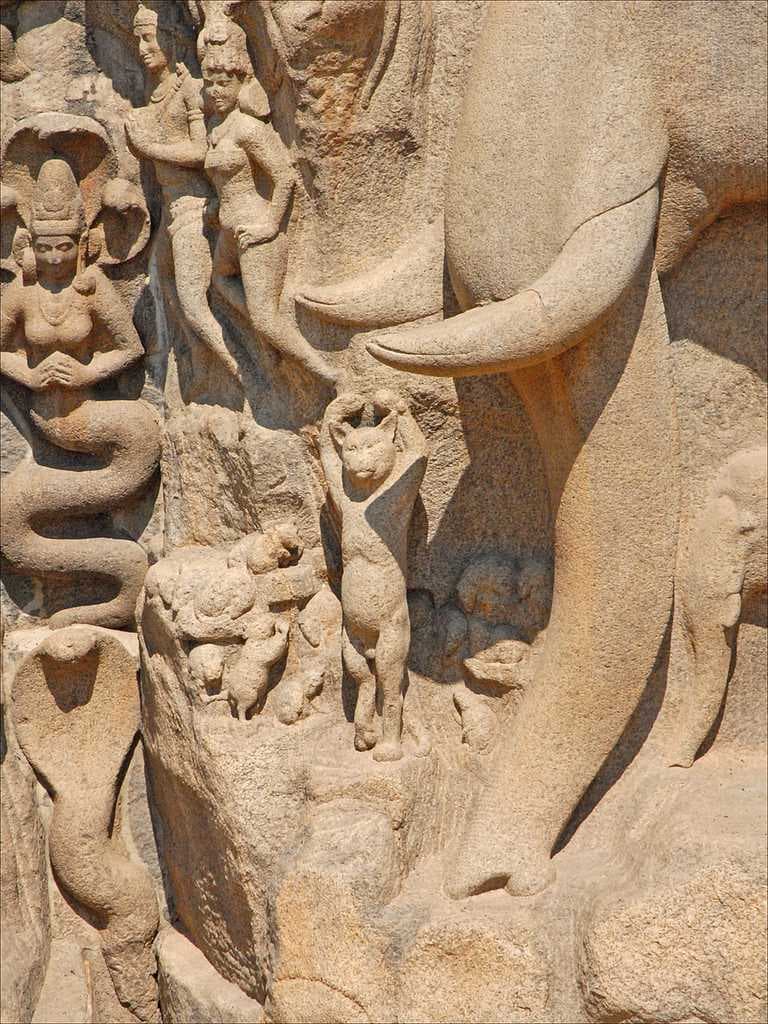
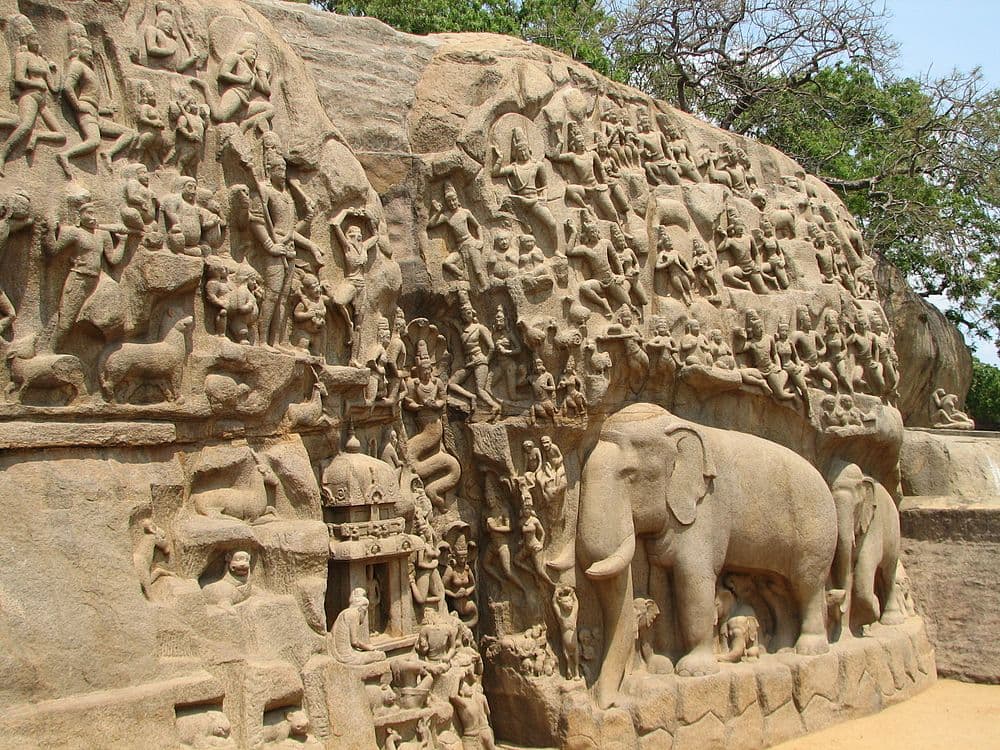
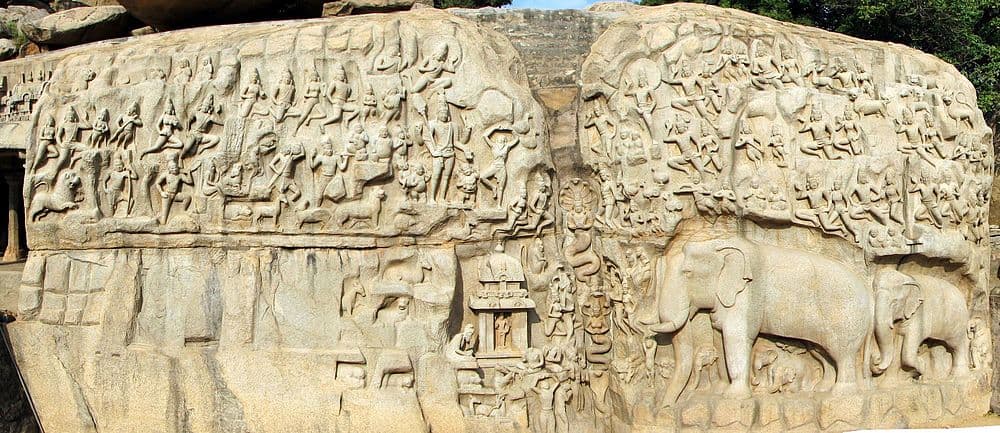
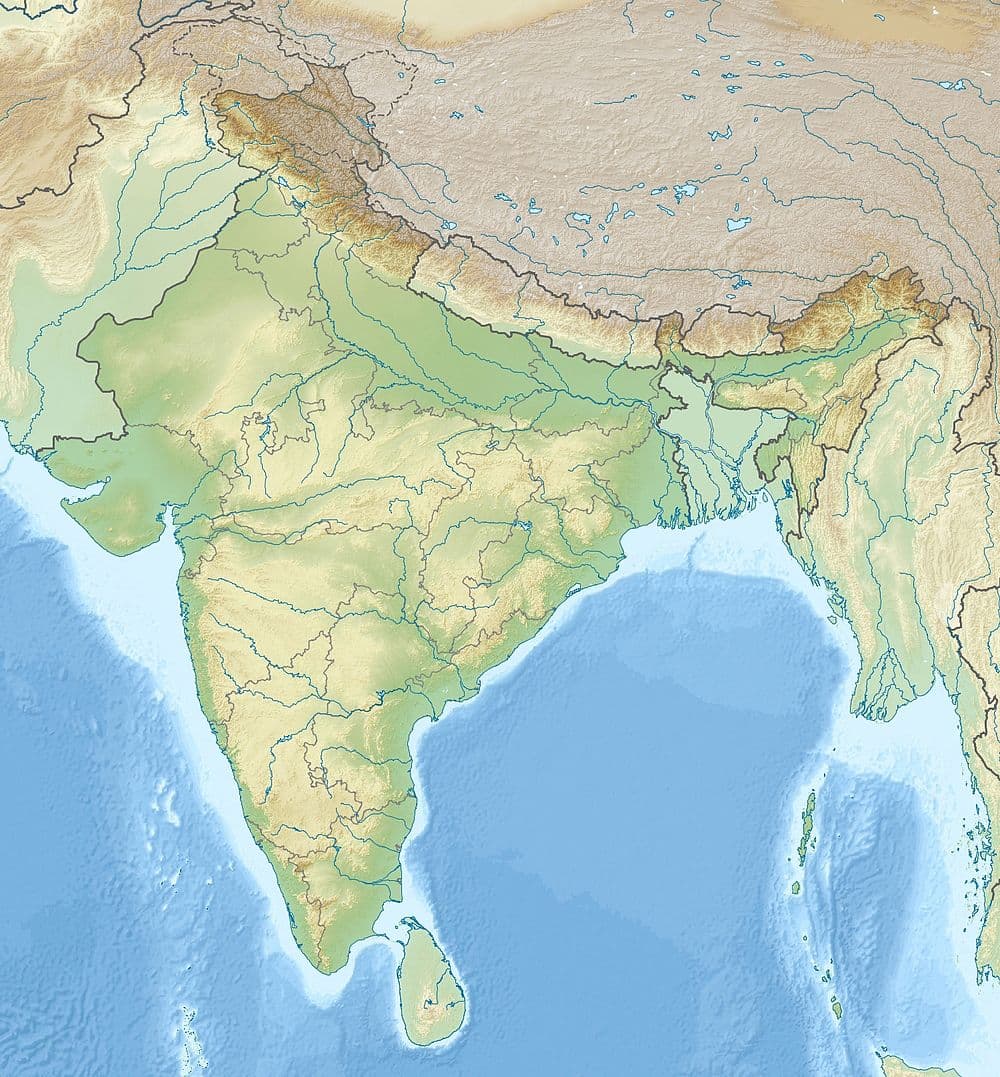
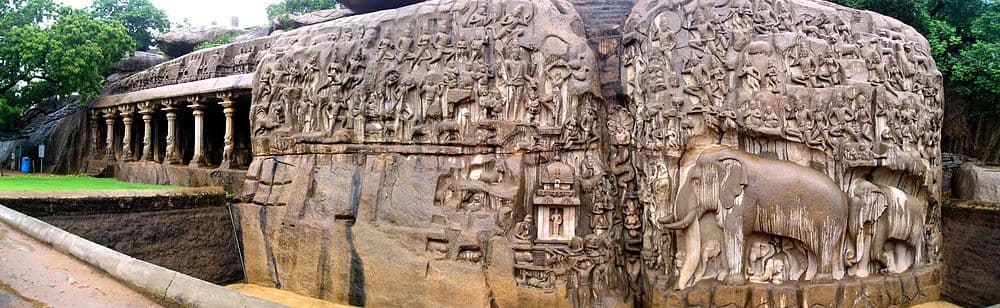
Prepare to be dwarfed by a masterpiece carved from granite boulders. Arjuna's Penance, or Descent of the Ganges, in Mahabalipuram, Tamil Nadu, is a colossal open-air bas-relief, a staggering 96 feet long and 43 feet high. Dating back to the mid-7th century, it's one of the most impressive monuments of Pallava dynasty art.
The name reflects two possible interpretations. In the Hindu epic, the Mahabharata, Arjuna, one of the Pandava brothers, performs severe penance to obtain a powerful weapon from Lord Shiva. The carvings depict various figures, some scholars believe representing this tale. Another interpretation suggests the scene portrays the descent of the holy Ganges River from heaven to earth, brought down by the king Bhagiratha's austerities.
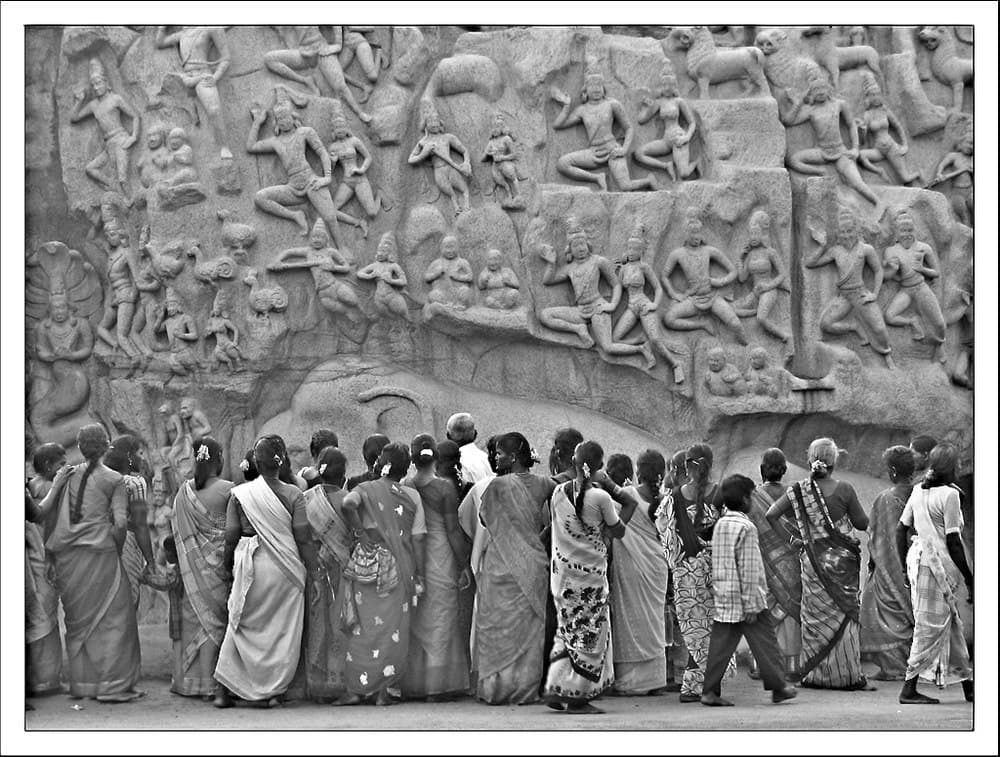
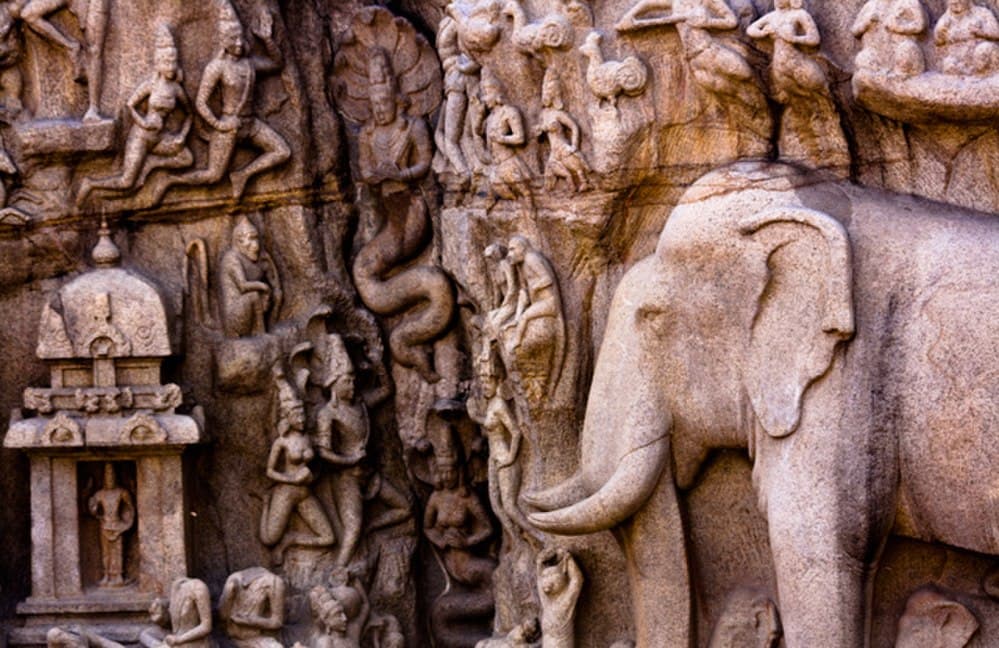
The beauty of Arjuna's Penance lies in its intricate details. The massive canvas depicts a bustling world. Hermits meditate, animals roam, mythical creatures mingle with humans, and celestial beings witness the unfolding scene. Erotic sculptures and hunting scenes add another layer of complexity. The artistry is phenomenal, with figures appearing almost three-dimensional despite being carved into the rock face.
Here are some tips to enhance your visit:
- Take your time. The sheer scale and intricate details demand close observation to appreciate the full impact.
- Consider the two interpretations. Think about the stories of Arjuna's penance and the descent of the Ganges.
- Hire a guide for deeper insights. They can explain the symbolism behind the carvings and bring the stories to life.
Arjuna's Penance is a marvel of Indian art, a testament to the sculptor's skill and the rich tapestry of Hindu mythology. It's a must-see for any traveler seeking a glimpse into India's glorious past.