
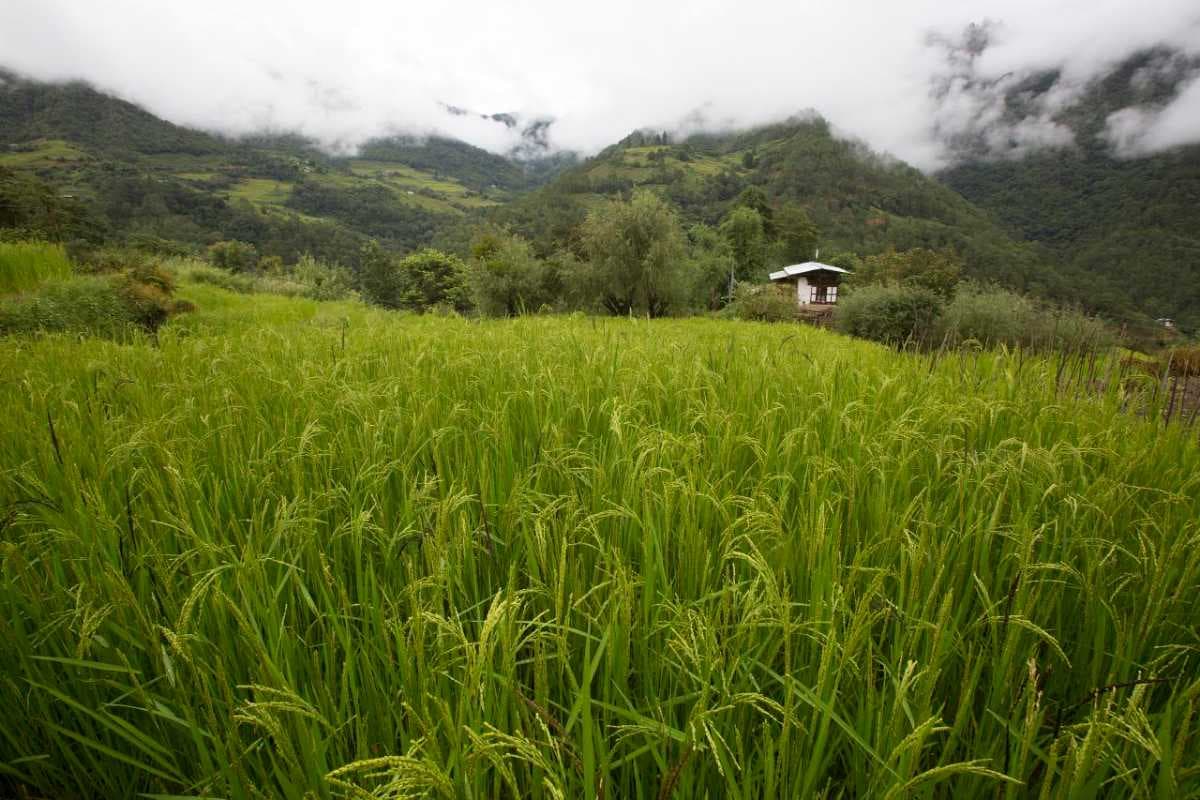
Wangdue Phodrang, nestled in the heart of Bhutan, is a tapestry woven with history, breathtaking landscapes, and vibrant culture. It's the largest district in the country, beckoning travelers with its namesake town, the majestic Wangdue Phodrang Dzong, and hidden gems waiting to be discovered.
A Town Steeped in History:
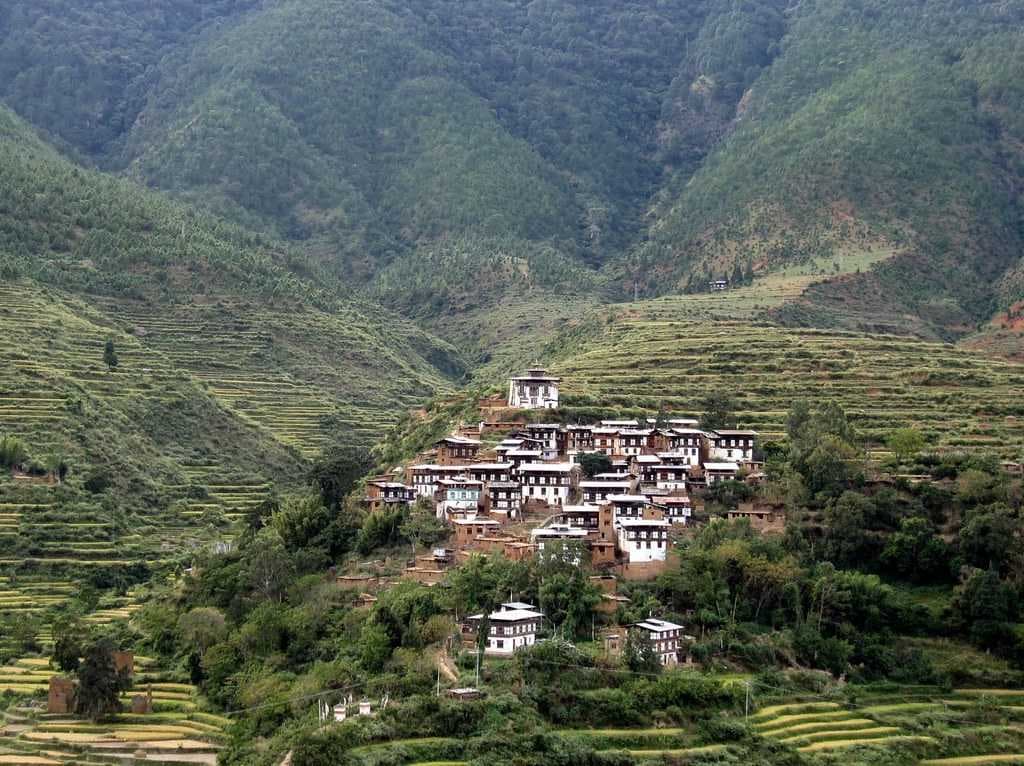
The town of Wangdue Phodrang itself exudes a charm reminiscent of a bygone era. Traditional Bhutanese houses adorned with intricate woodwork line the streets, while prayer flags flutter in the breeze, adding pops of color against the backdrop of the Himalayas. Immerse yourself in the local culture by visiting the bustling marketplace, where you can find handcrafted souvenirs, sample authentic Bhutanese delicacies, and witness the warm smiles of the locals.
The Imposing Wangdue Phodrang Dzong:
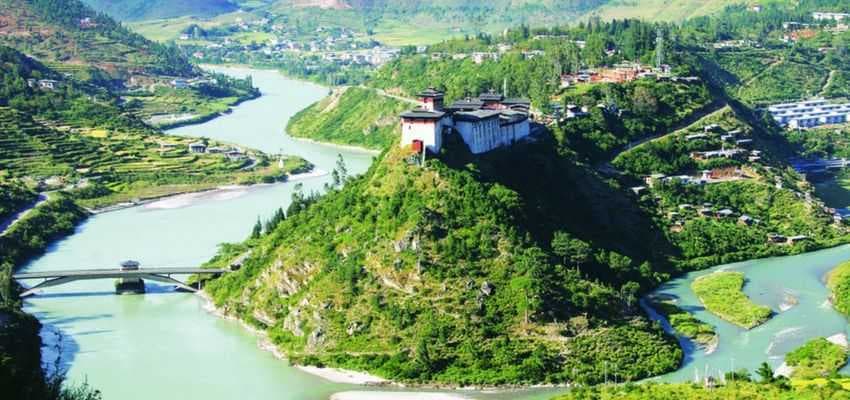
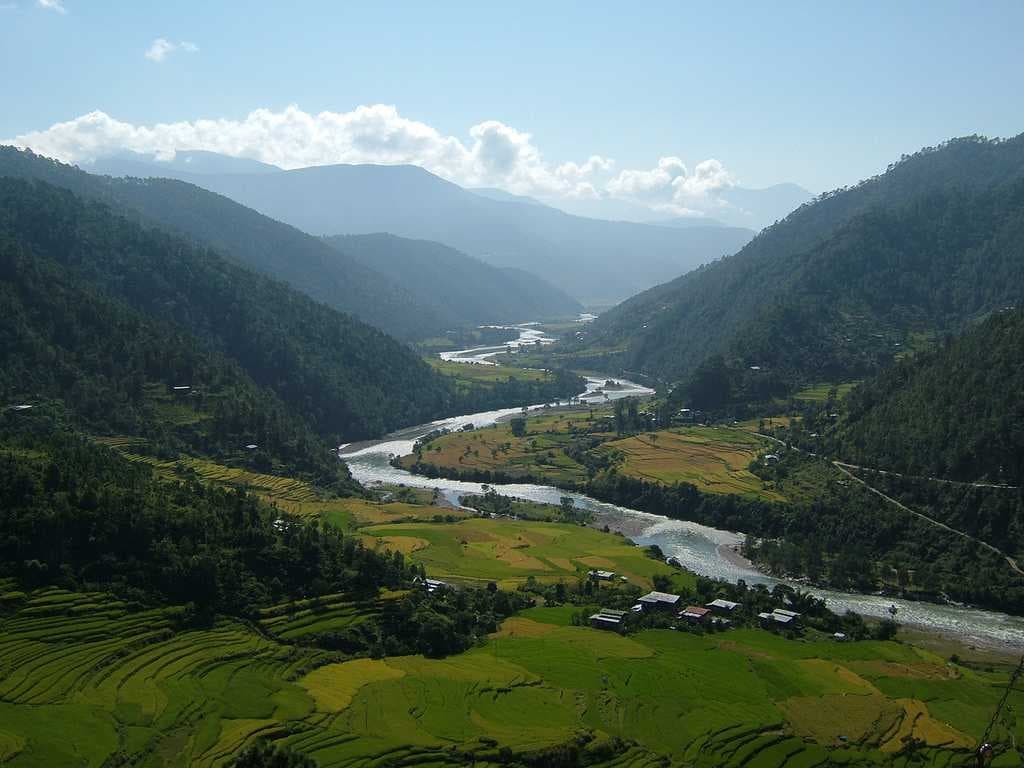
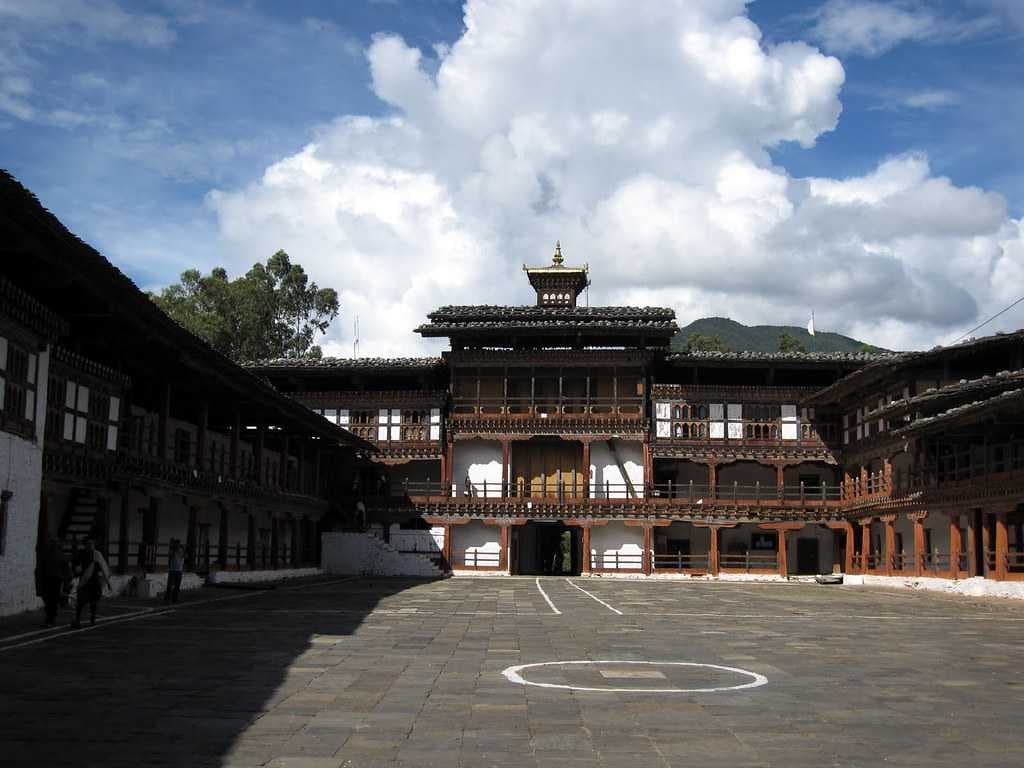
Towering over the town is the magnificent Wangdue Phodrang Dzong, a fortress-monastery perched atop a hillock at the confluence of the Punatsangchhu and Dangchhu rivers. Built in 1638, the dzong is a stunning architectural marvel, showcasing Bhutan's dzong architectural style with its whitewashed walls, sloping roofs, and intricate wooden carvings. Step inside to explore its courtyards, temples, and administrative chambers, each whispering tales of Bhutan's rich past.
Venturing Beyond the Town:
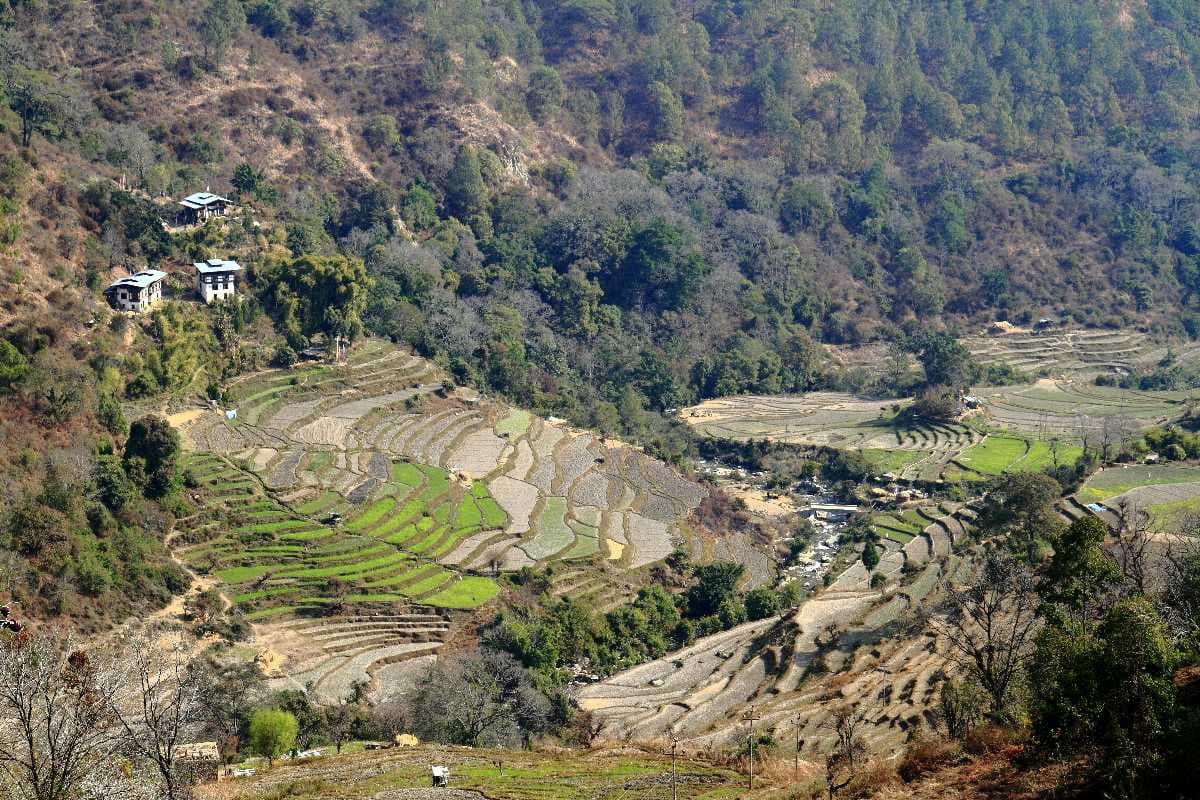
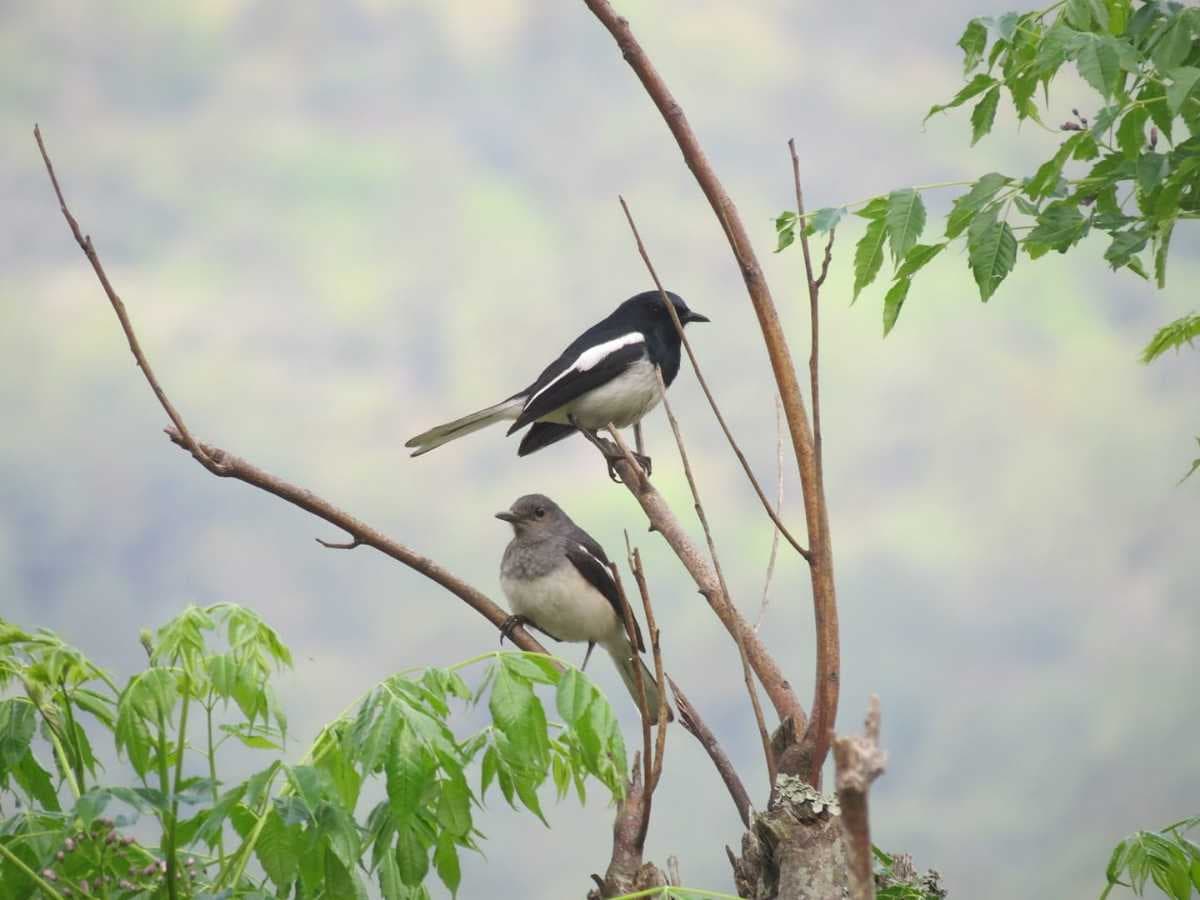
Wangdue Phodrang's beauty extends far beyond the town. Hike through the verdant Phobjikha Valley, a paradise for birdwatchers, where the endangered black-necked cranes grace the meadows during winter. Embark on a thrilling white-water rafting adventure on the Mo Chhu River, or trek to the remote Phobjikha Gewog, home to traditional wooden houses and stunning rice paddies.
Cultural Delights:
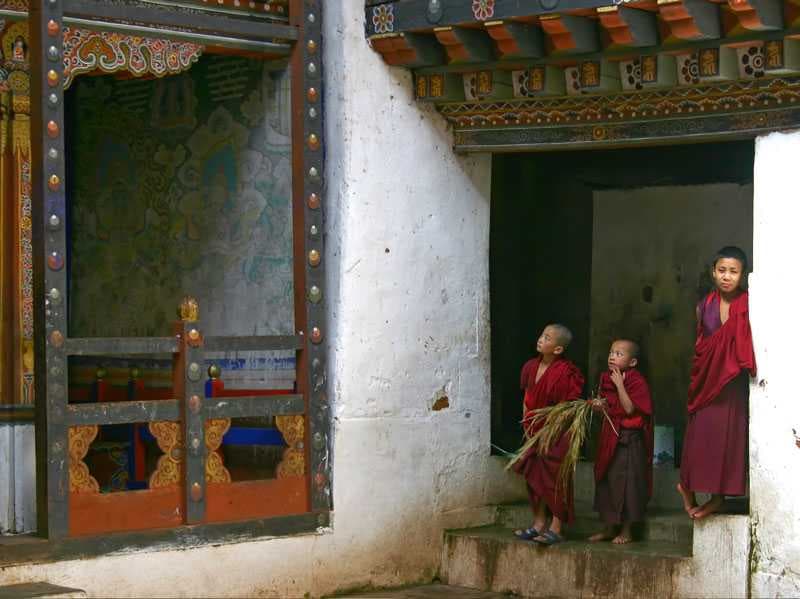
No trip to Wangdue Phodrang is complete without experiencing its vibrant culture. Witness the colorful Tshechu festival, a celebration of Bhutan's Buddhist heritage, held in October. Immerse yourself in the soulful melodies of traditional Bhutanese music, or witness the masked dances performed during religious ceremonies.
Travel Tips:
- The best time to visit Wangdue Phodrang is between October and April, when the weather is pleasant and sunny.
- A Bhutan Tourist Visa is required for all foreign visitors.
- Respect local customs and traditions, and dress modestly.
- Photography is permitted in most areas, but refrain from clicking pictures inside temples or dzongs.
Wangdue Phodrang promises an unforgettable experience, leaving you with memories that will stay with you long after you depart. So, pack your bags, lace up your hiking boots, and embark on a journey to this enchanting corner of Bhutan, where history, culture, and natural beauty come together in perfect harmony.