
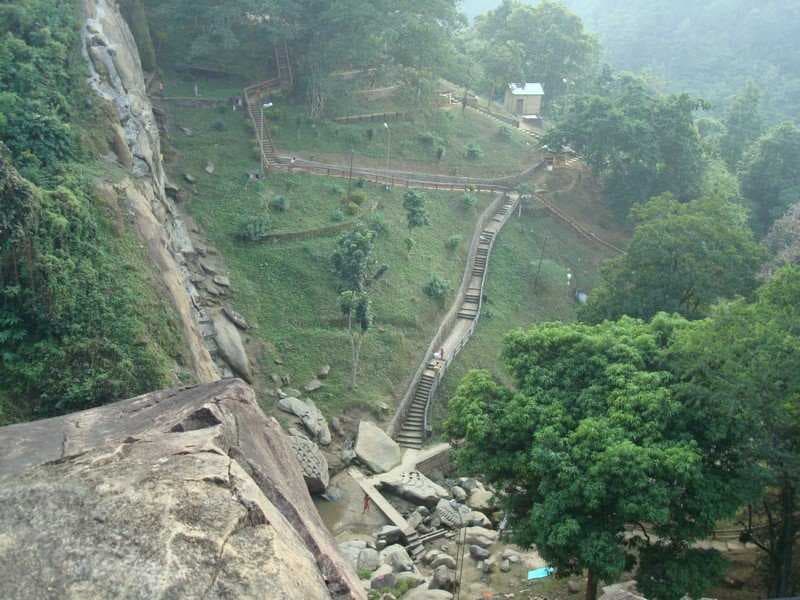
Unakoti, nestled amidst the lush hills of Tripura, India, pulsates with an ancient energy that whispers tales of gods and goddesses, intricate carvings, and breathtaking landscapes. This UNESCO World Heritage Site, literally meaning "one less than a crore" (ten million) in Bengali, beckons travelers with a unique blend of spirituality, history, and artistic wonder.
Carved from Eternity:
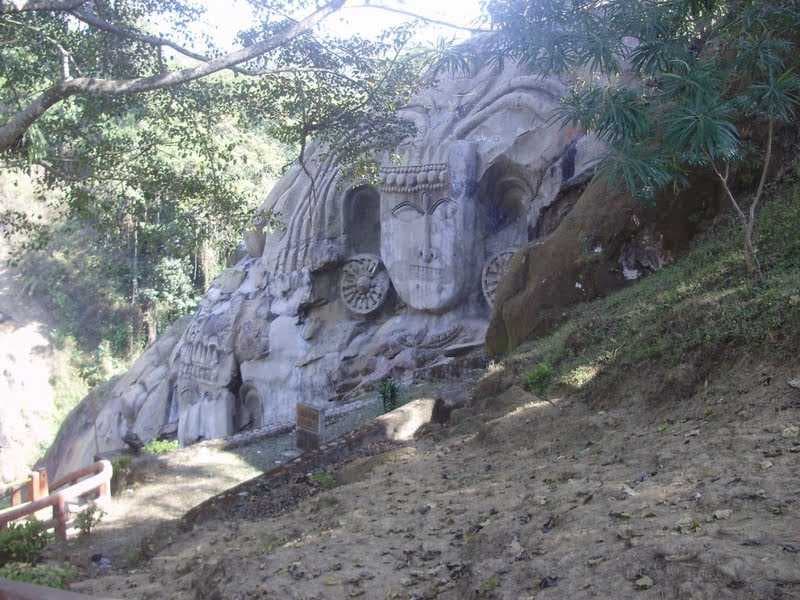
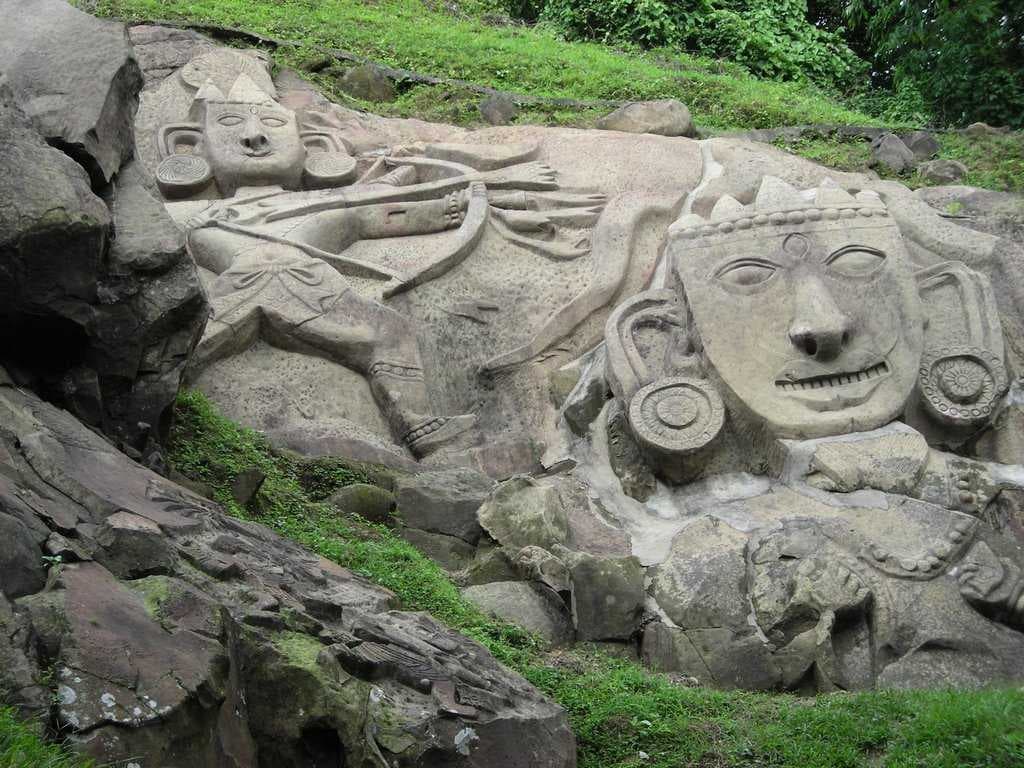
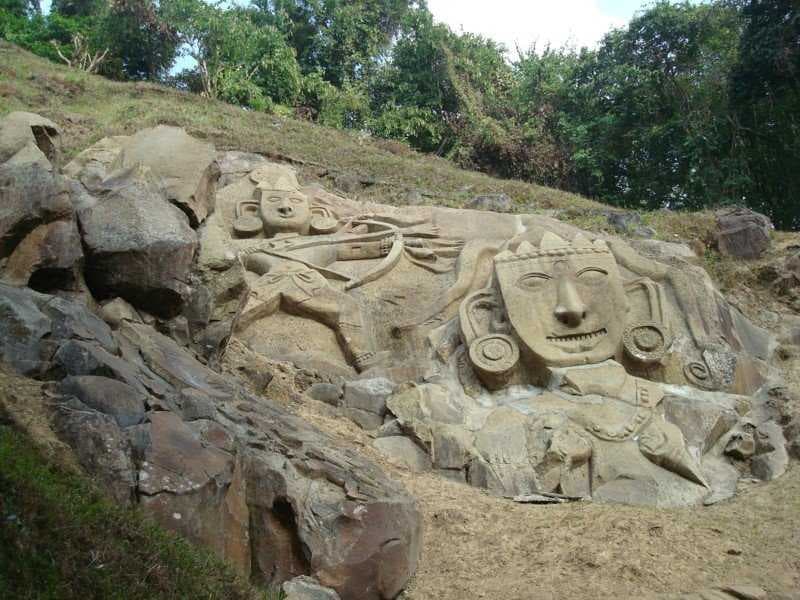
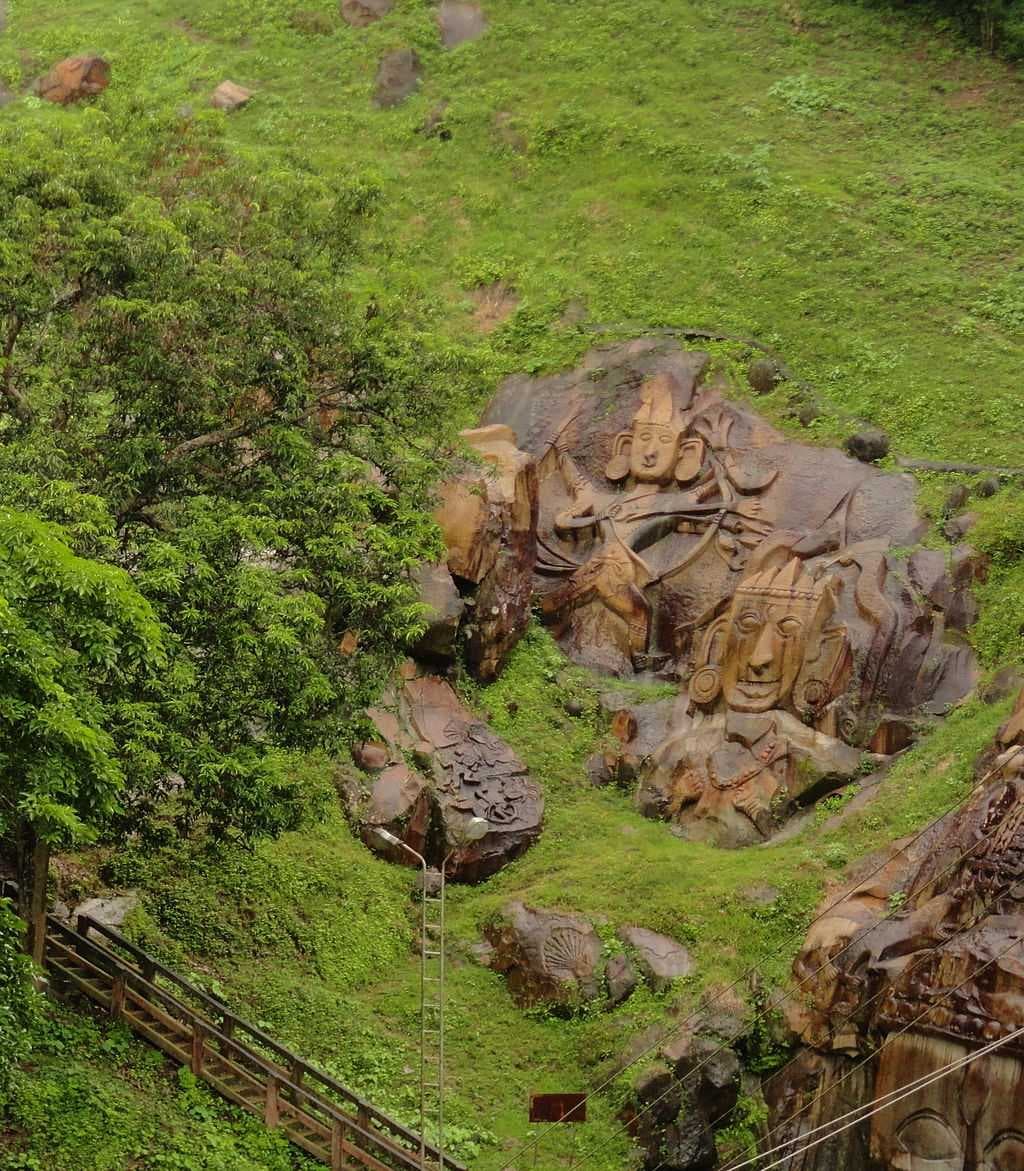
The heart of Unakoti lies in its colossal rock-cut sculptures, dating back to the 7th-9th centuries. The pièce de résistance is the 30-foot-tall Unakotiswara Bhairava, the central Shiva head adorned with an elaborate 10-foot head-dress. Flanked by two majestic female figures – Durga on a lion and another enigmatic goddess – this sculpture exudes an otherworldly presence.
Further exploration reveals a treasure trove of carvings. Witness the life-size Ganesha, guardian of the hill, and marvel at the three enormous Nandi Bulls, half-buried in the earth like slumbering giants. Each carving whispers a story, inviting you to unravel the mysteries of this ancient site.
Sacred Symphony:
Unakoti's spiritual aura transcends its stone giants. The sacred Tripurasundari Temple, dedicated to Goddess Parvati, pulsates with the quiet hum of devotees. Bathe in the serenity of the temple's lotus-shaped pond and feel the peace seep into your soul.
Venture further to discover hidden gems like the Ashtamukhi Shivlinga, an eight-faced representation of Shiva, and the Champabati Lake, nestled amidst verdant hills and offering breathtaking views. Each step in Unakoti is a sacred pilgrimage, a journey inward as much as outward.
Nature's Embrace:
Beyond the carved marvels, Unakoti paints a breathtaking canvas of nature. Trek through lush forests, their foliage filtering sunlight in dappled patterns. Listen to the gurgling melodies of waterfalls hidden in the folds of the hills. Breathe in the fresh air, scented with wild orchids and ancient trees.
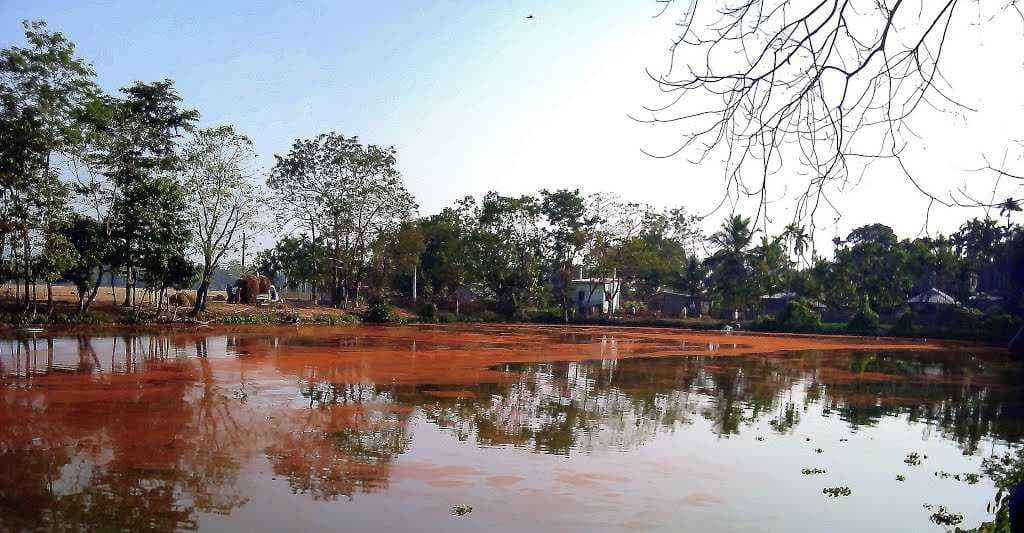
The serene Rudrasagar Lake, adorned with colorful boats and teeming with birdlife, offers a moment of tranquility. Take a boat ride, letting the sun kiss your face and the gentle ripples soothe your soul. Unakoti's natural beauty is a balm for the weary, a reminder of the interconnectedness of all things.
Cultural Mosaic:
Unakoti's vibrancy extends beyond its ancient carvings and verdant landscapes. Witness the hypnotic movements of Manipuri dancers during the Ashokastami Mela, a vibrant festival. Immerse yourself in the sounds of traditional music, from the rhythmic beats of dhol drums to the melancholic tunes of the flute. Savor the unique flavors of Tripuri cuisine, a delicious blend of Bengali and indigenous influences.
Unakoti is more than just a tourist destination; it's an experience. It's a place where history meets mythology, nature serenades your soul, and ancient carvings whisper forgotten tales. So, pack your bags, open your heart, and get ready to be captivated by the magic of Unakoti.
Travel Tips:
- The best time to visit Unakoti is during the winter months (October to March) when the weather is pleasant and sunny.
- Wear comfortable shoes suitable for trekking and exploring uneven terrain.
- Carry sunscreen, a hat, and sunglasses, as the weather can be quite hot and sunny during the day.
- Be respectful of the religious significance of the site and dress modestly.
- Local guides are available at the site and can provide valuable insights into the history and significance of the carvings.
I hope this travel description, enhanced with images, paints a vivid picture of Unakoti and inspires you to plan your own journey to this magical place. If you have any specific questions or interests, please let me know, and I'll be happy to tailor the information further!