Nestled amidst the dramatic gorges of the Mangde Chhu River in central Bhutan lies Trongsa, a town steeped in history and cultural significance. Its name, meaning "new village" in Dzongkha, aptly reflects its position as a crossroads between the eastern and western regions of the kingdom.
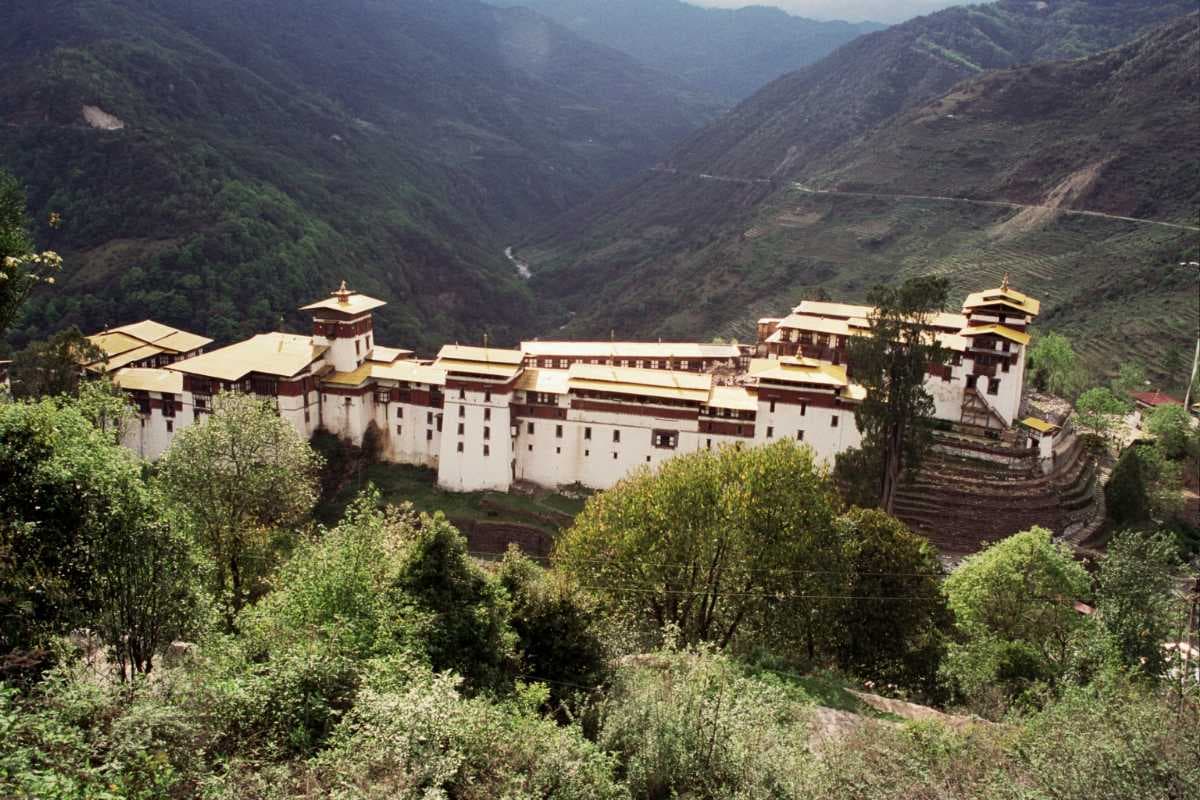
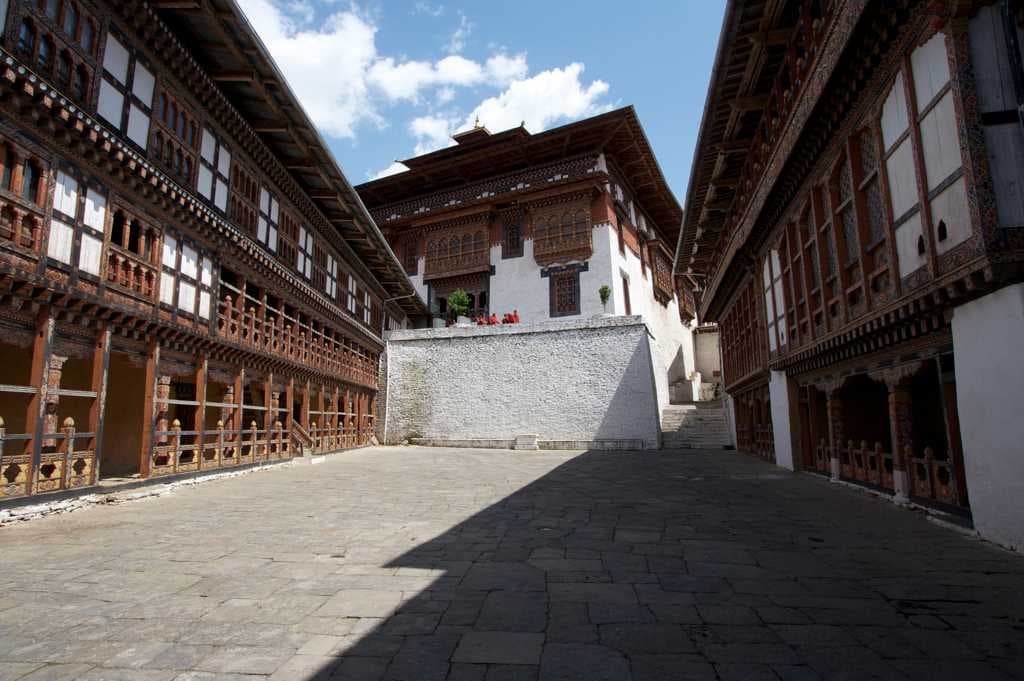
Trongsa's crown jewel is undoubtedly the Trongsa Dzong, an architectural marvel perched atop a hillock, overlooking the valley below. This massive fortress, built in 1648, served as the seat of power for the Wangchuck dynasty for centuries. Its imposing walls, adorned with intricate murals and prayer flags, whisper tales of bygone eras.
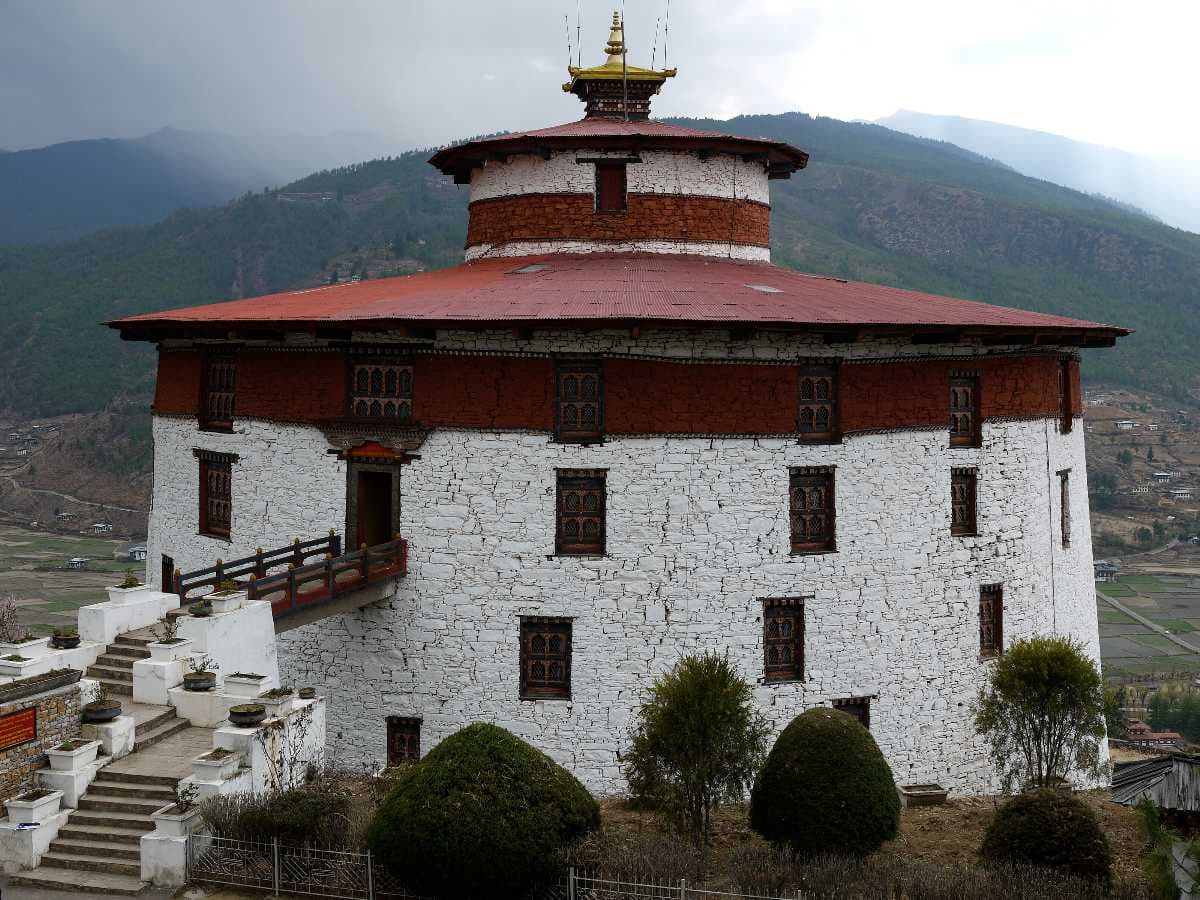
Within the dzong's labyrinthine corridors lie temples, courtyards, and administrative buildings, each showcasing Bhutan's unique blend of Buddhist and Bhutanese architectural styles. Climb the watchtower for breathtaking panoramic views of the surrounding landscape, or wander through the prayer halls, soaking in the tranquility and spiritual aura.
Beyond the dzong, Trongsa offers a treasure trove of experiences for the curious traveler. Immerse yourself in the vibrant culture by attending the Trongsa Tsechu, a five-day festival held in December or January. Witness the spectacle of masked dances, colorful costumes, and traditional music, all celebrating the arrival of Guru Rinpoche to Bhutan.
For history buffs, the Trongsa Museum delves into the town's rich past, showcasing artifacts and exhibits that narrate the lives of the Wangchuck dynasty and the region's role in shaping Bhutan's identity.
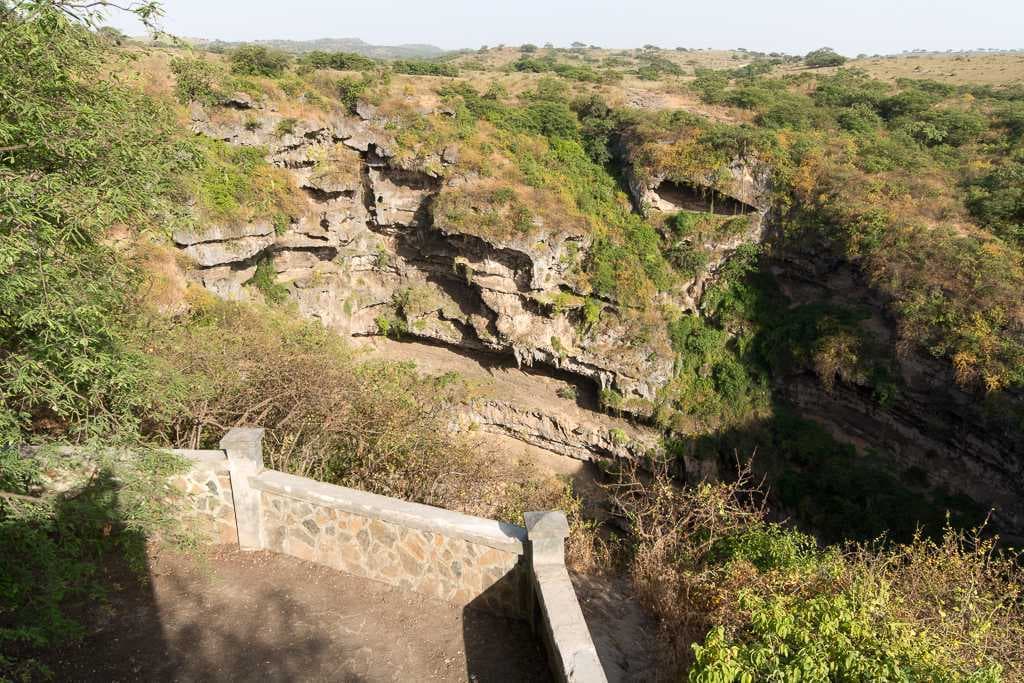
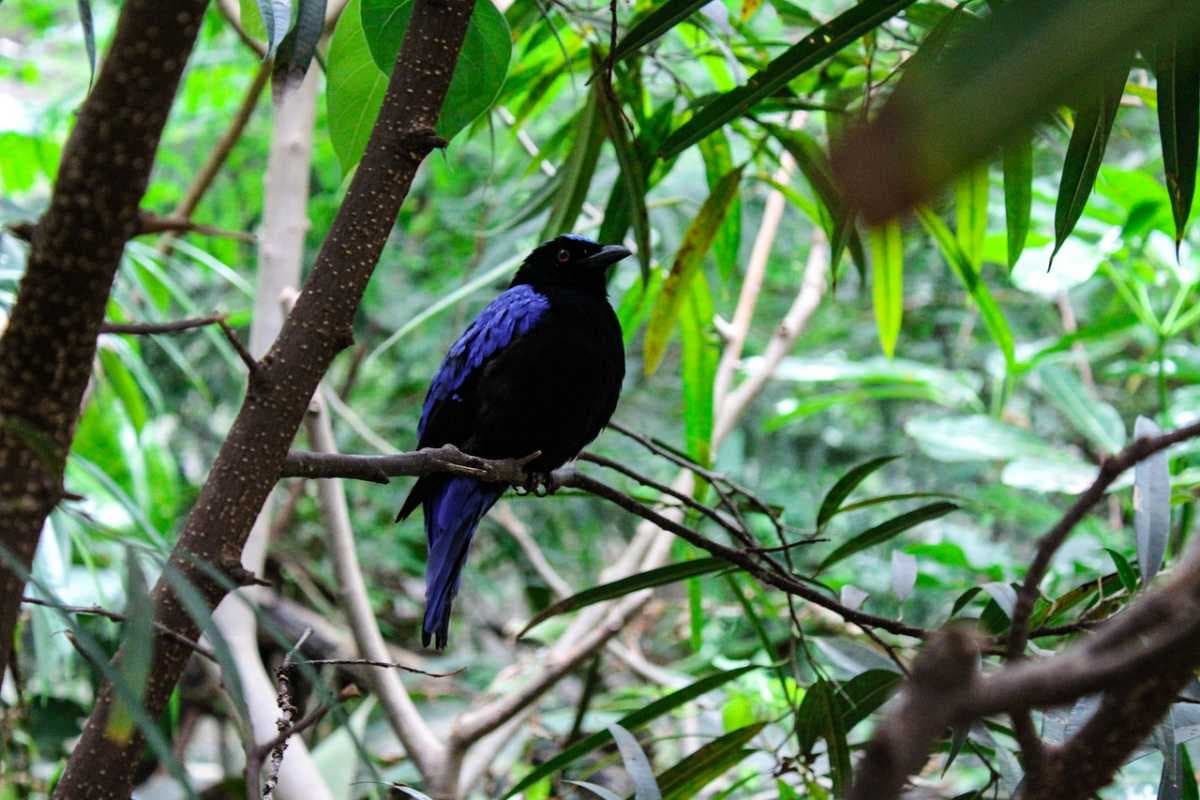
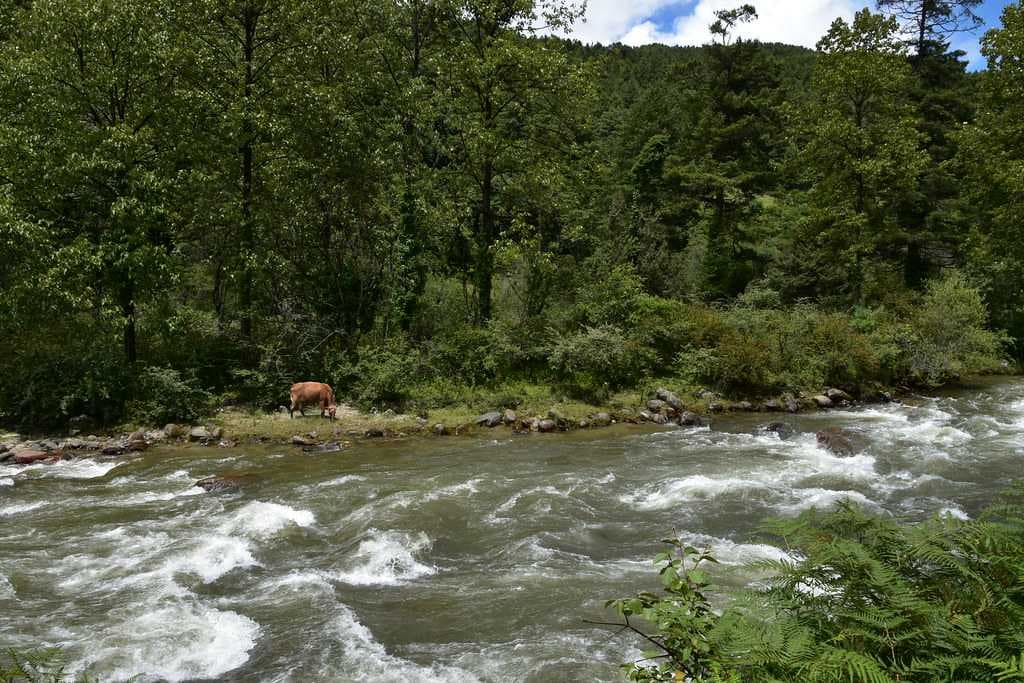
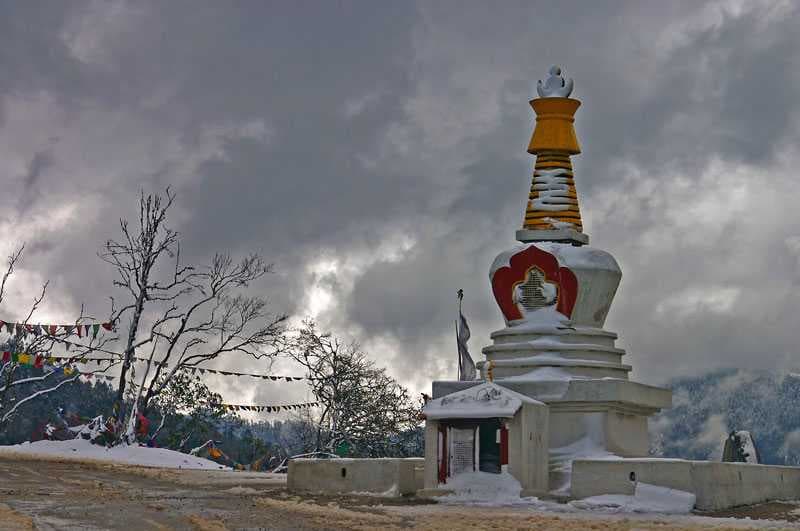
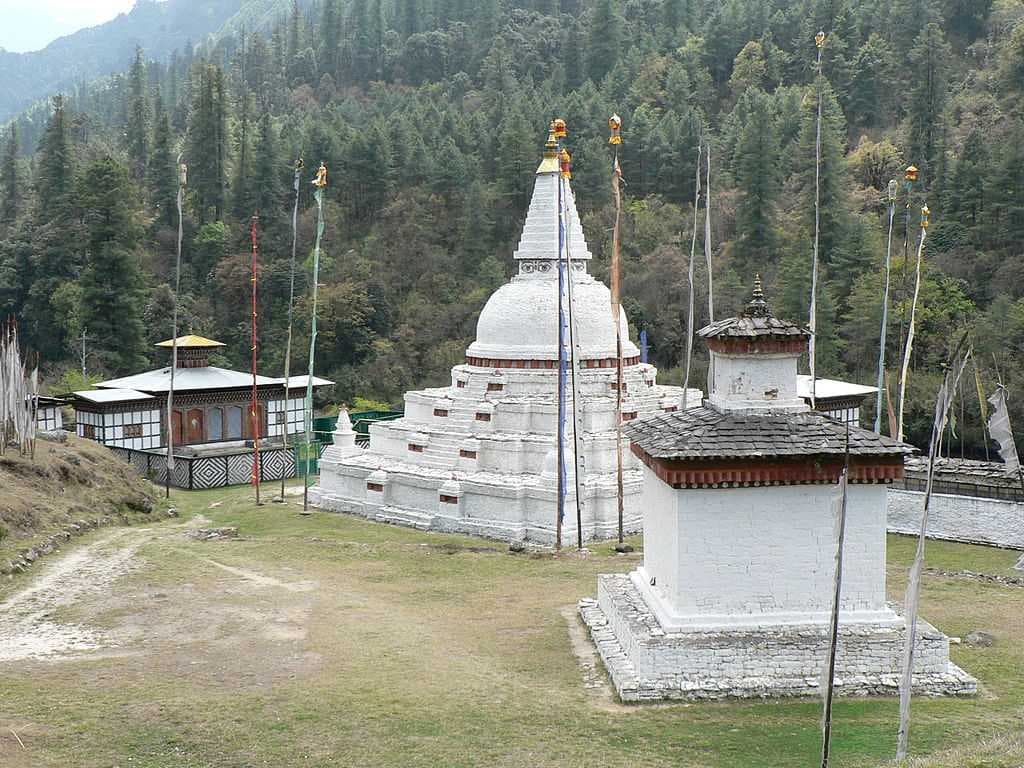
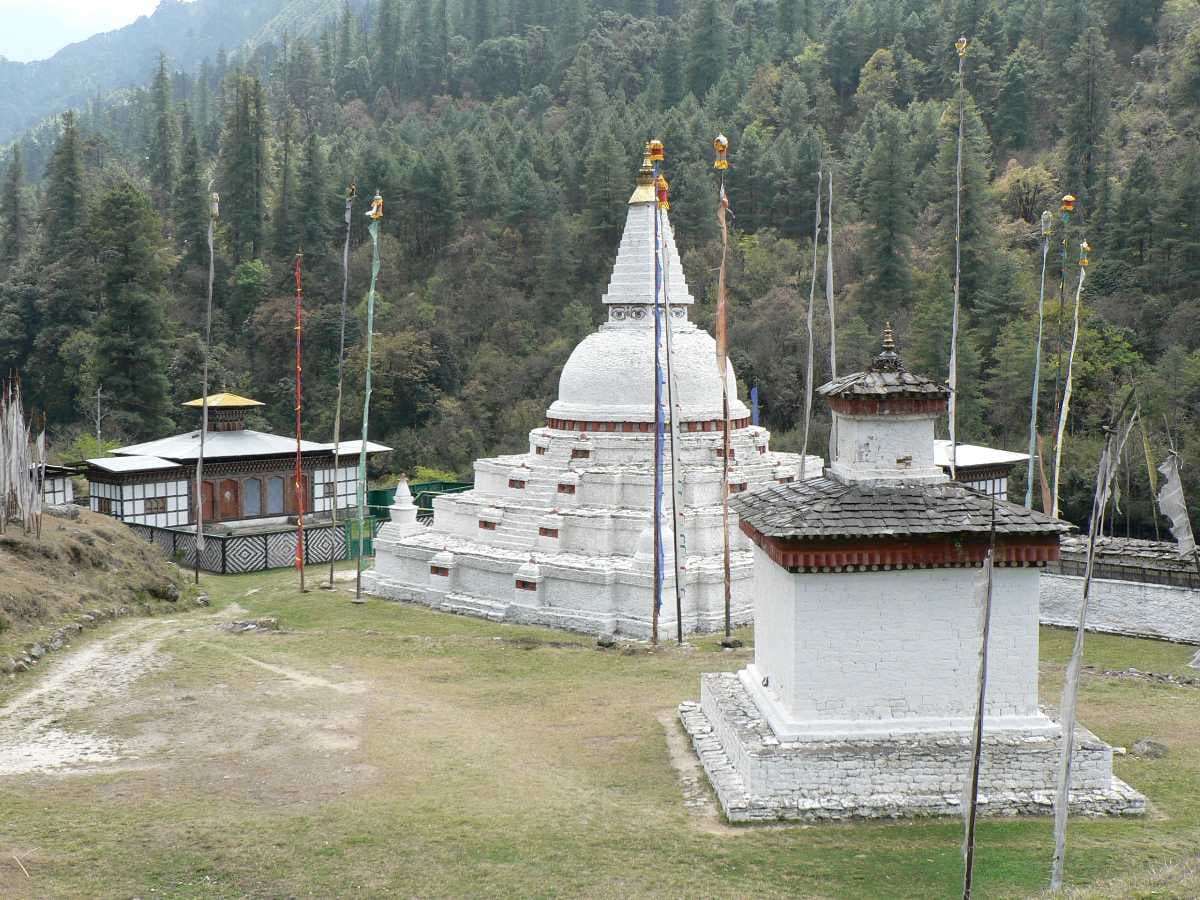
Nature lovers can embark on scenic hikes through the verdant valleys and forests surrounding Trongsa. Spot exotic birds, encounter playful monkeys, and soak in the crisp mountain air. Trek to the remote Chendebji Chorten, perched precariously on a cliff overlooking the valley, for a truly unforgettable experience.
A visit to Trongsa is an invitation to step back in time and experience the essence of Bhutan. From the grandeur of the Trongsa Dzong to the vibrant culture and stunning natural beauty, this charming town promises an unforgettable journey into the heart of the Land of the Thunder Dragon.
Here are some additional tips for planning your trip to Trongsa:
- The best time to visit Trongsa is during the spring (March to May) or autumn (September to November) seasons, when the weather is pleasant and sunny.
- The Trongsa Tsechu is a great time to experience the local culture, but be prepared for crowds.
- Pack comfortable shoes for walking and exploring the town.
- Bhutan requires a special tourist visa, so be sure to apply well in advance of your trip.
I hope this description has given you a glimpse into the magic of Trongsa. If you have any further questions, feel free to ask!