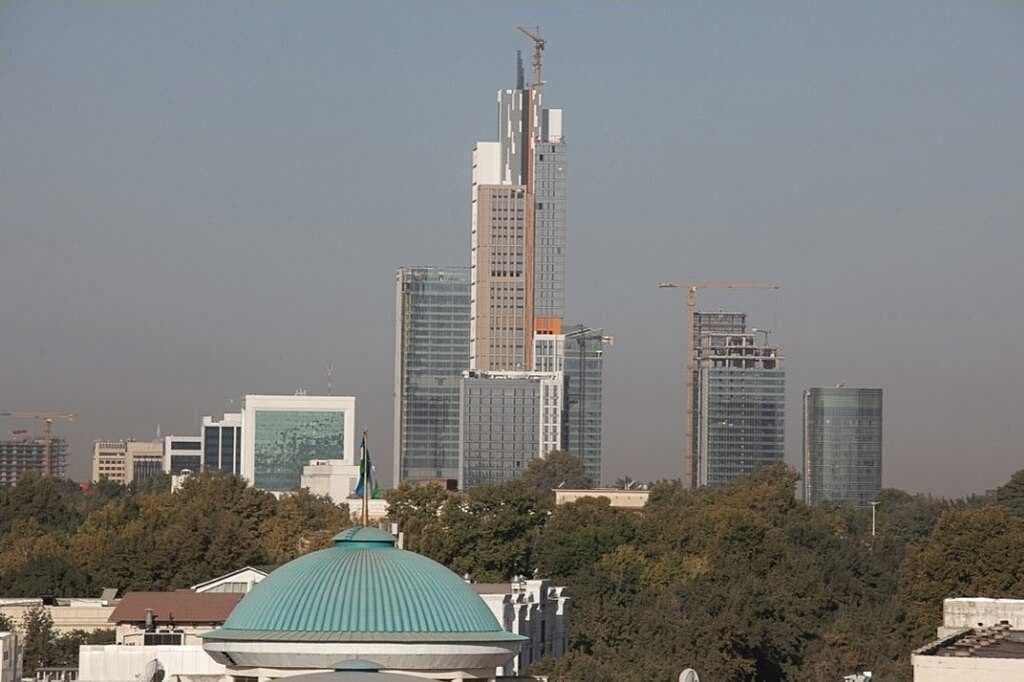
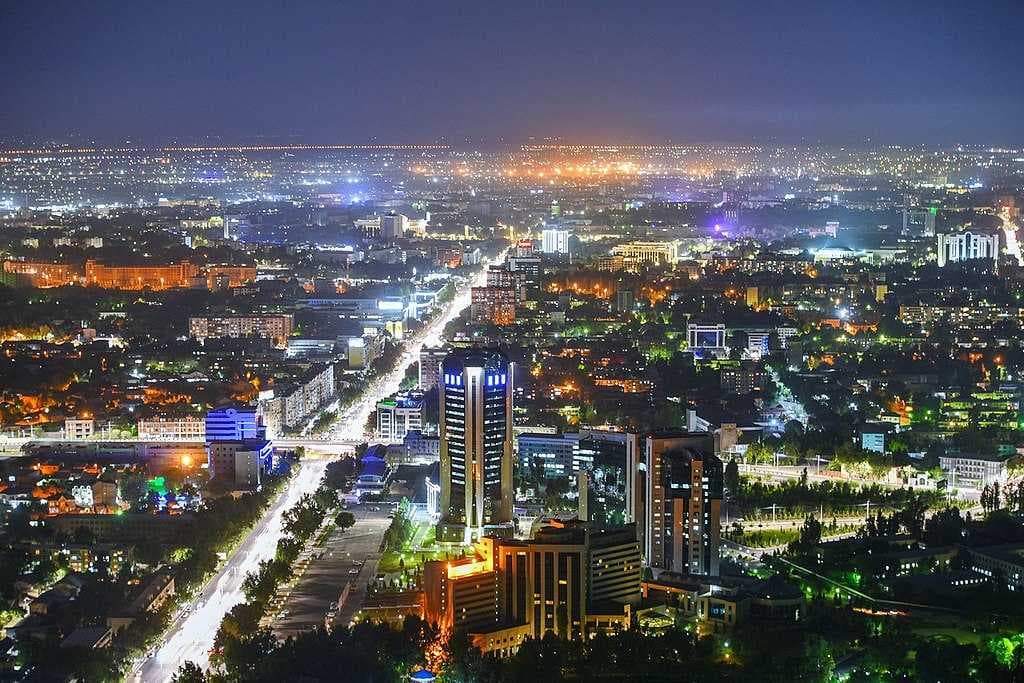

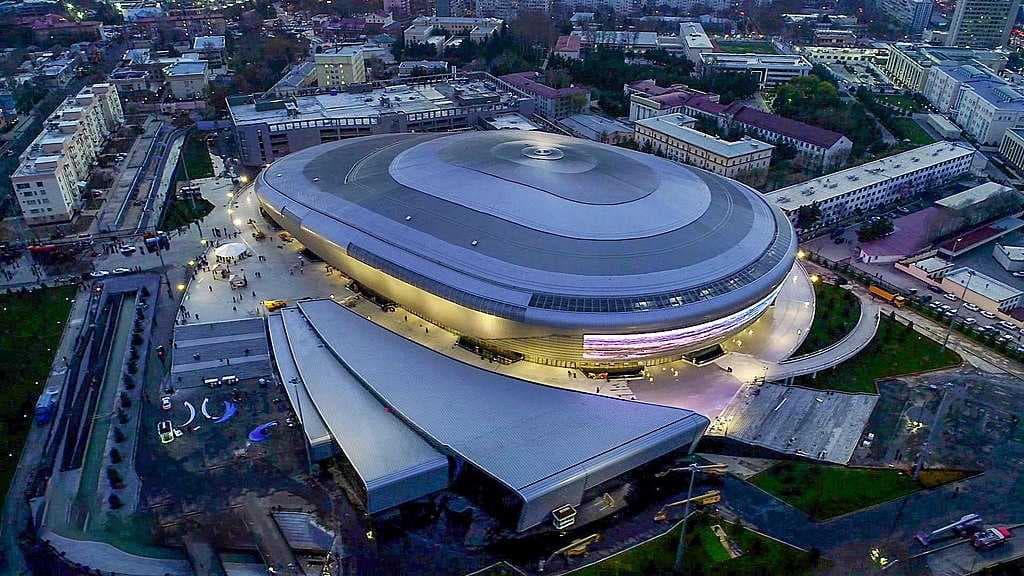
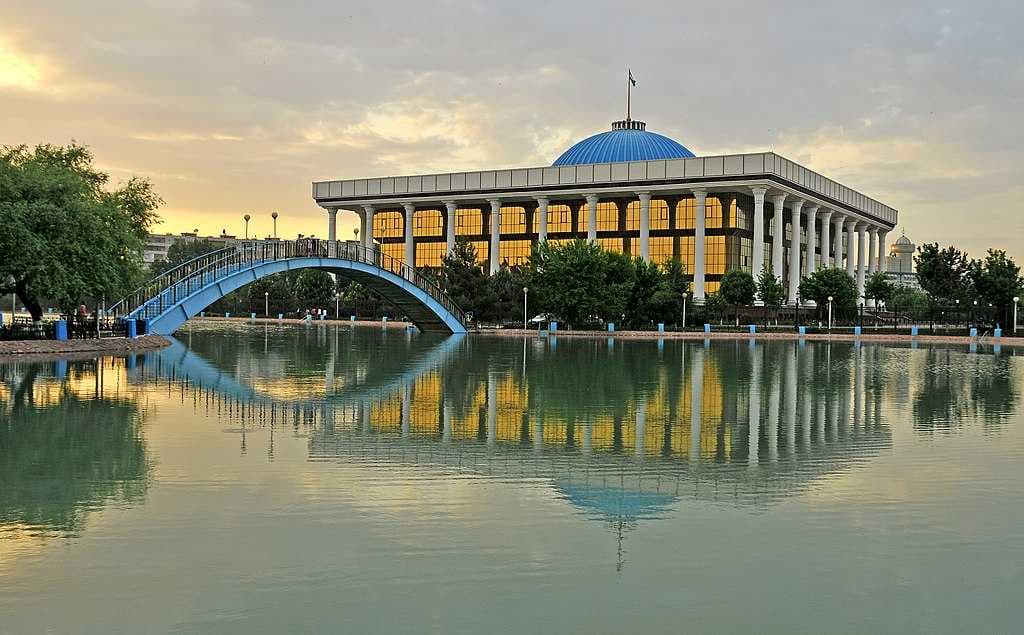
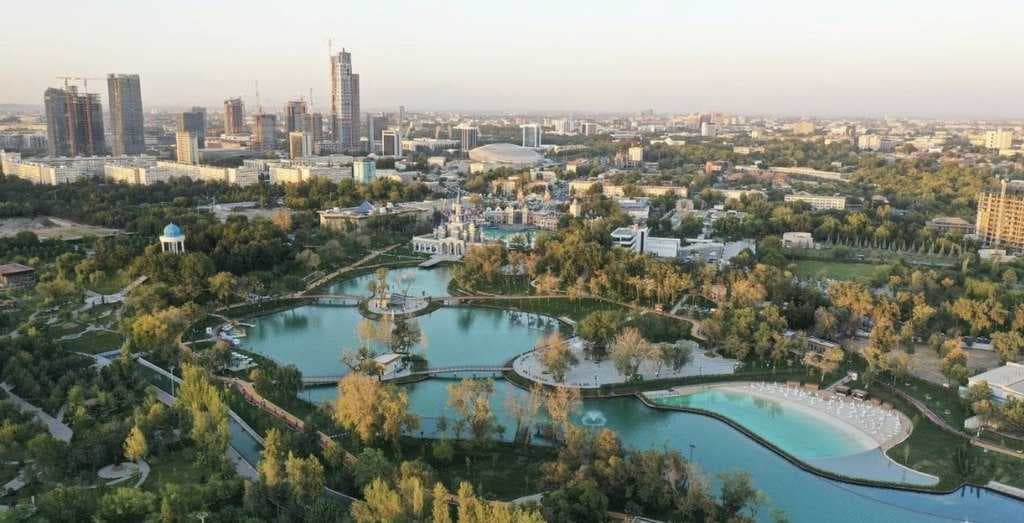
Tashkent is Uzbekistan's capital and largest urban centre, where Islamic heritage, Soviet-era planning and contemporary public spaces sit side by side. Historic highlights include the Hazrati Imam complex, Barak Khan Madrasa and older neighbourhoods, while Amir Temur Square, major museums and the richly decorated metro reveal later chapters of the city. Chorsu Bazaar offers a lively introduction to local produce, bread, spices and everyday commerce.
Two days allow a balanced visit to the old city, central museums, parks and metro architecture. Distances are larger than they first appear, so combine the metro with registered taxis and allow time for security checks at transport or public buildings. Dress modestly at active religious sites and ask before photographing people. Museum opening days and restoration work can change; confirm current access through Uzbekistan's official tourism resources. Summers are very hot, making early starts, shade and adequate water important, while winter conditions require warm layers.
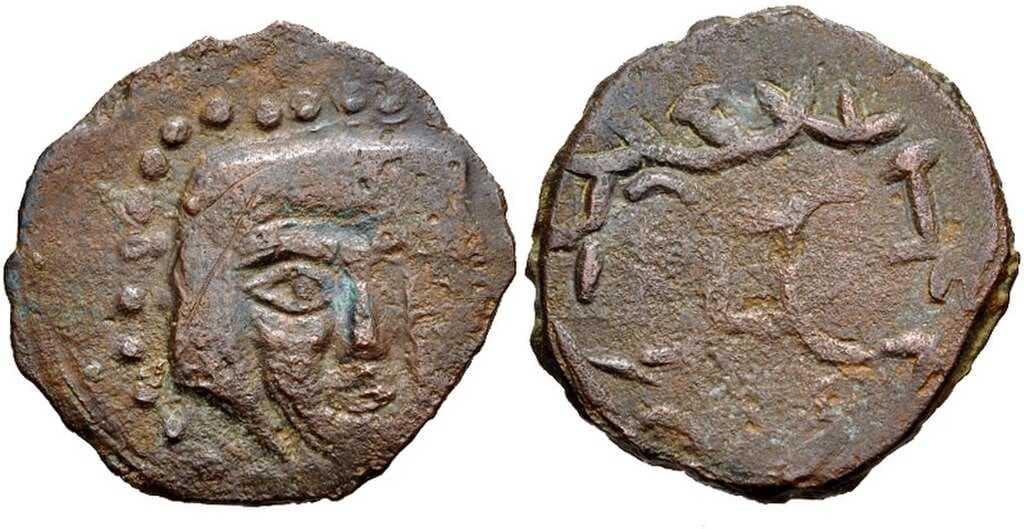
![Ambassadors from Chaganian (central figure, inscription of the neck), and Chach (modern Tashkent) to king Varkhuman of Samarkand. 648-651 CE, Afrasiyab murals, Samarkand.[15][16]](/_next/image?url=https%3A%2F%2Ftripscraperstorage.blob.core.windows.net%2Ftripscraper%2FImages%2FUzbekistan%2Fplaces%2FTashkent%2F9.jpg&w=3840&q=75)