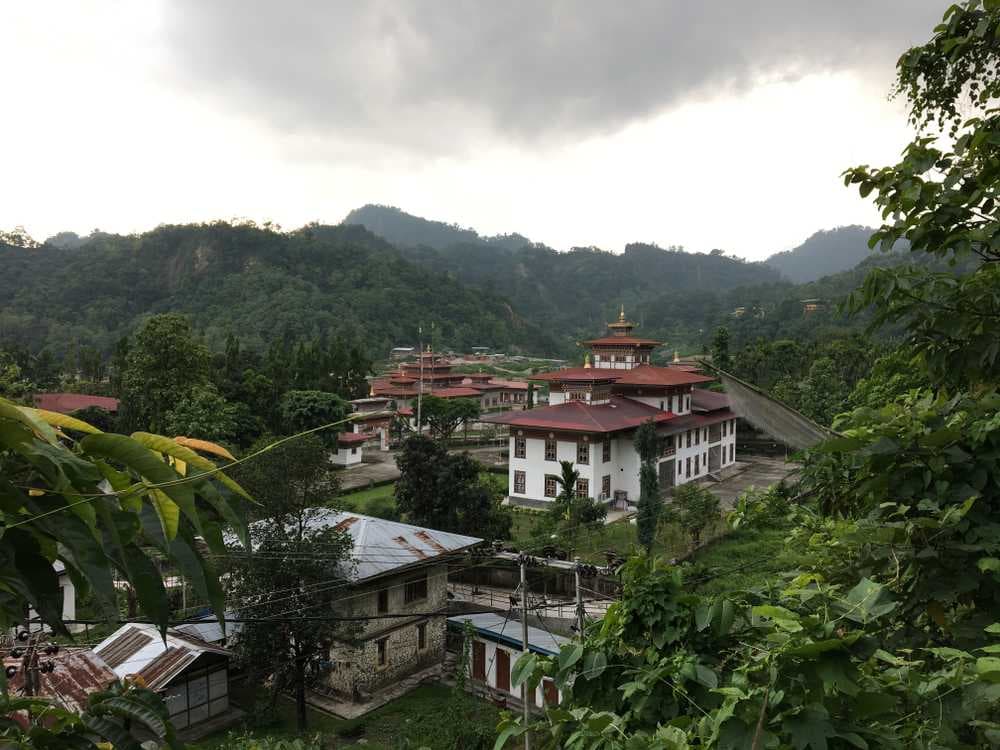


Samdrup Jongkhar, nestled amidst verdant hills in southeastern Bhutan, is a vibrant tapestry woven from rich history, stunning landscapes, and a warm cultural embrace. It's the gateway to Bhutan from India, beckoning travelers with its unique blend of bustling markets, ancient dzongs, and breathtaking Himalayan panoramas.
A Fusion of Cultures:
As you cross the border from India, Samdrup Jongkhar welcomes you with a palpable shift in energy. Bustling Indian bazaars spill over into the main street, their vibrant colors and lively chatter contrasting with the serene Bhutanese shops adorned with prayer flags. The air hums with a multilingual melody, where Dzongkha mingles with Nepali and Bengali, creating a unique cultural symphony.
Where History Whispers:
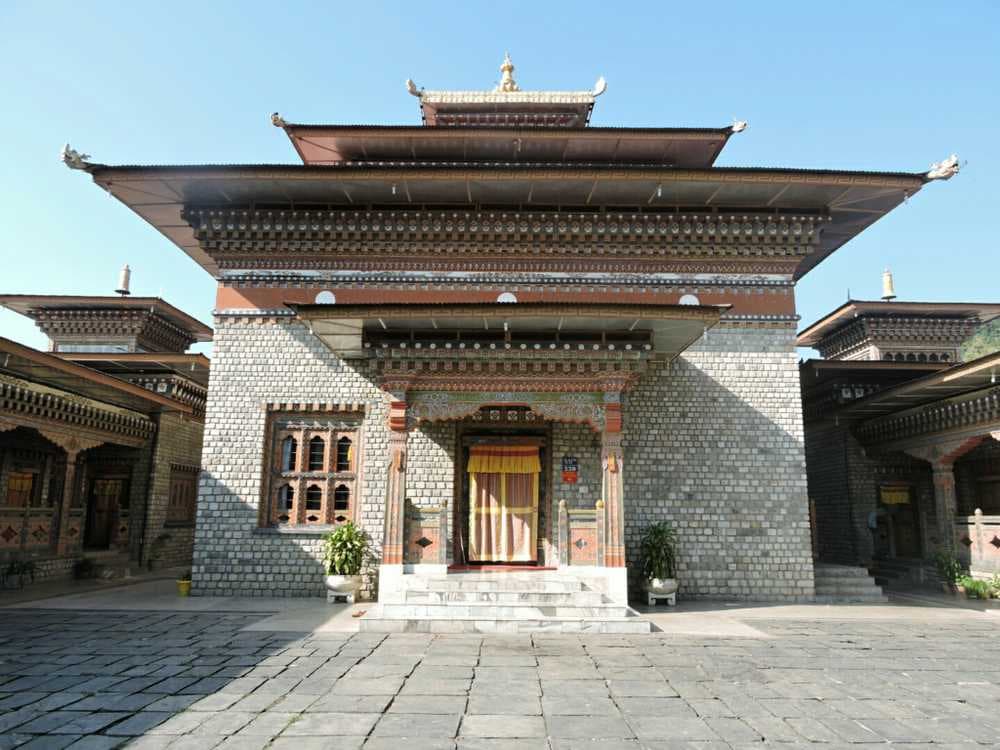
Samdrup Jongkhar's past whispers from its ancient landmarks. The imposing Trashigang Dzong, perched atop a hillock, dominates the skyline. Built in the 17th century, this fortress-monastery served as a crucial defense against Tibetan invasions. Step inside its courtyards and temples, adorned with intricate murals and echoing with chants, to experience a slice of Bhutan's rich history.
Spiritual Enclaves:
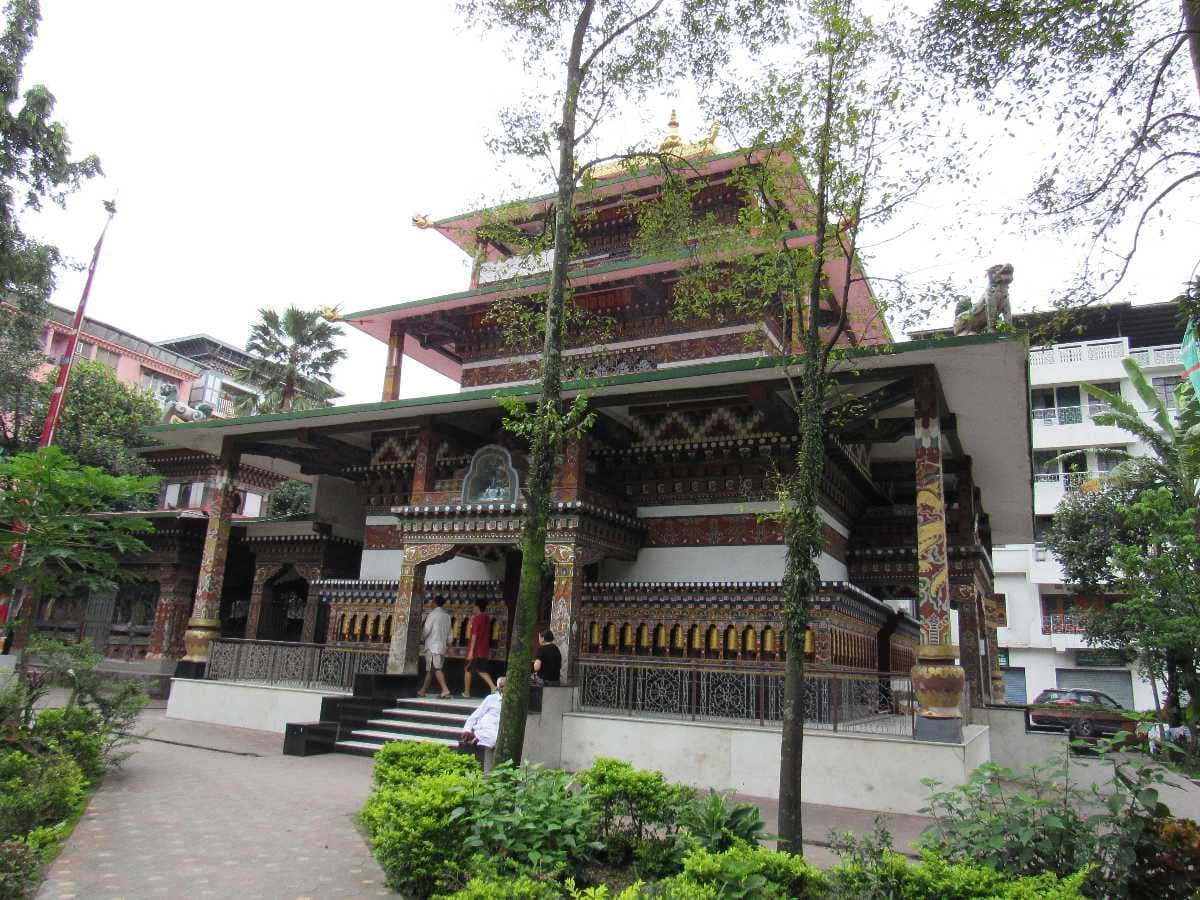
Samdrup Jongkhar is dotted with sacred spaces that offer tranquility amidst the bustle. The Zangtho Pelri Temple, dedicated to Guru Rinpoche, is a haven of peace. Its three stories house golden statues and colorful murals, and the air hums with the gentle murmur of prayers. Visit during the vibrant Tshechu festival to witness masked dances and colorful processions, immersing yourself in the Bhutanese spiritual tapestry.
Nature's Bounty:
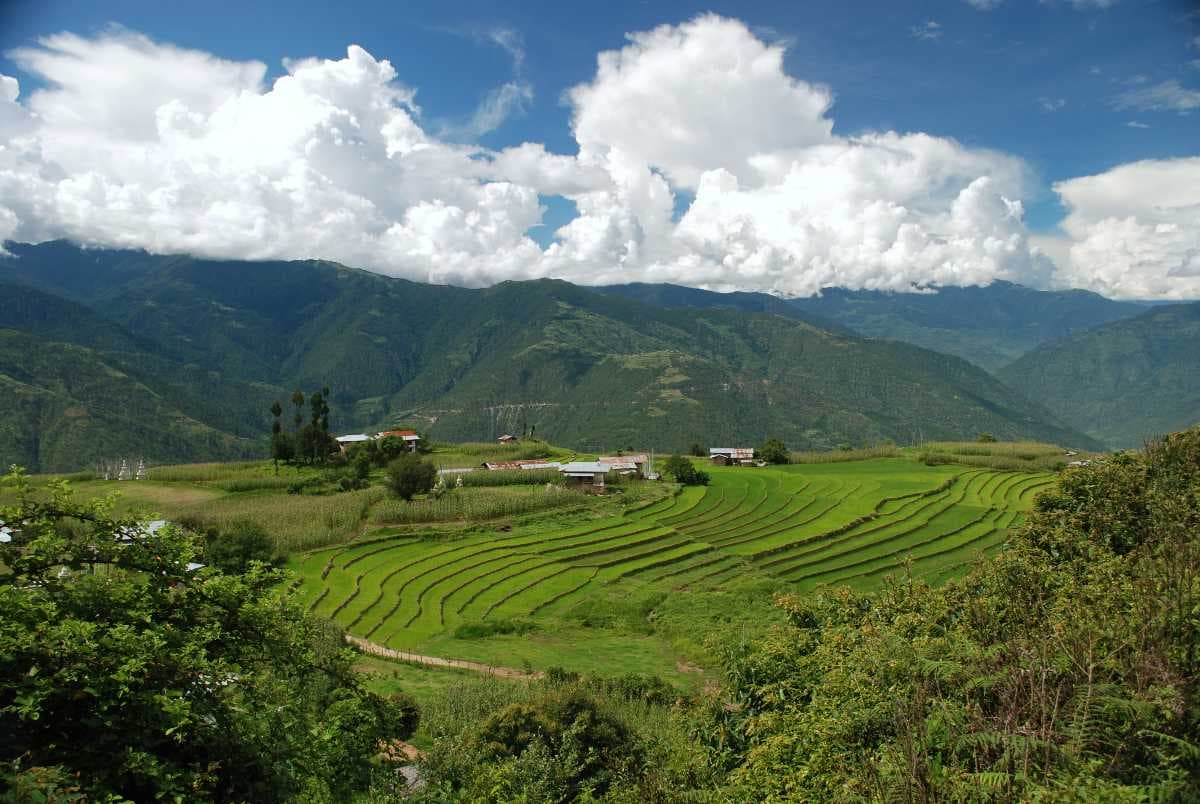
Beyond the town, Samdrup Jongkhar's natural beauty unfolds. Hike through the verdant Dewathang Valley, a paradise for birdwatchers, where rhododendrons paint the hillsides in vibrant hues. Trek to the remote Rangjung Khengar Natural Park, home to exotic flora and fauna like the elusive golden langur. Or, simply relax beside the serene Manas River, soaking in the tranquility of the Himalayan foothills.
A Culinary Adventure:
No trip to Samdrup Jongkhar is complete without indulging in its culinary delights. Sample authentic Bhutanese dishes like ema datshi (spicy chili and cheese stew) and momos (steamed dumplings), each bite bursting with flavor. Mingle with locals at bustling roadside stalls, savoring street food like tingmo (steamed bread) and jalebis (deep-fried sweet treats).
Travel Tips:
- Samdrup Jongkhar is easily accessible by road from India. Indian nationals don't require a visa but need an entry permit.
- The best time to visit is between October and April, when the weather is pleasant and sunny.
- Respect local customs and traditions; dress modestly and cover your shoulders and knees.
- Bargaining is acceptable in the markets, but do so politely.
Samdrup Jongkhar promises an unforgettable experience, where vibrant culture meets breathtaking landscapes, and ancient traditions mingle with modern charm. So, pack your bags, lace up your hiking boots, and prepare to be enchanted by this unique corner of Bhutan.
I hope this description, along with the images, paints a vivid picture of Samdrup Jongkhar's many facets. If you have any specific interests or questions, feel free to ask!