























Khajuraho: Where Sandstone Erotica Whispers Tales of a Golden Age
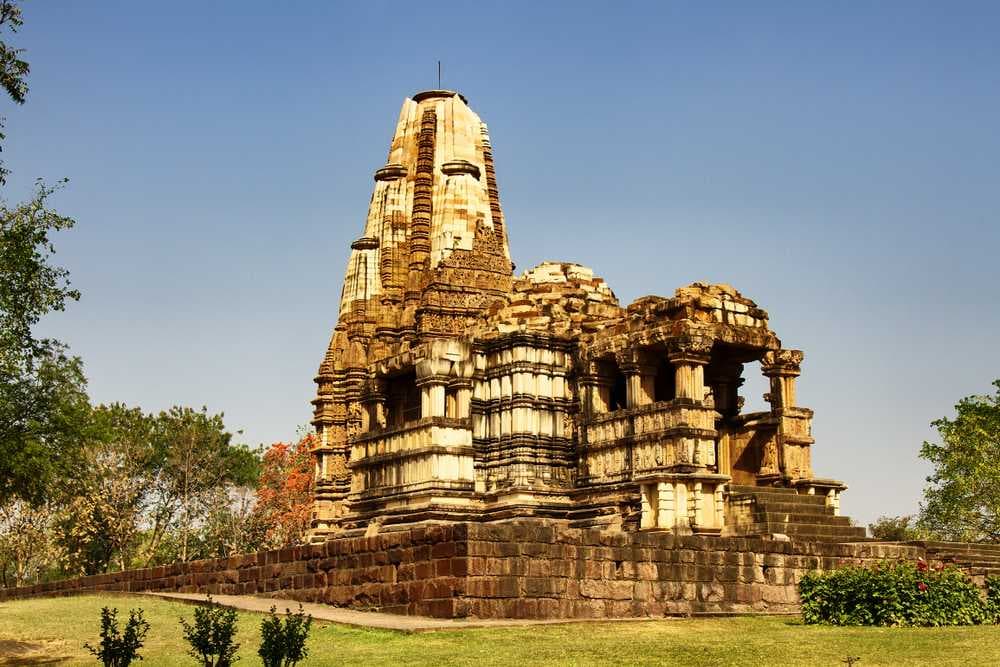
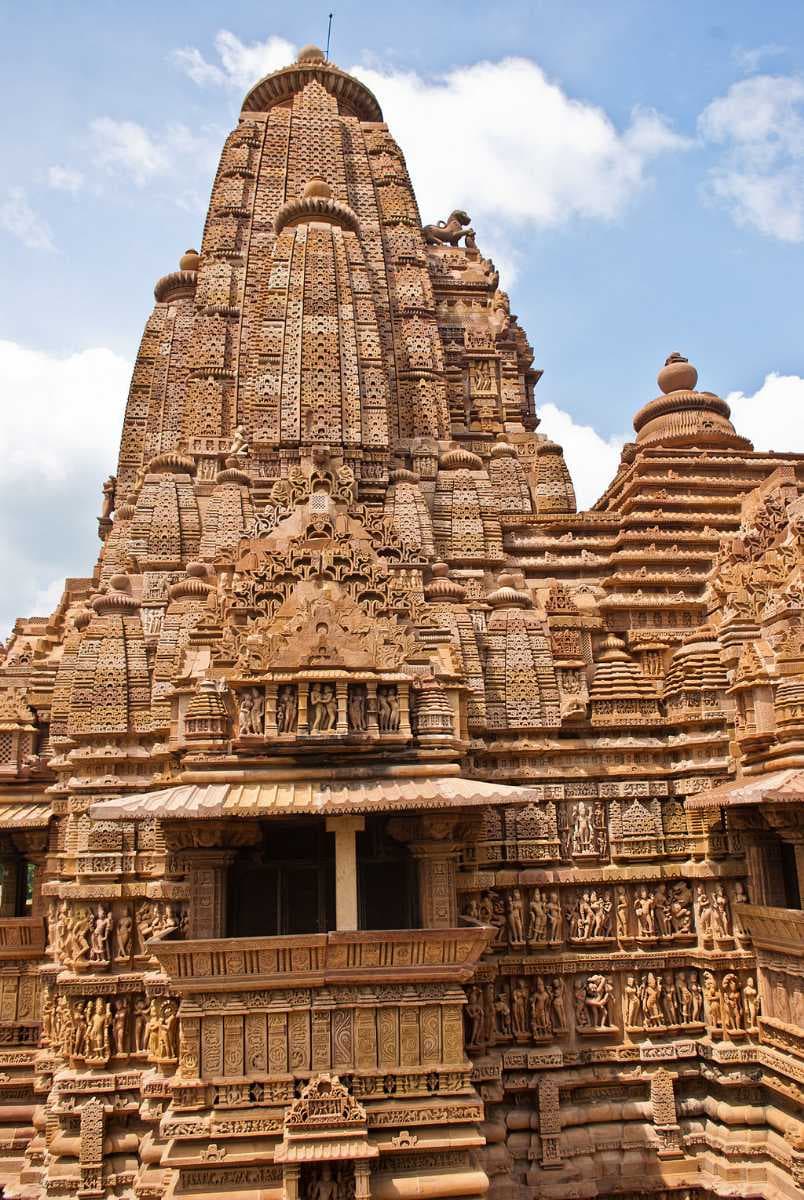
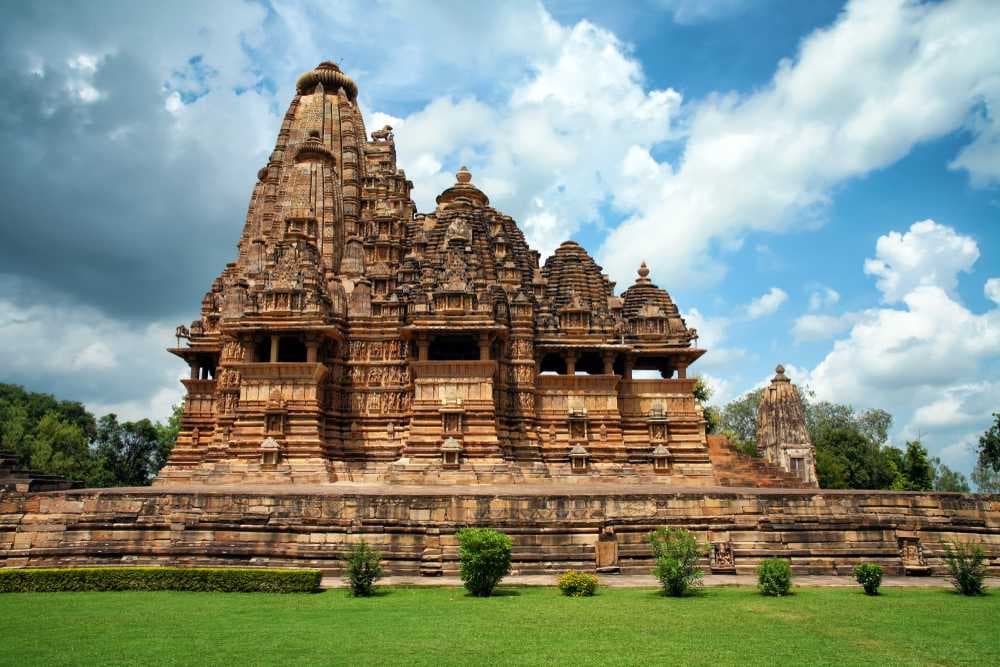
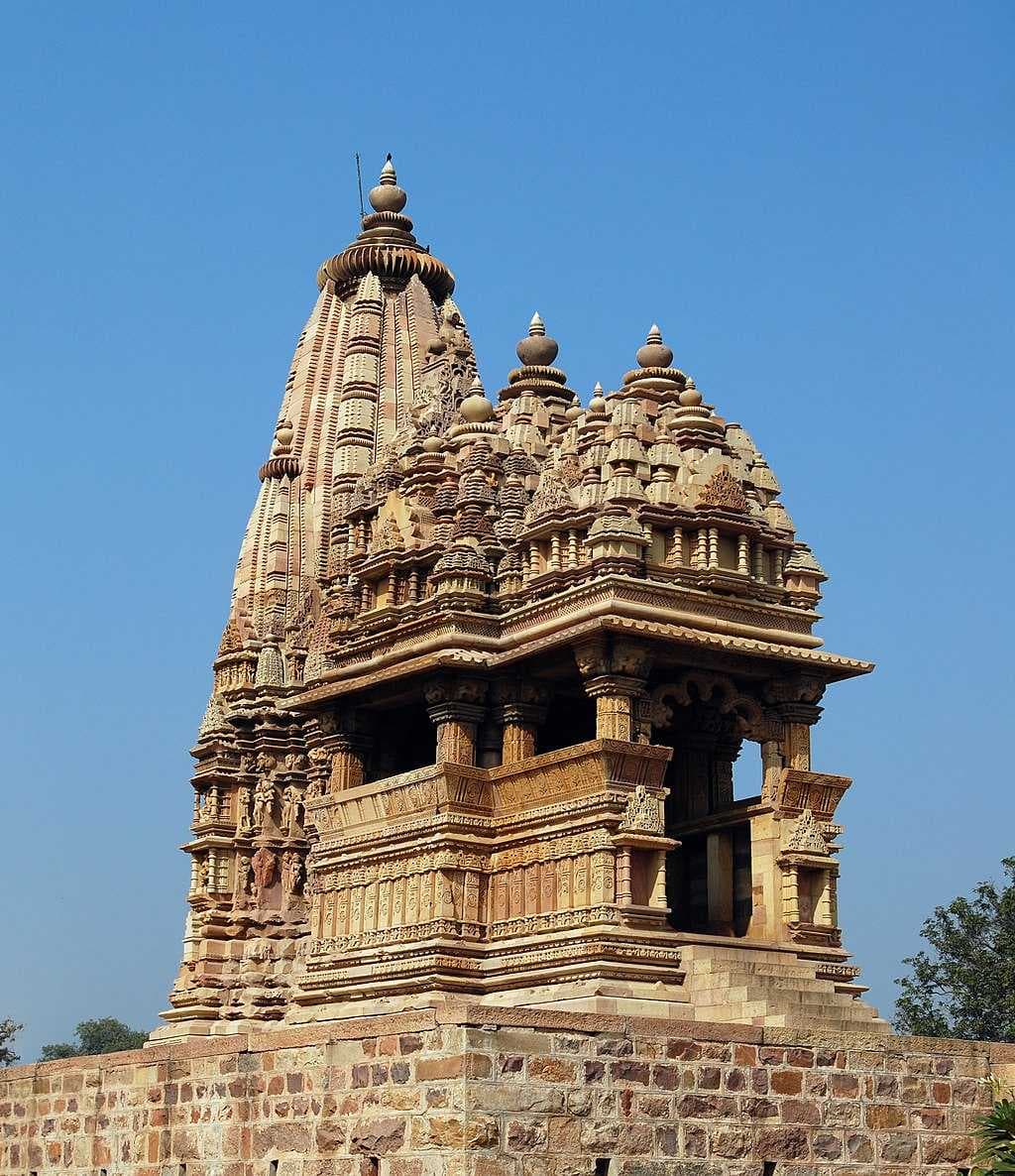
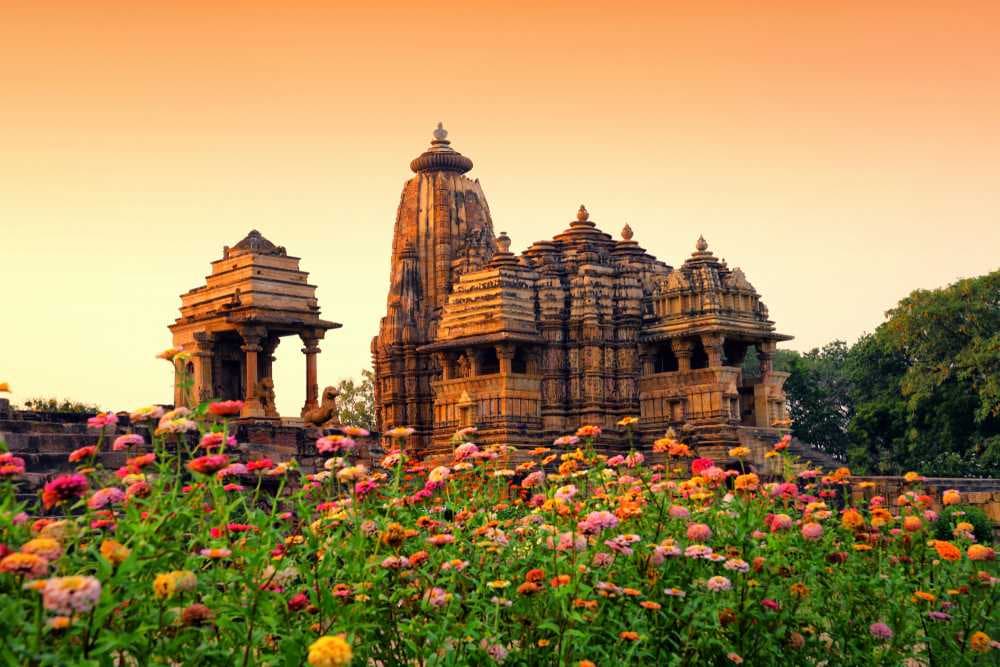
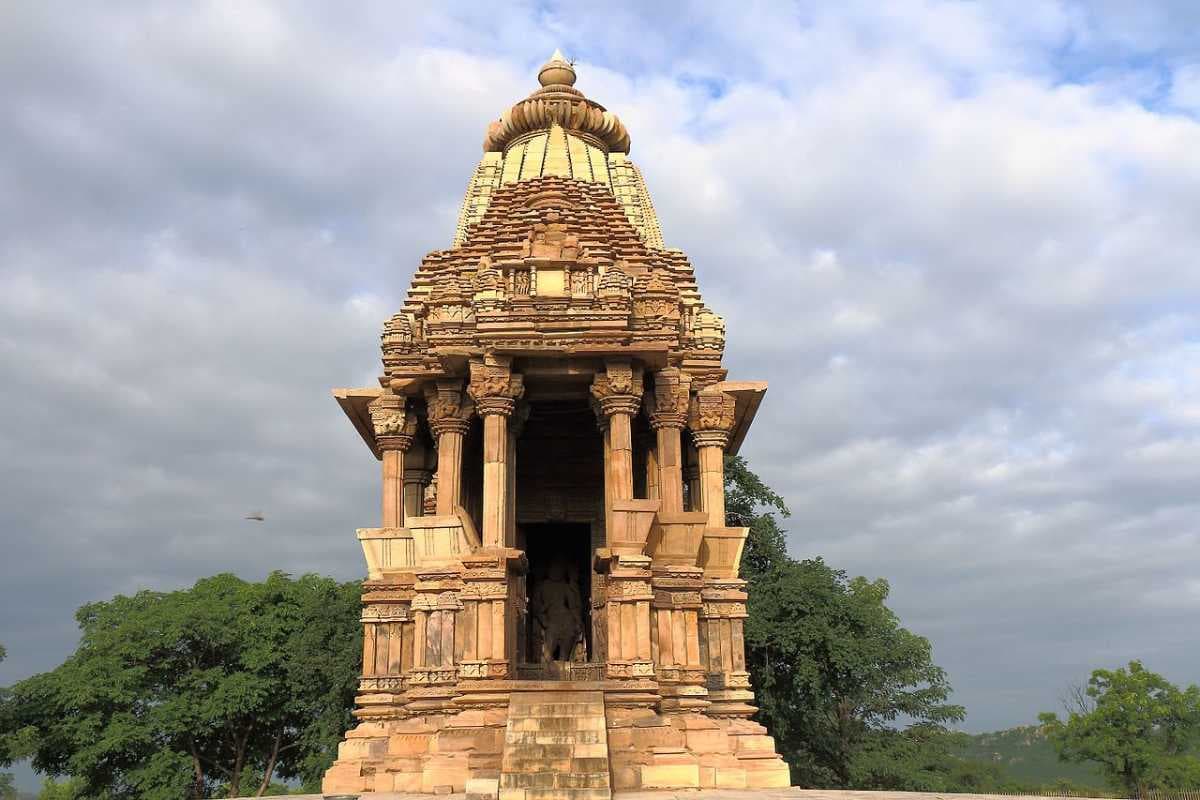
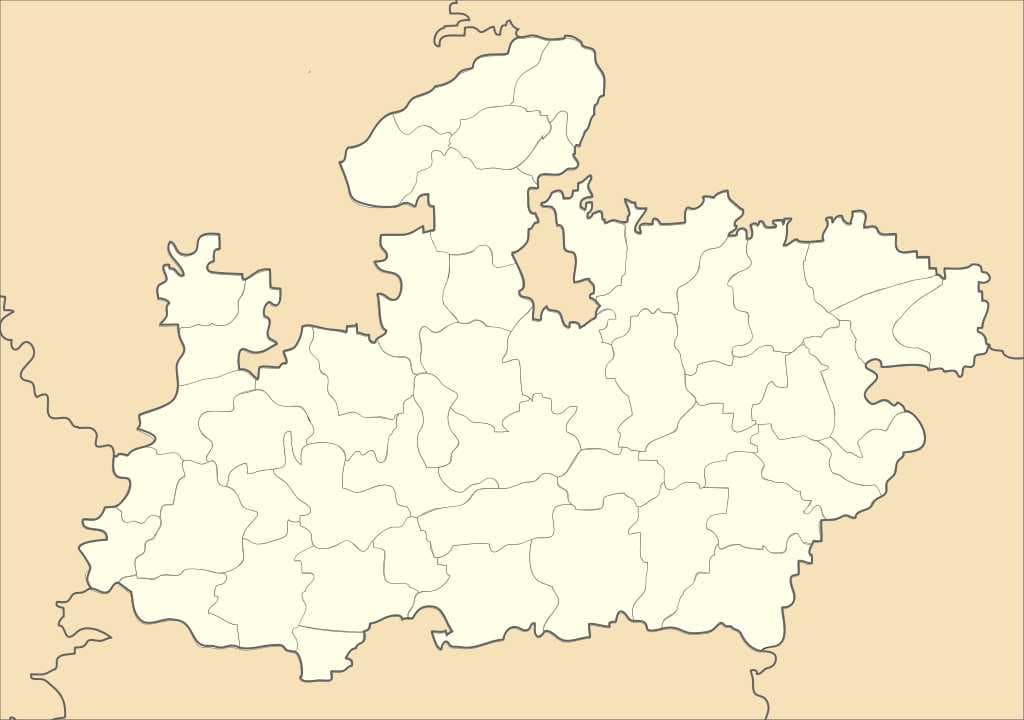
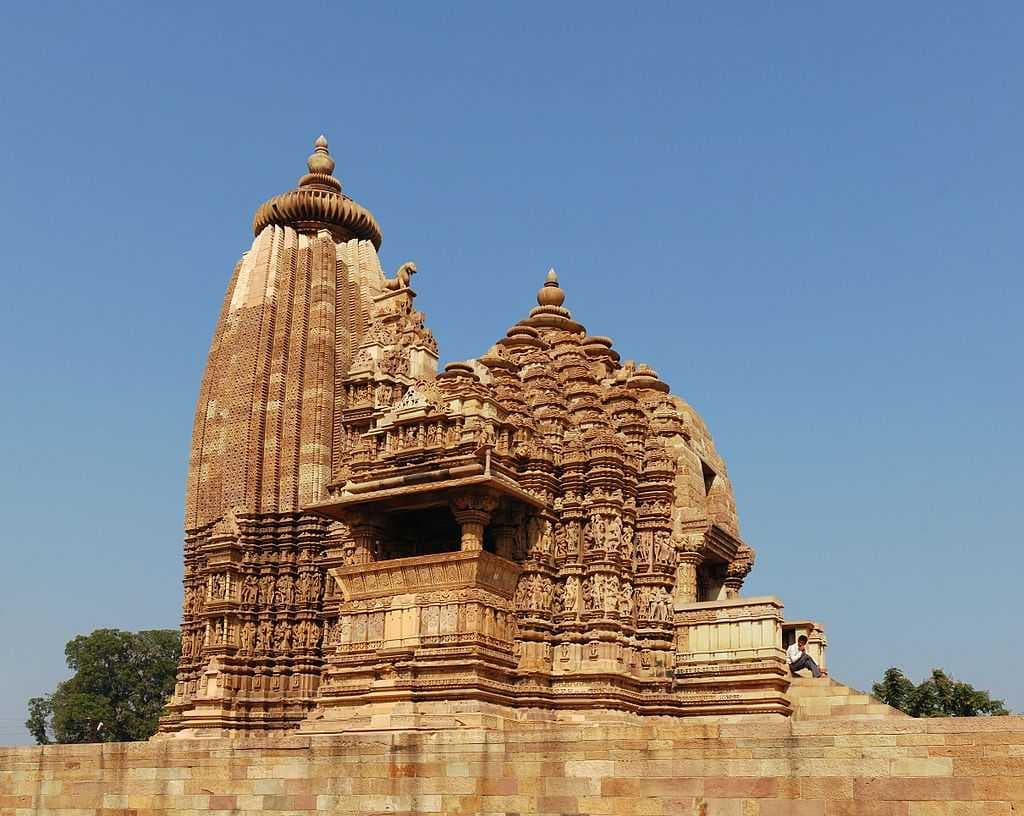
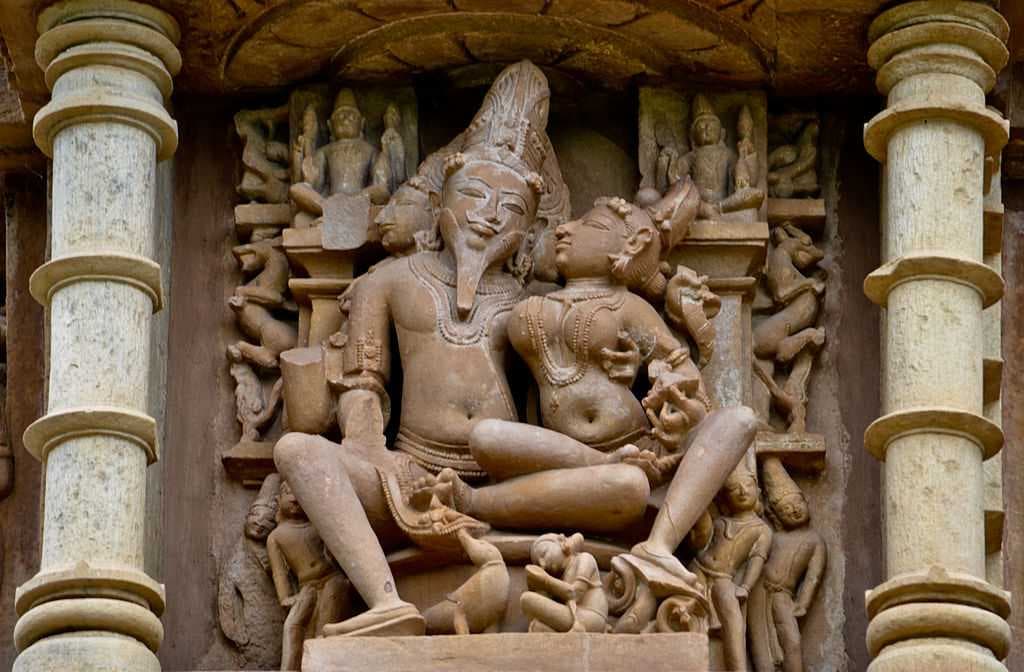
Beneath the warm Madhya Pradesh sun, a sandstone symphony rises from the earth. Welcome to Khajuraho, a UNESCO World Heritage Site where temples, intricately carved and sensually sculpted, stand as testaments to a bygone era of artistic freedom and spiritual exploration. This is no ordinary Indian pilgrimage; Khajuraho is a place where gods and goddesses mingle with mythical creatures, where erotic art intertwines with profound symbolism, and every stone whispers a story.
Embrace the Dance of Light and Shadow:
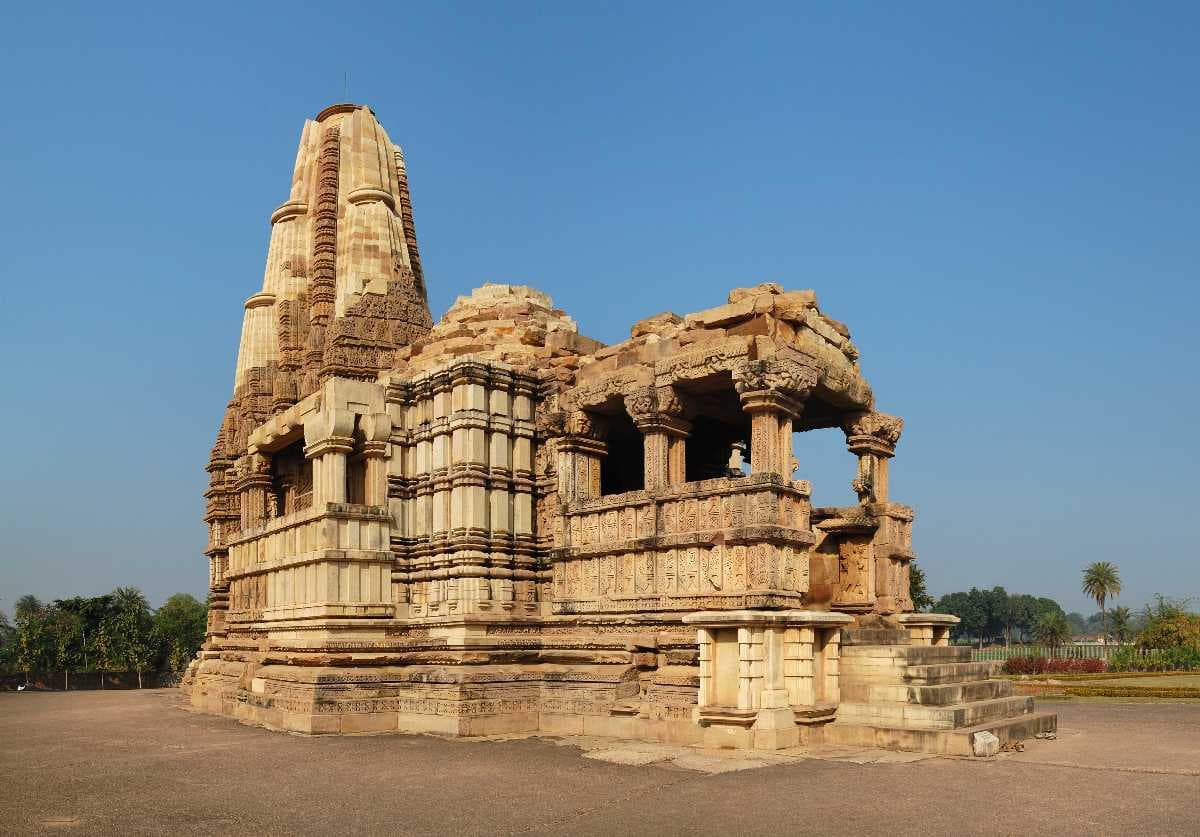
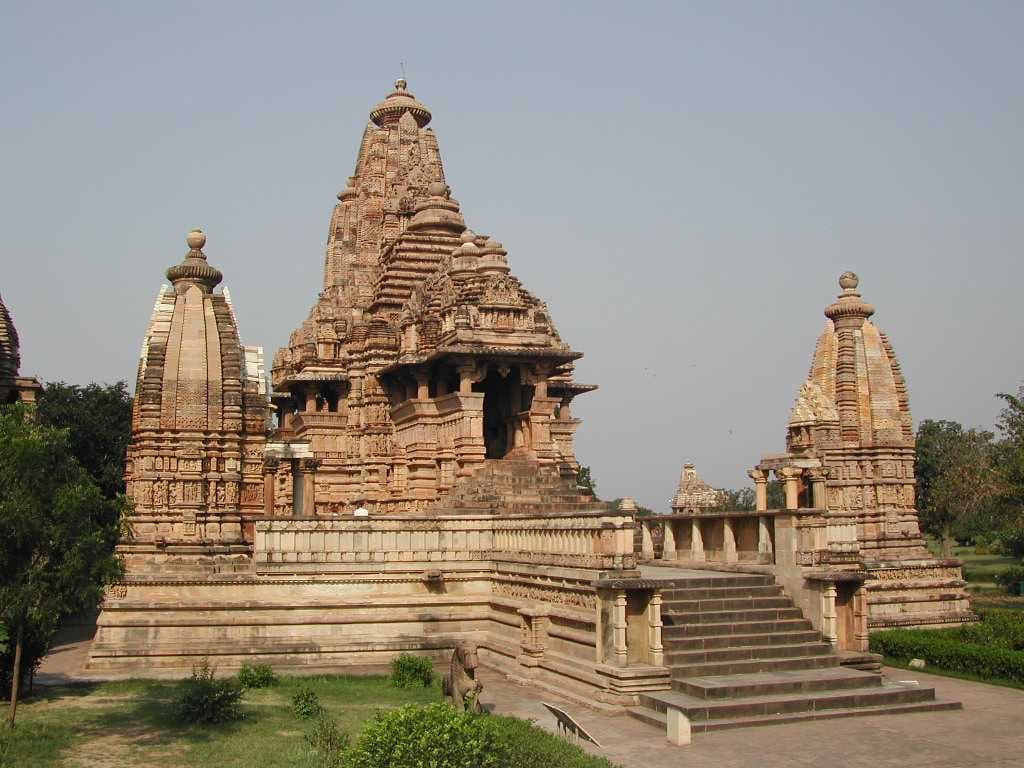
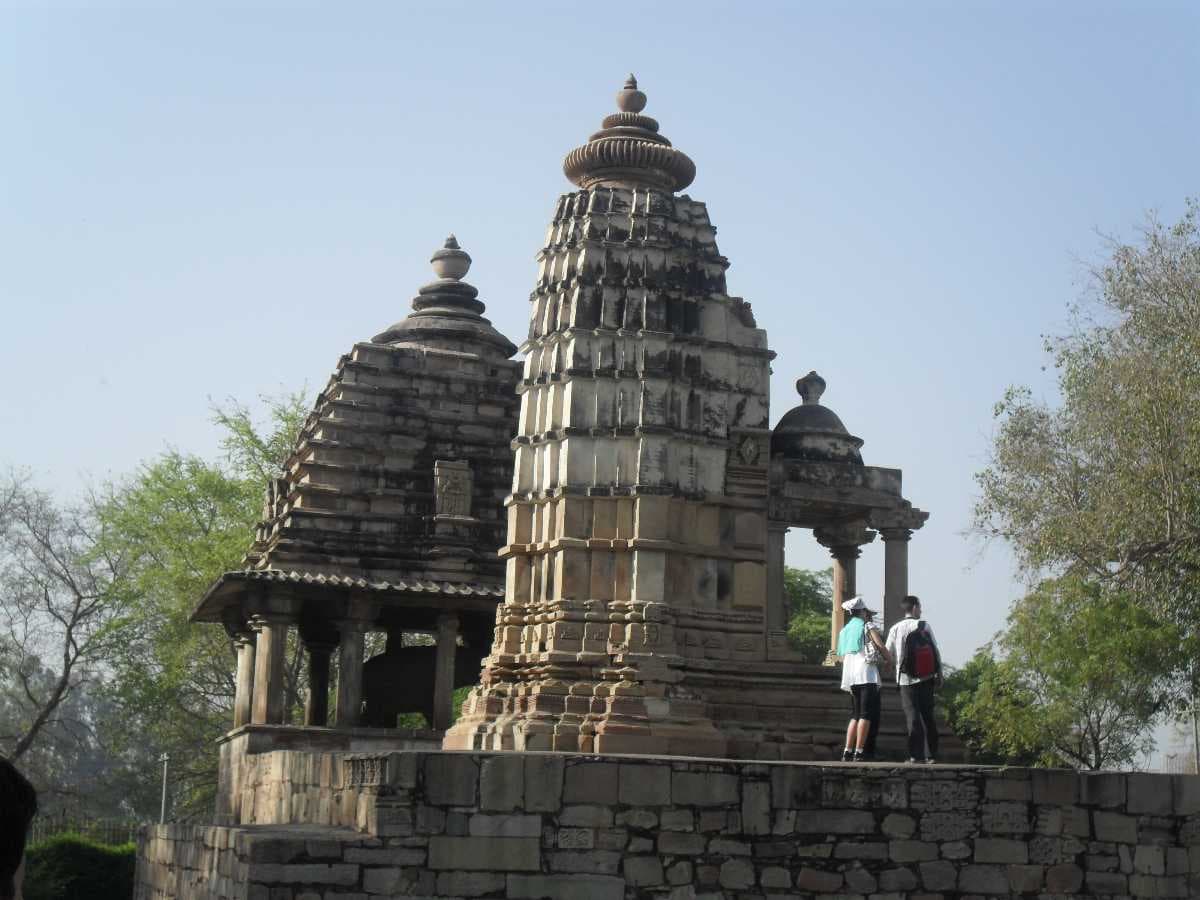
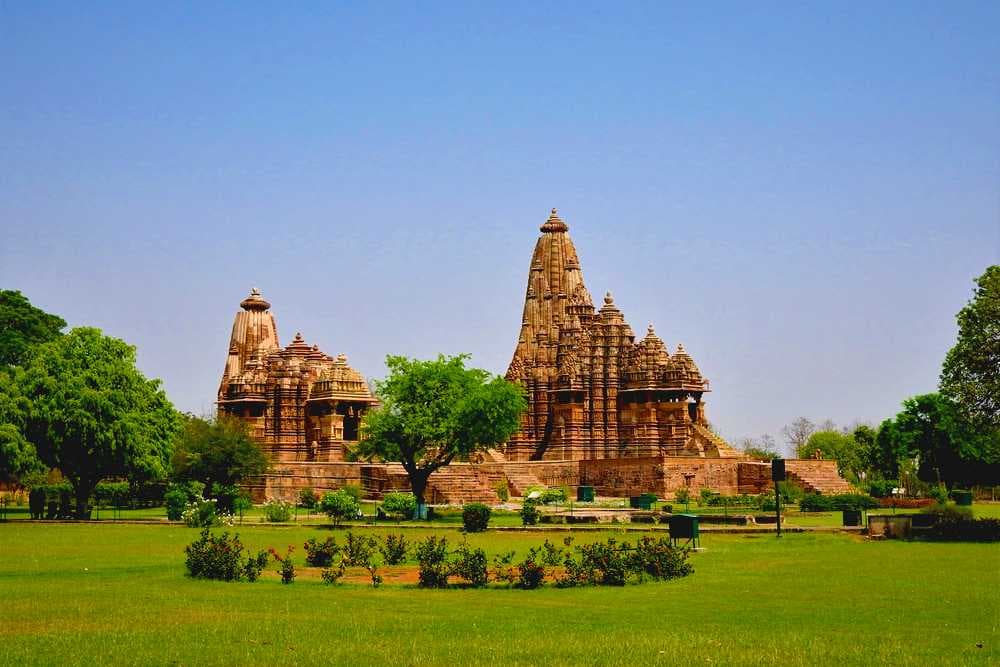
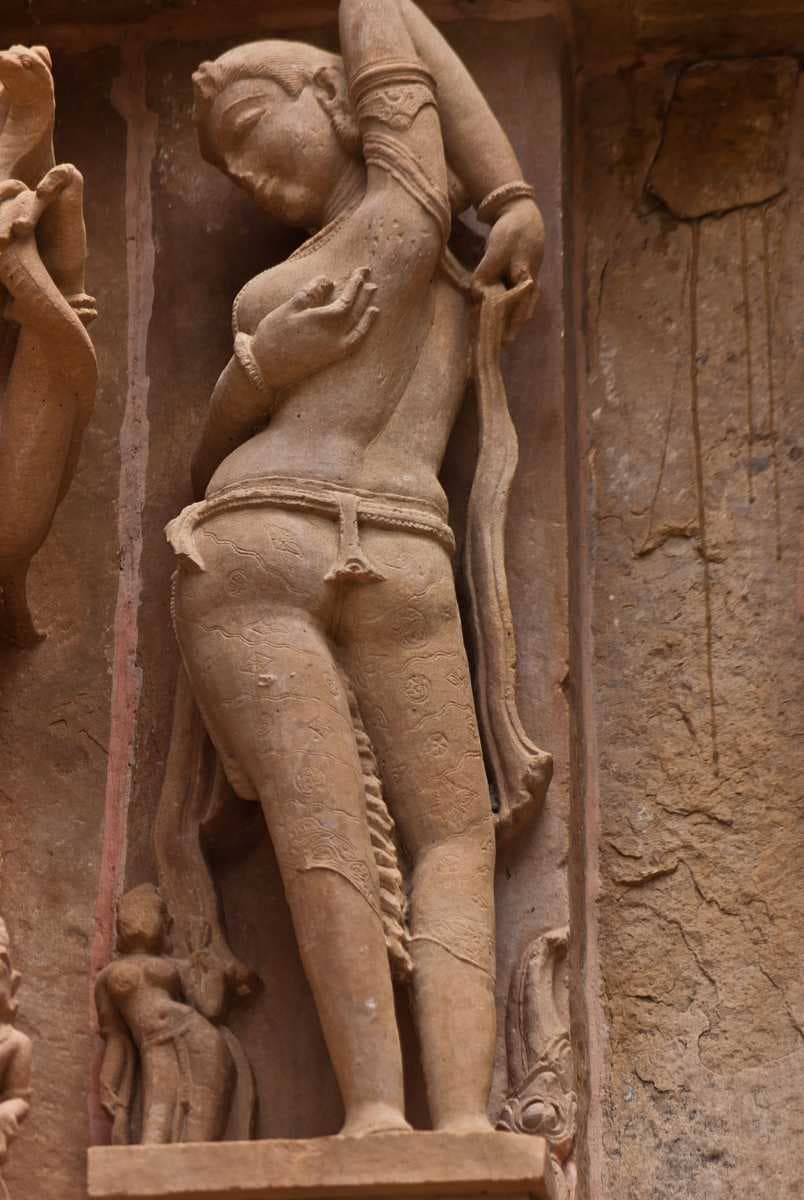
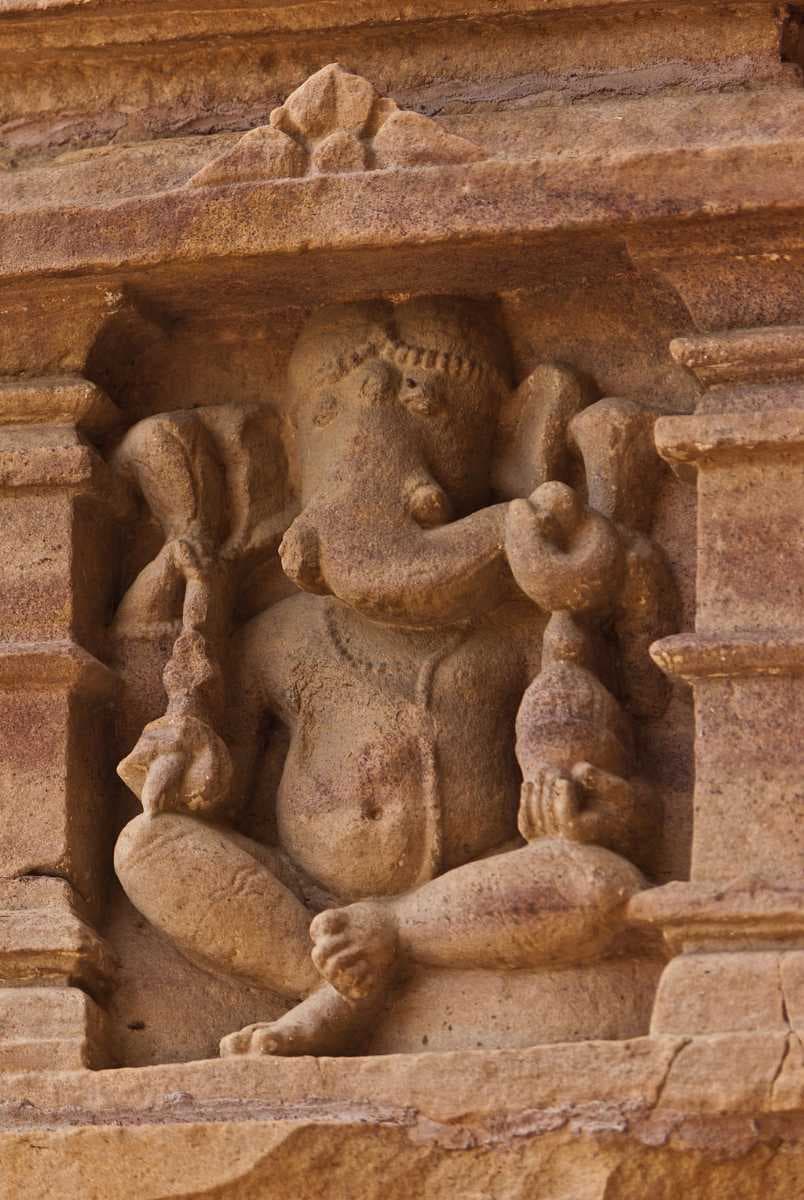
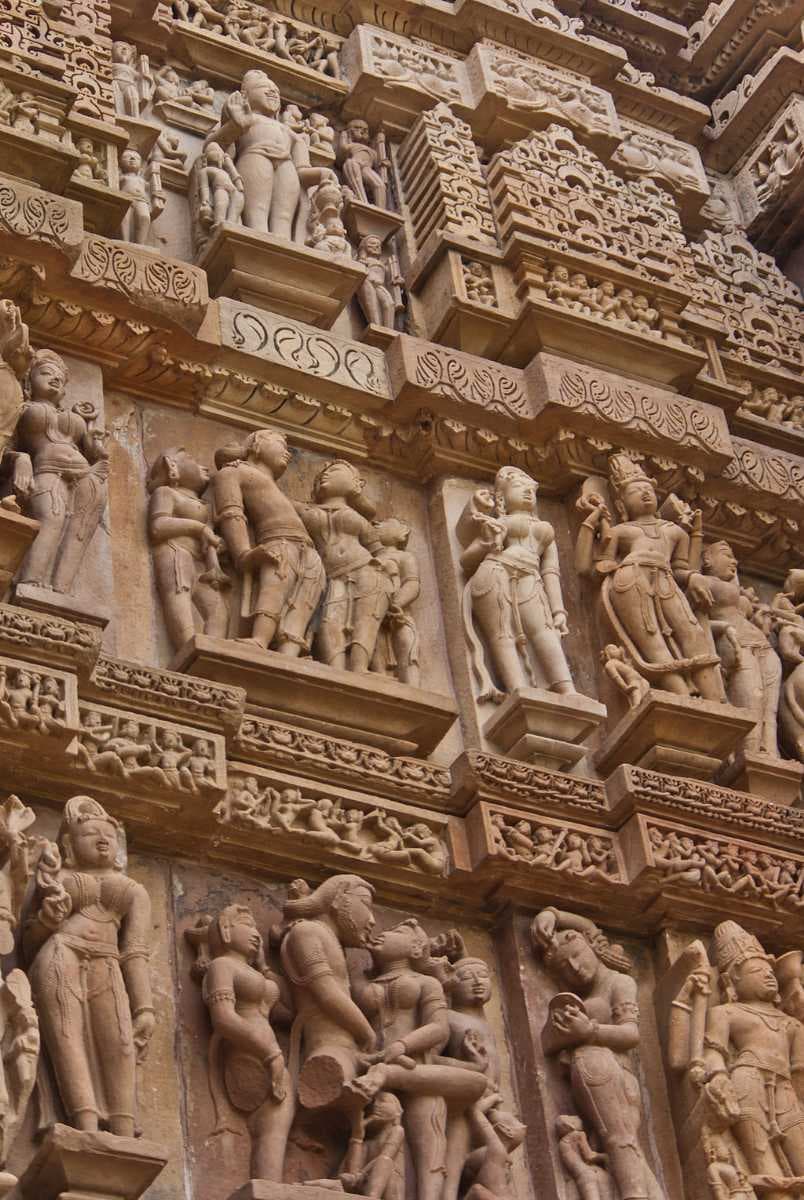
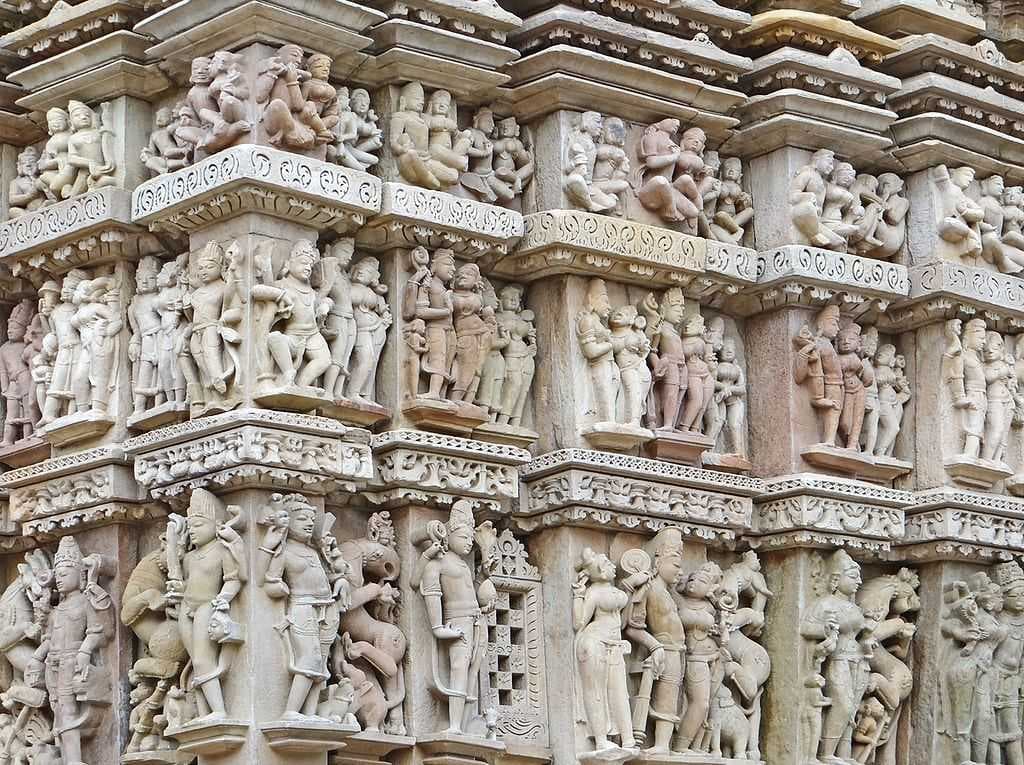
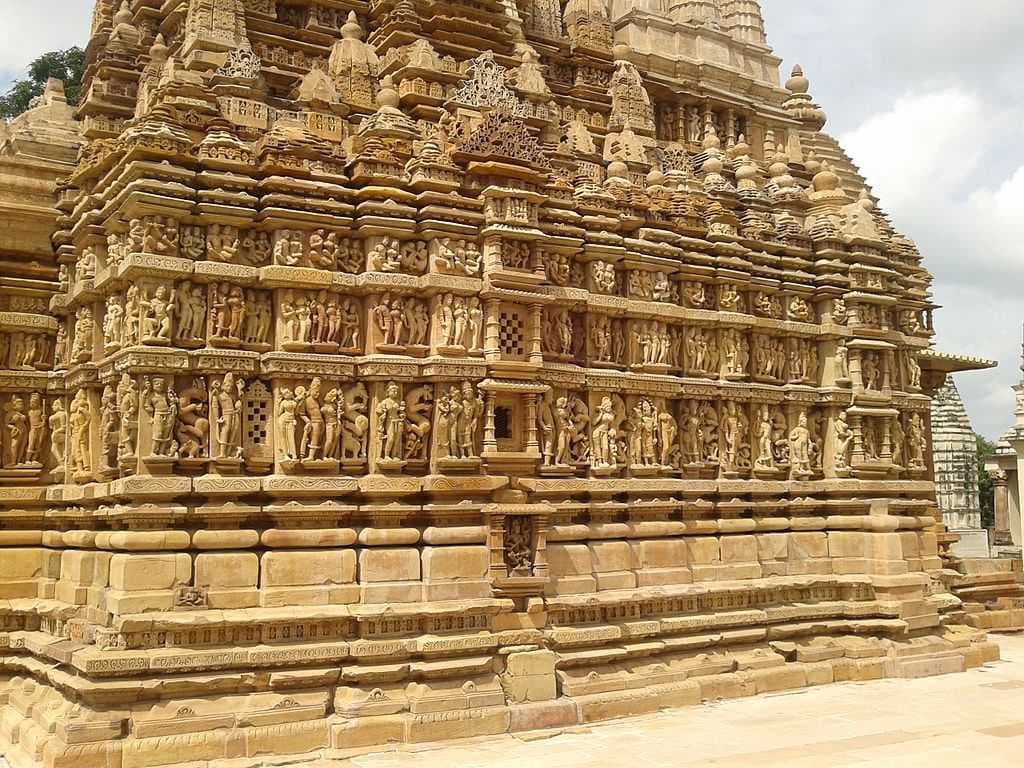
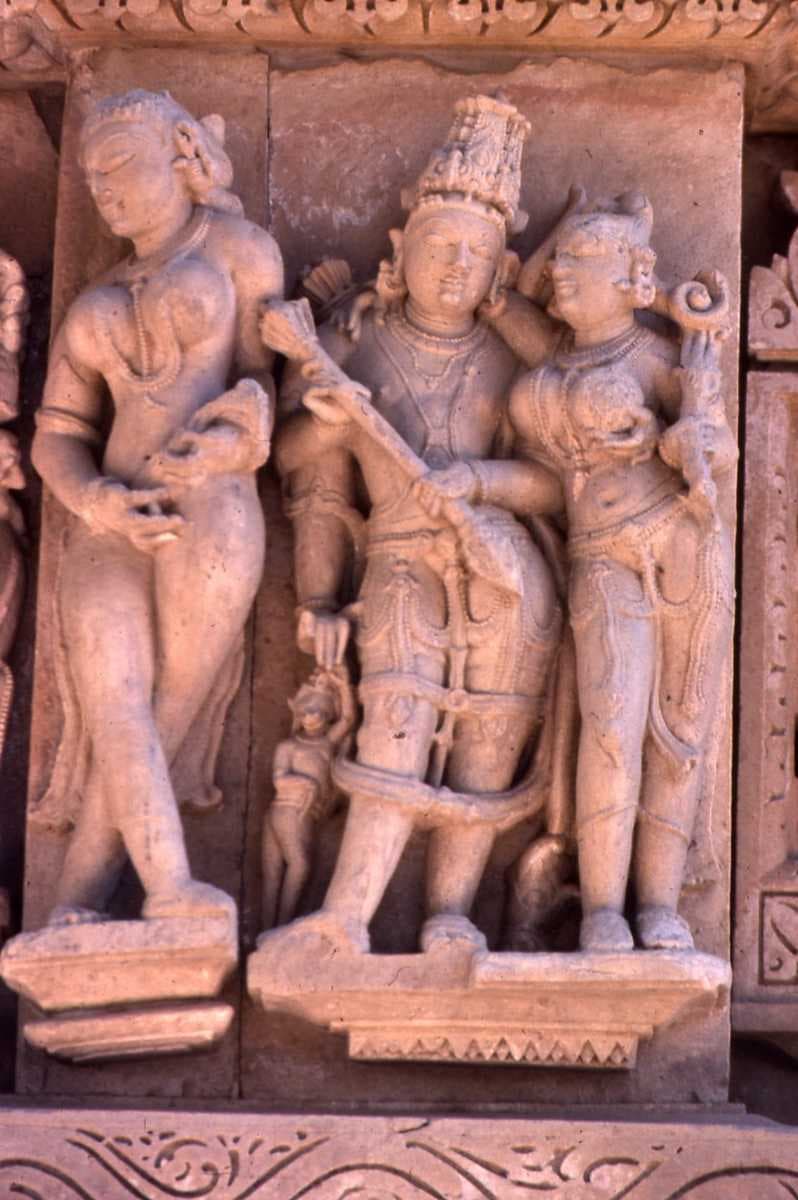
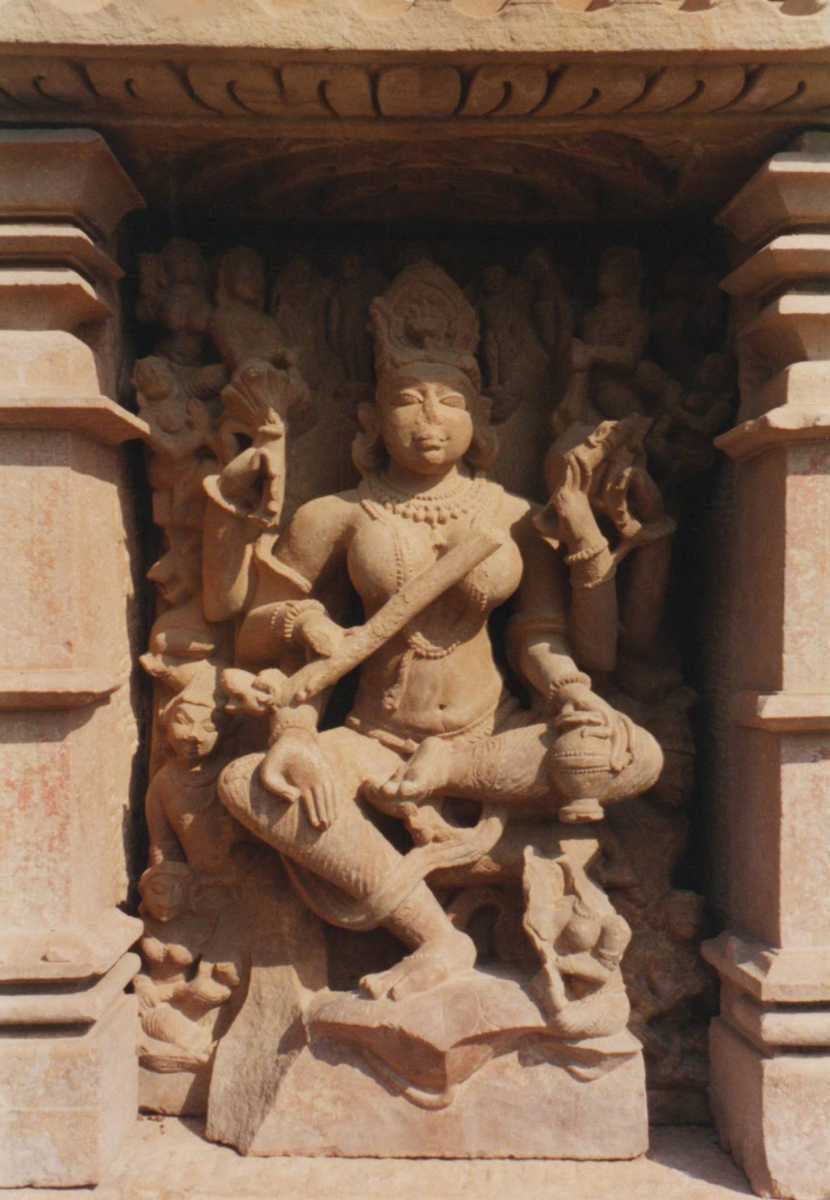
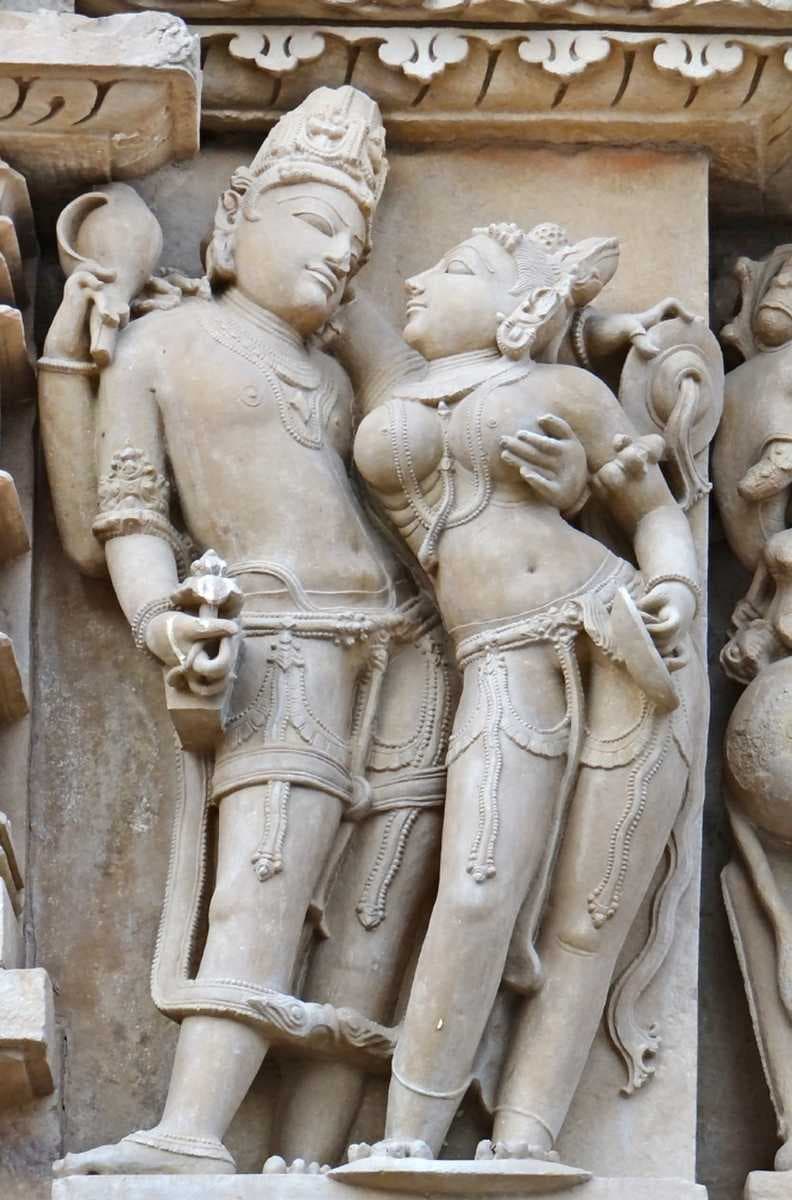
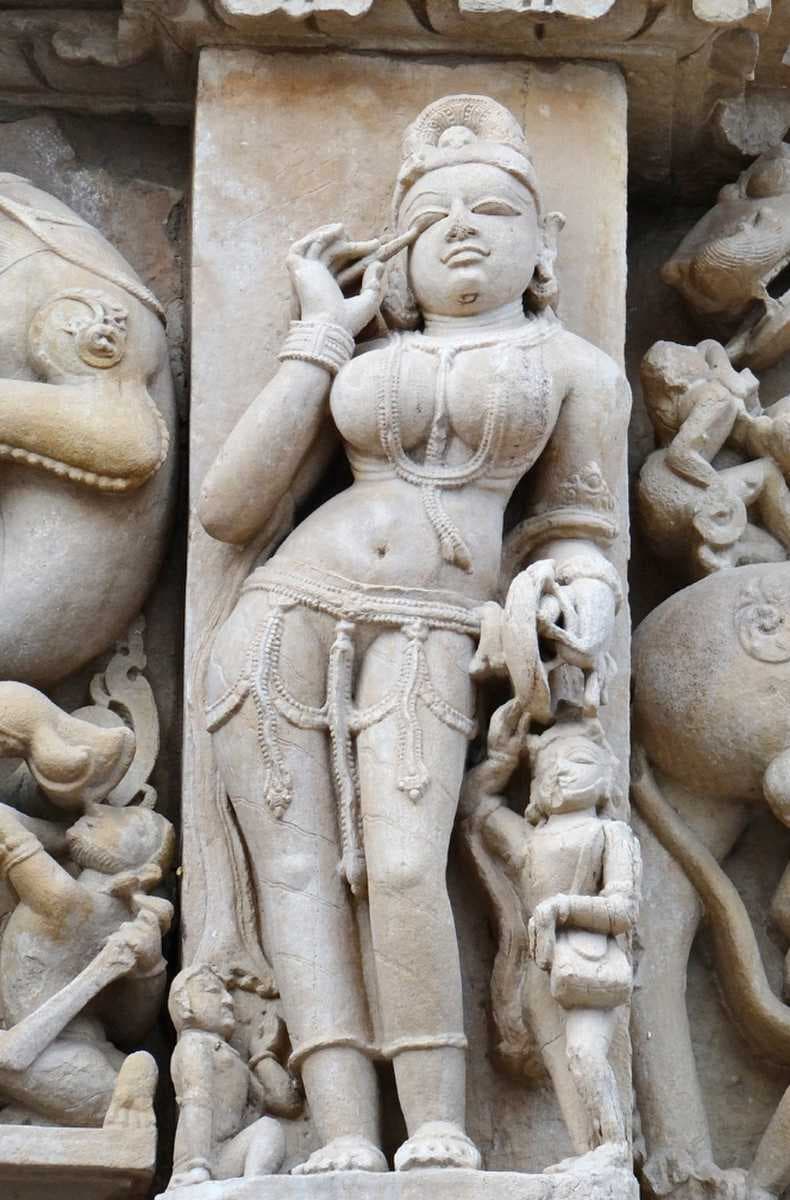
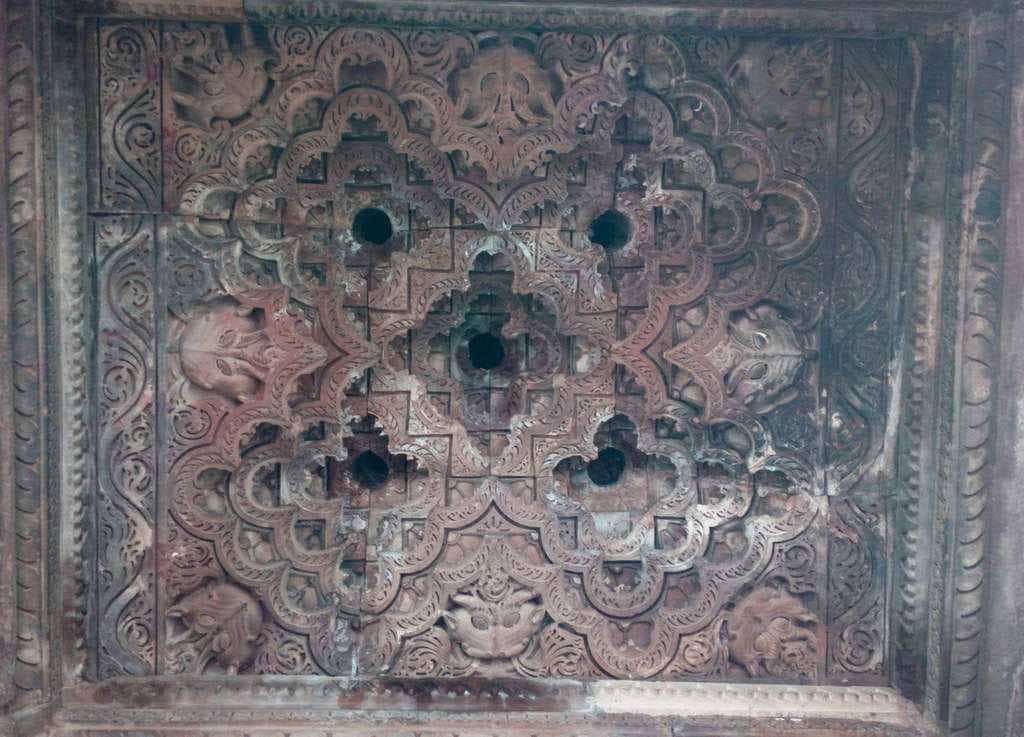
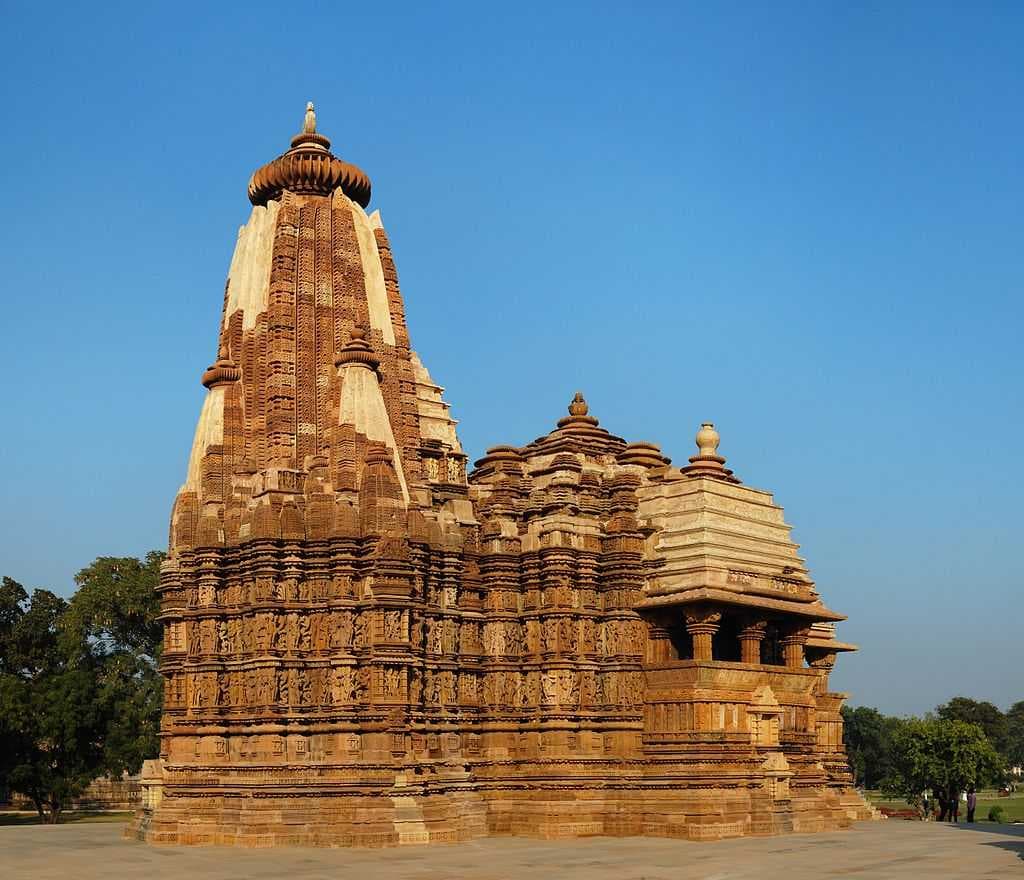
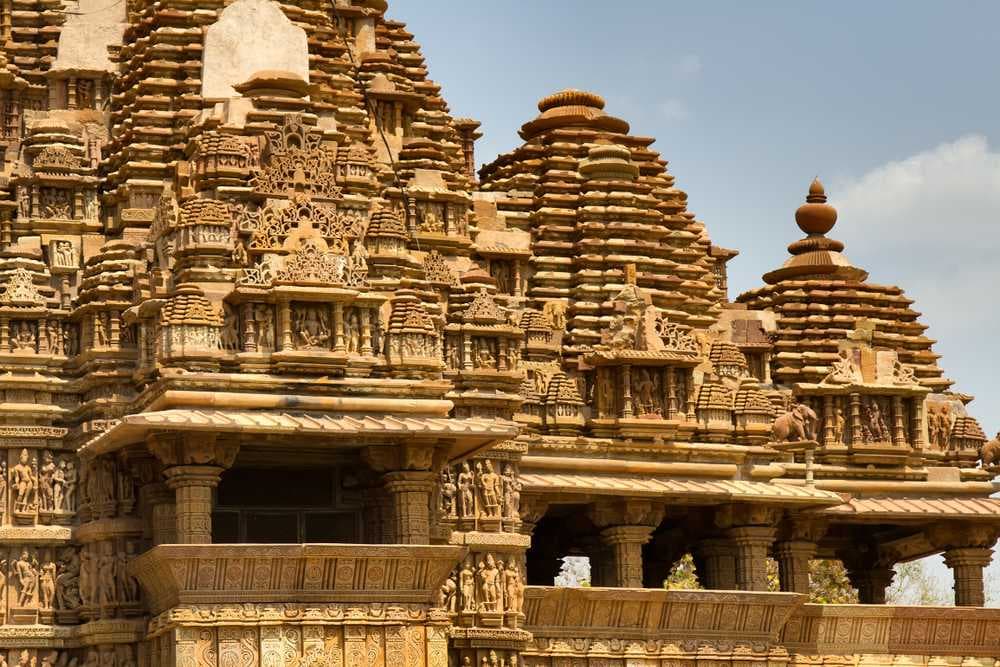
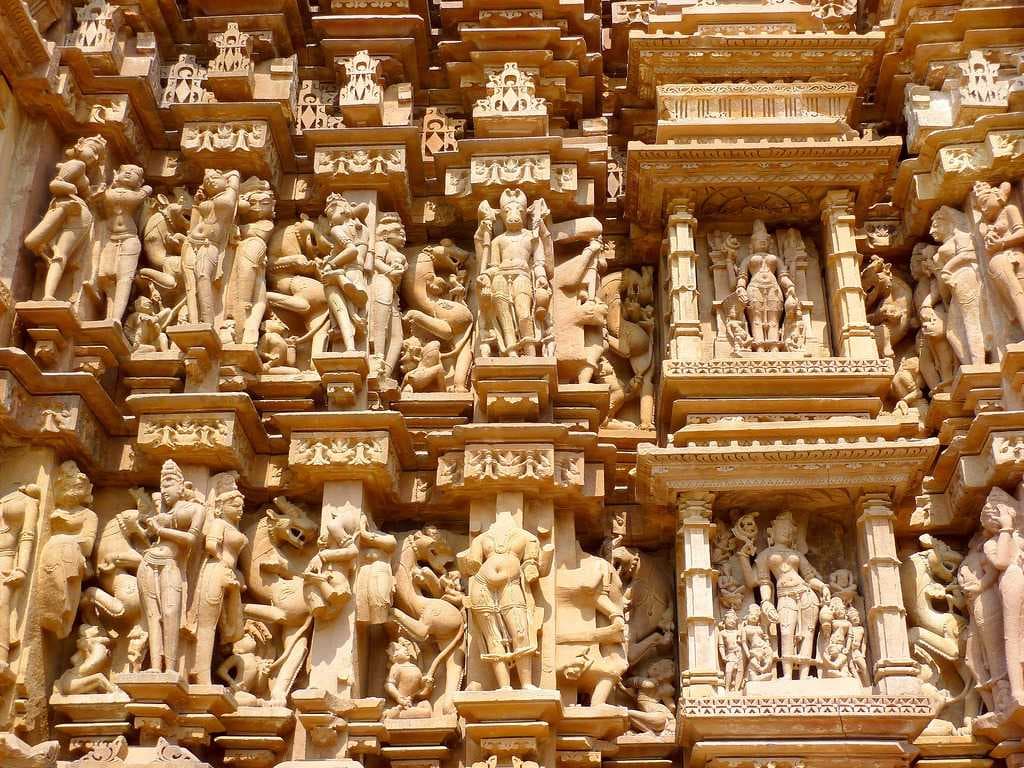
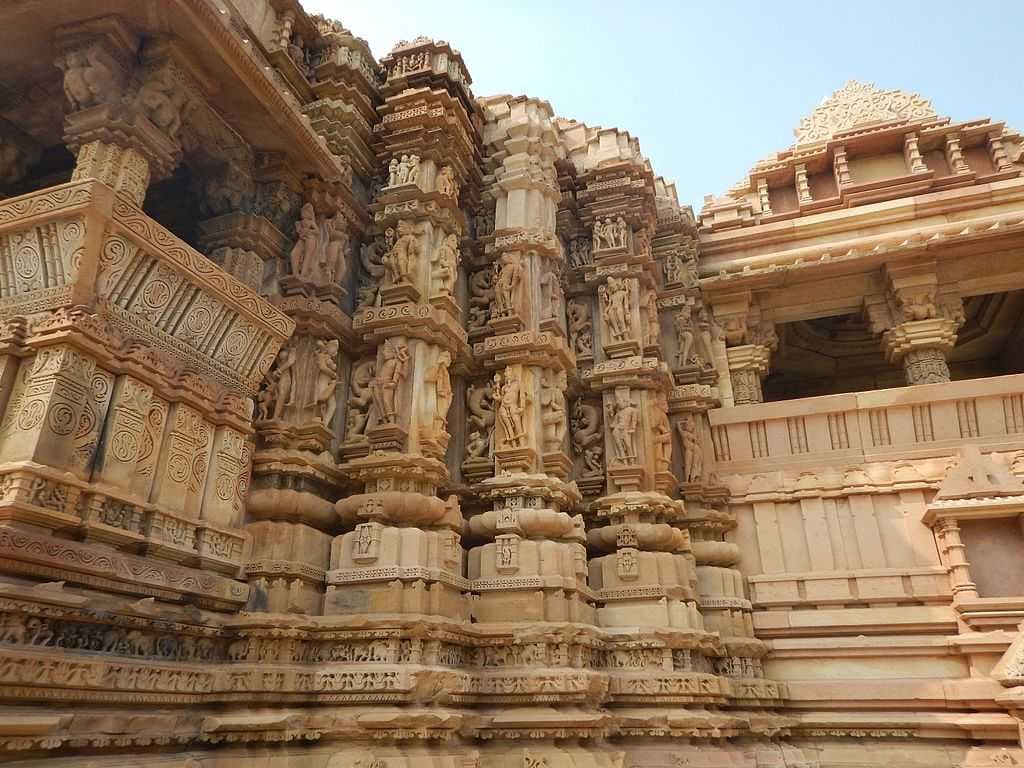
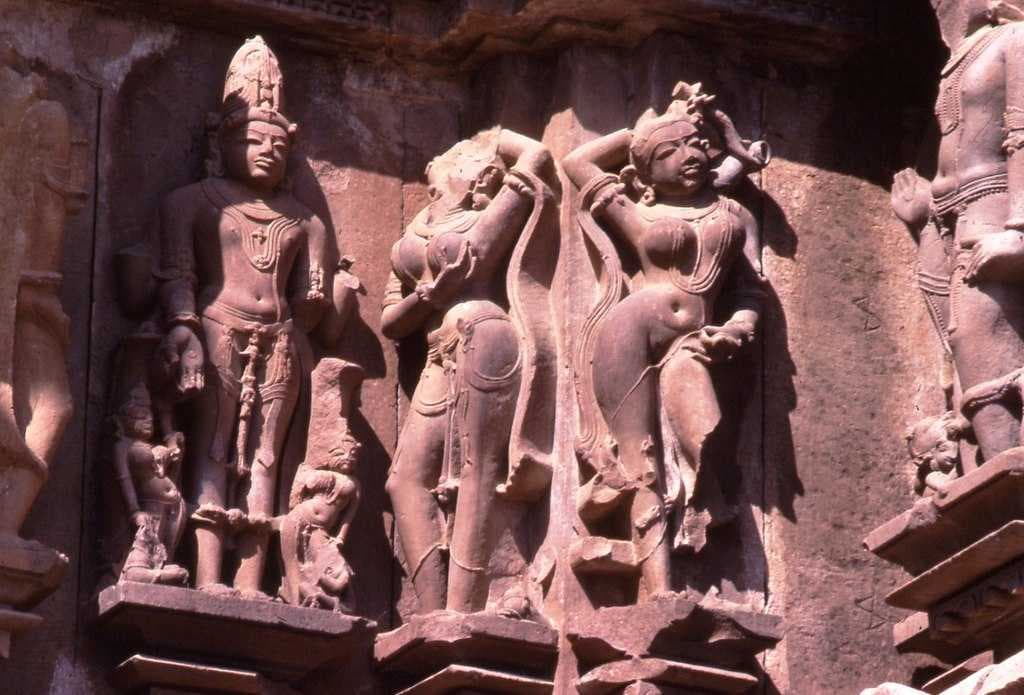
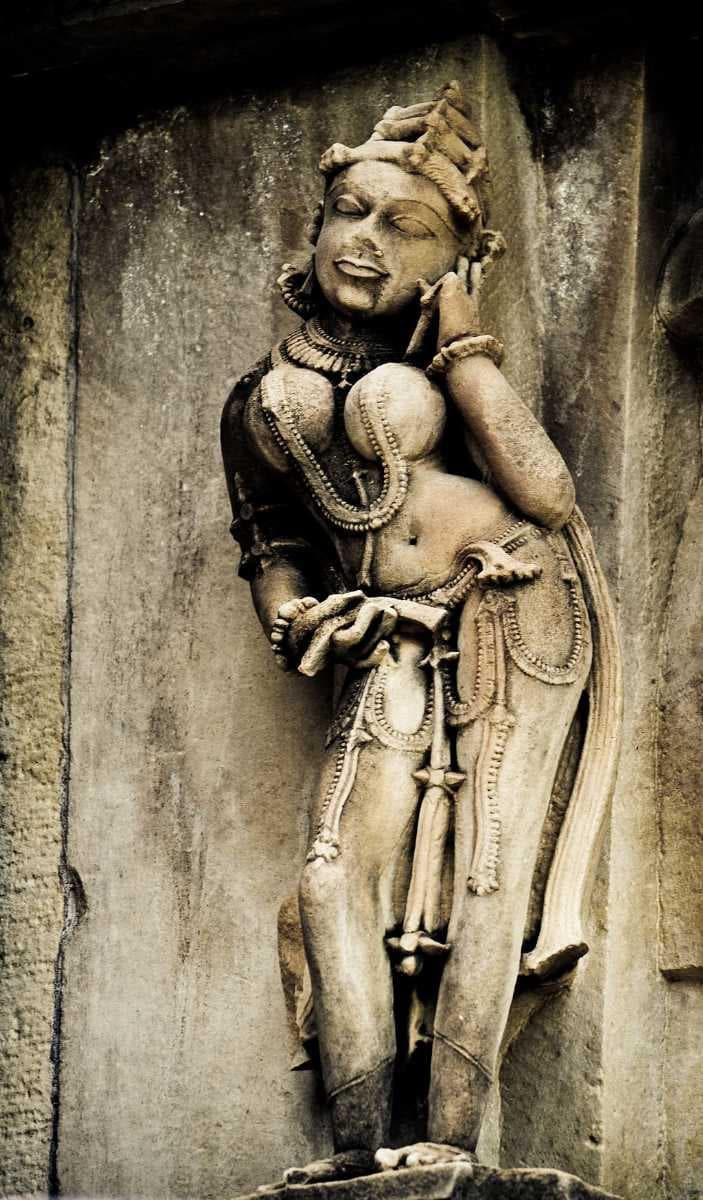
As you approach the temples, prepare to be awestruck. The Western Group, the crown jewels of Khajuraho, greet you with an explosion of detail. Sunlight plays hide and seek on the intricately carved sandstone, weaving tales of celestial dancers, celestial musicians, and divine couples locked in eternal embrace.
Step into the Temple of Love:
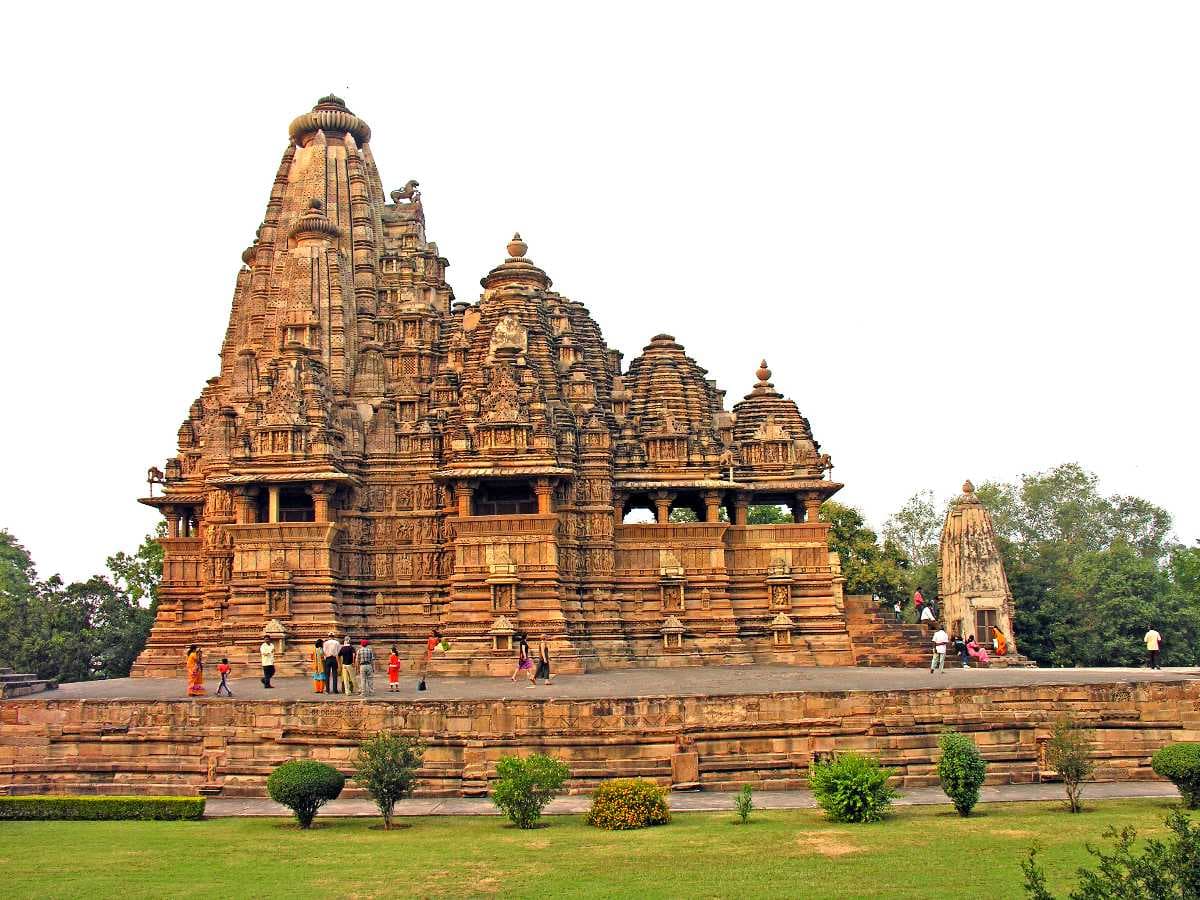
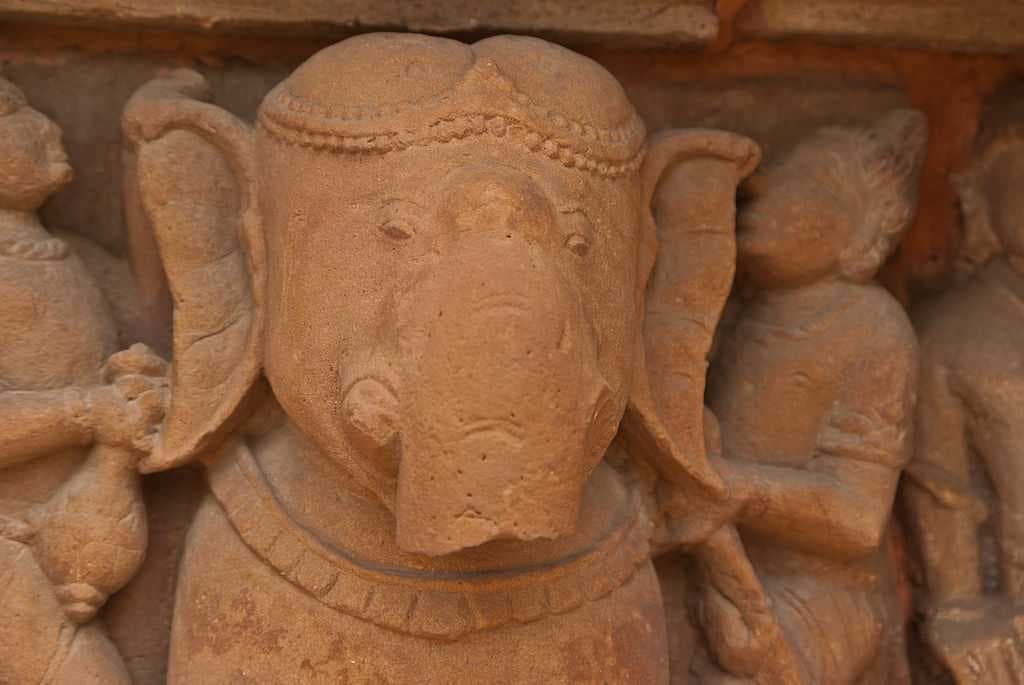
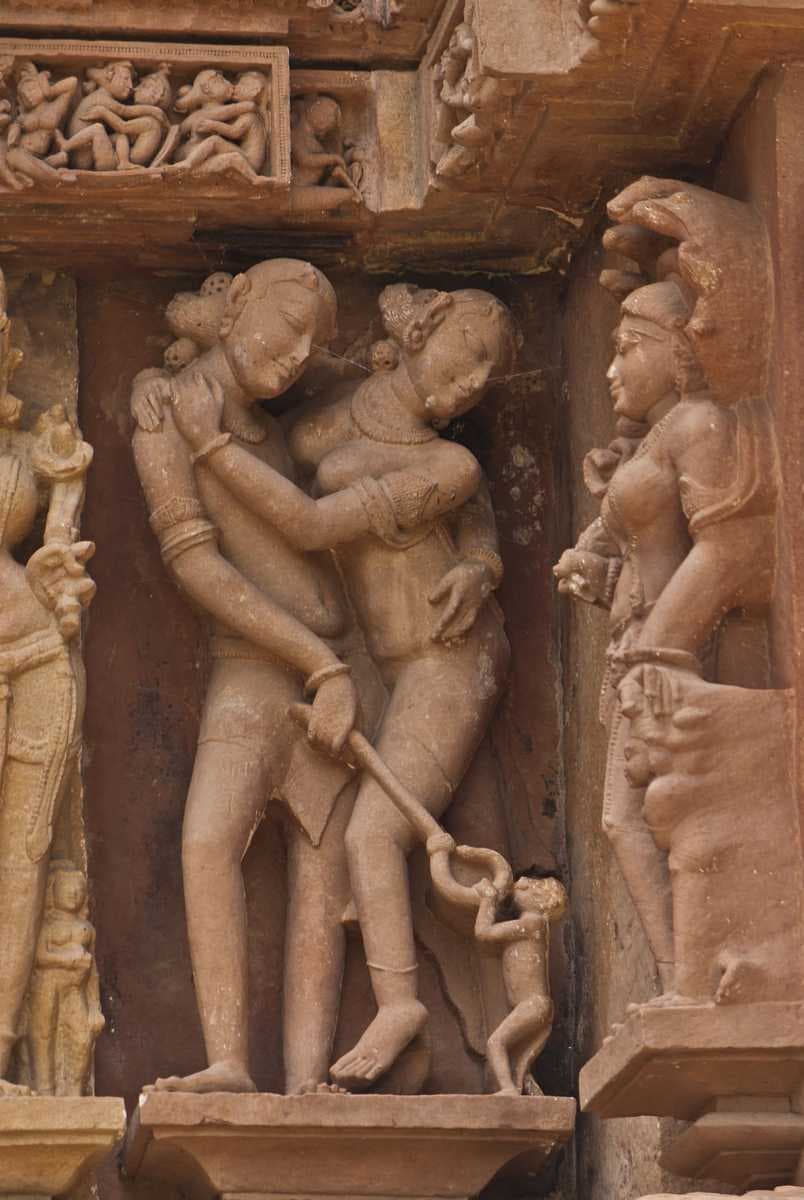
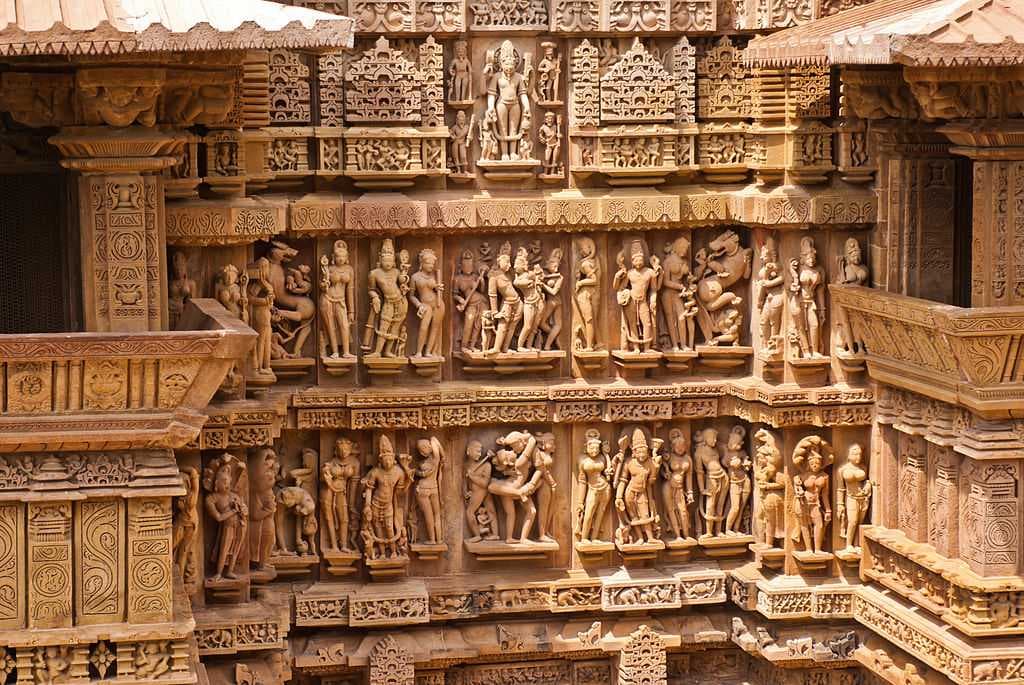
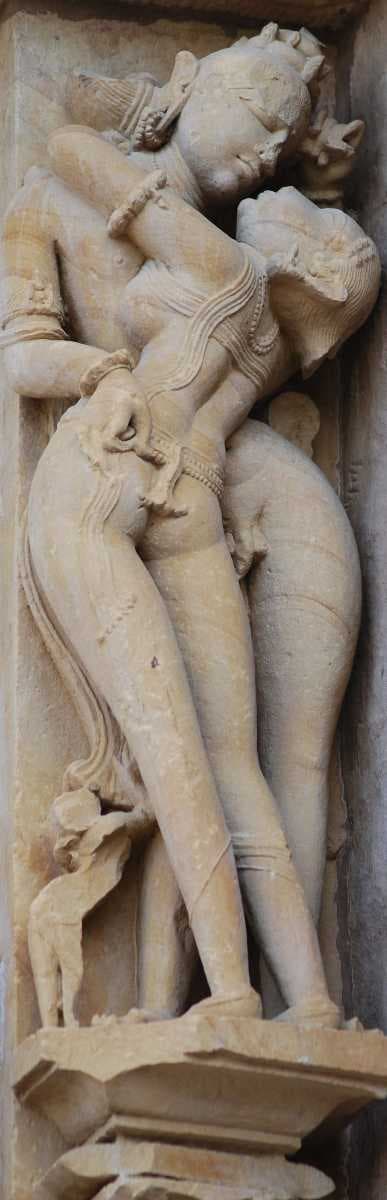
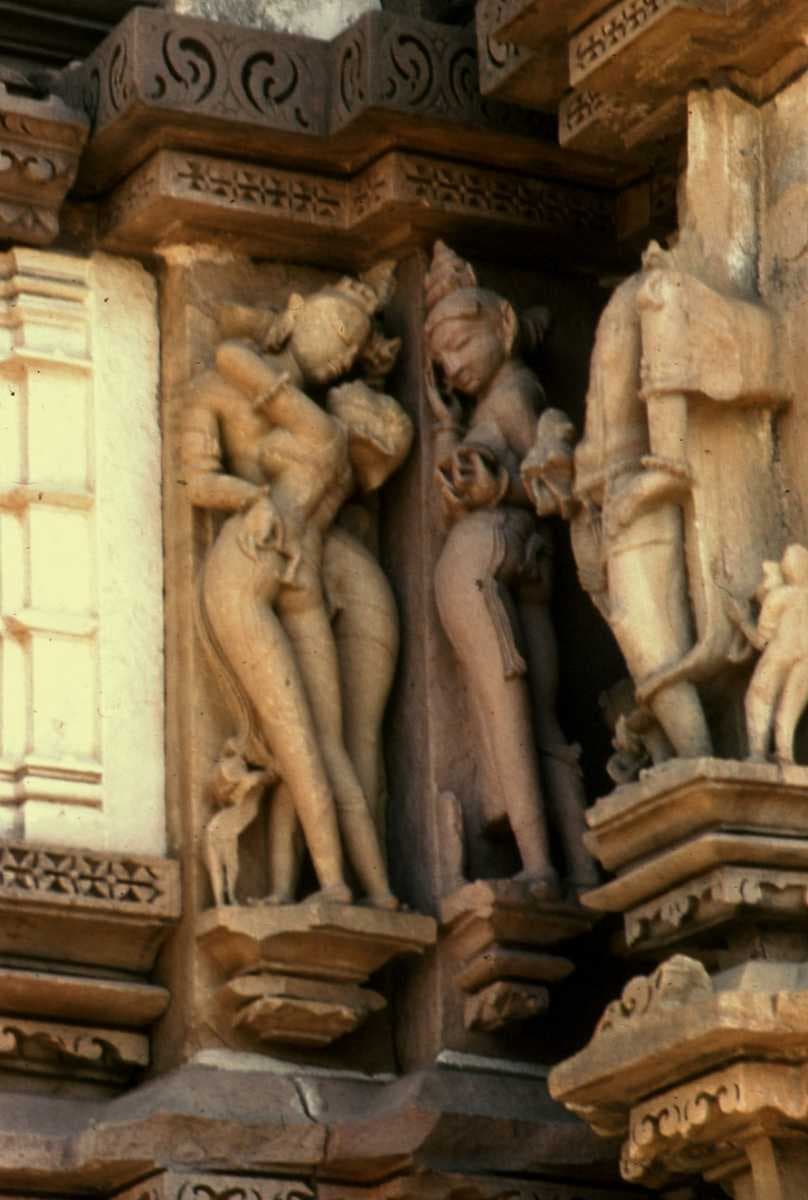
The Kandariya Mahadeva Temple, the magnum opus of Khajuraho, beckons with its towering height and intricate friezes. Here, amidst celestial nymphs and mythical beasts, you'll find carvings that celebrate the human form in all its glory. Don't be surprised to encounter scenes from the Kama Sutra, intertwined with divine narratives and spiritual allegories. This is not just about physical pleasure; it's a celebration of life, fertility, and the interconnectedness of all things.
Journey Beyond the Erotic:
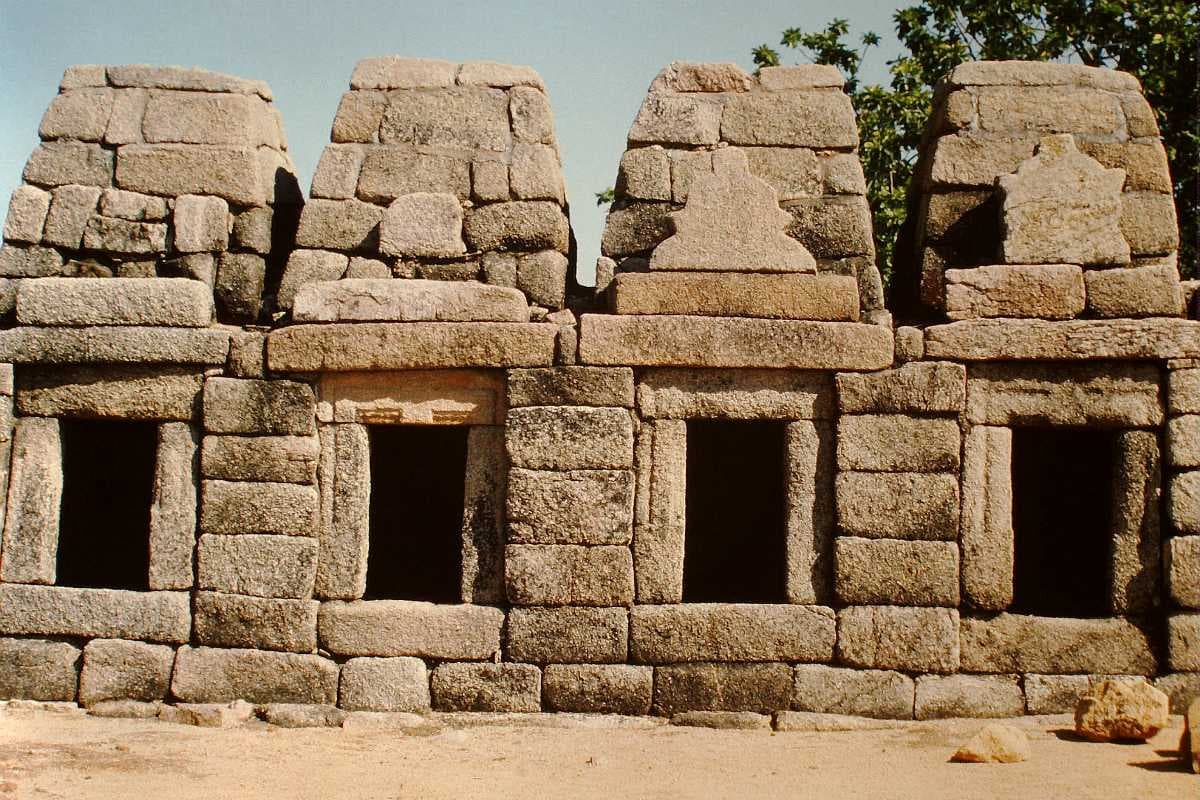
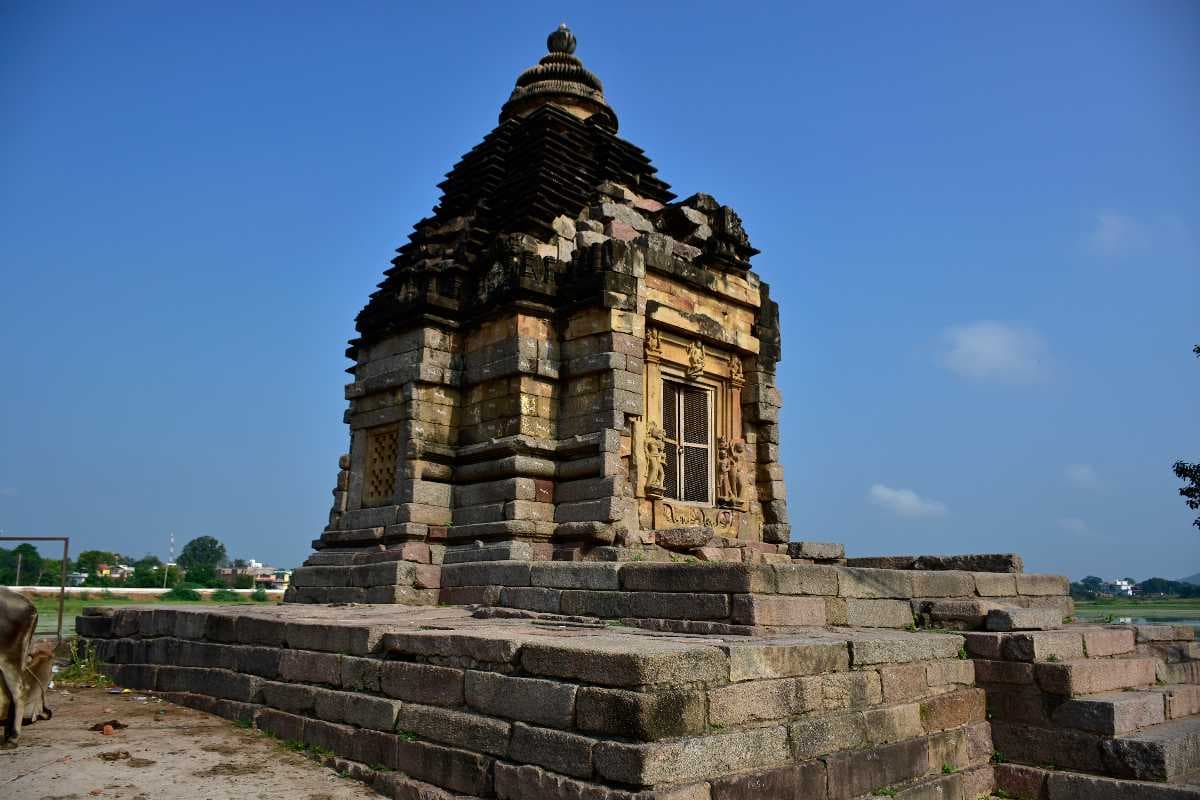
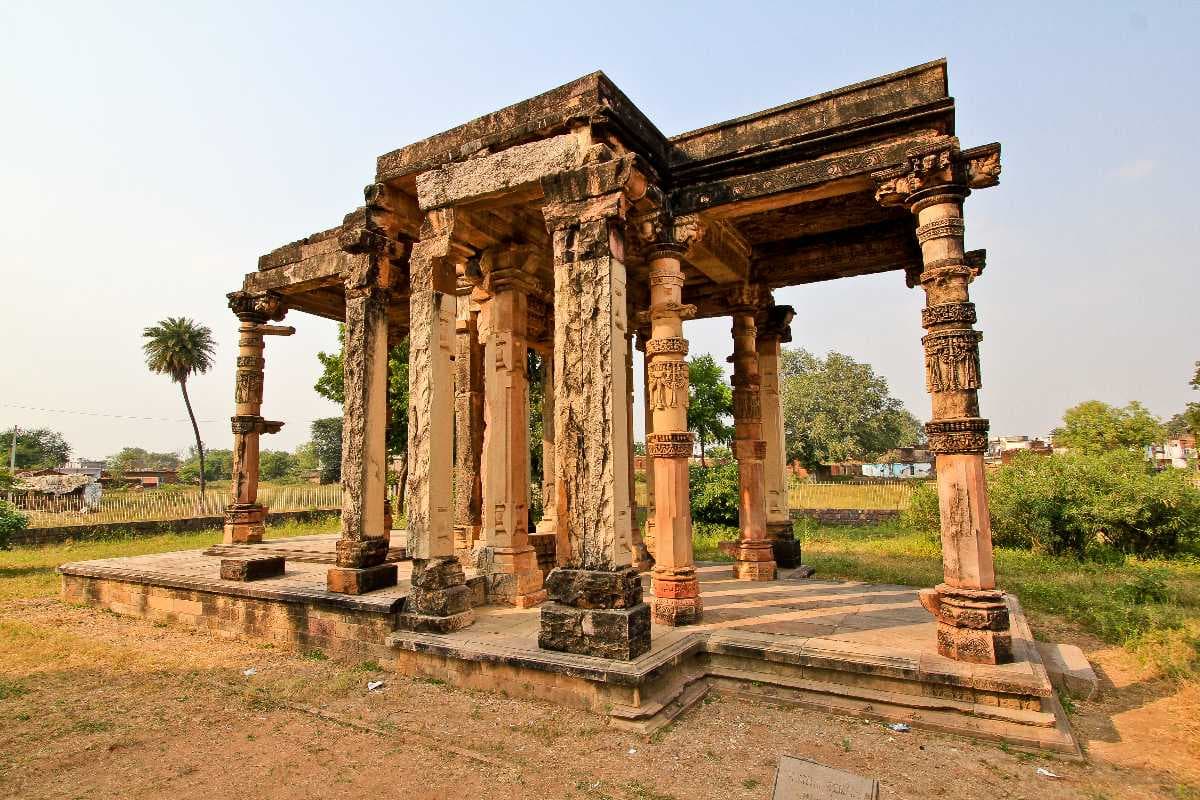
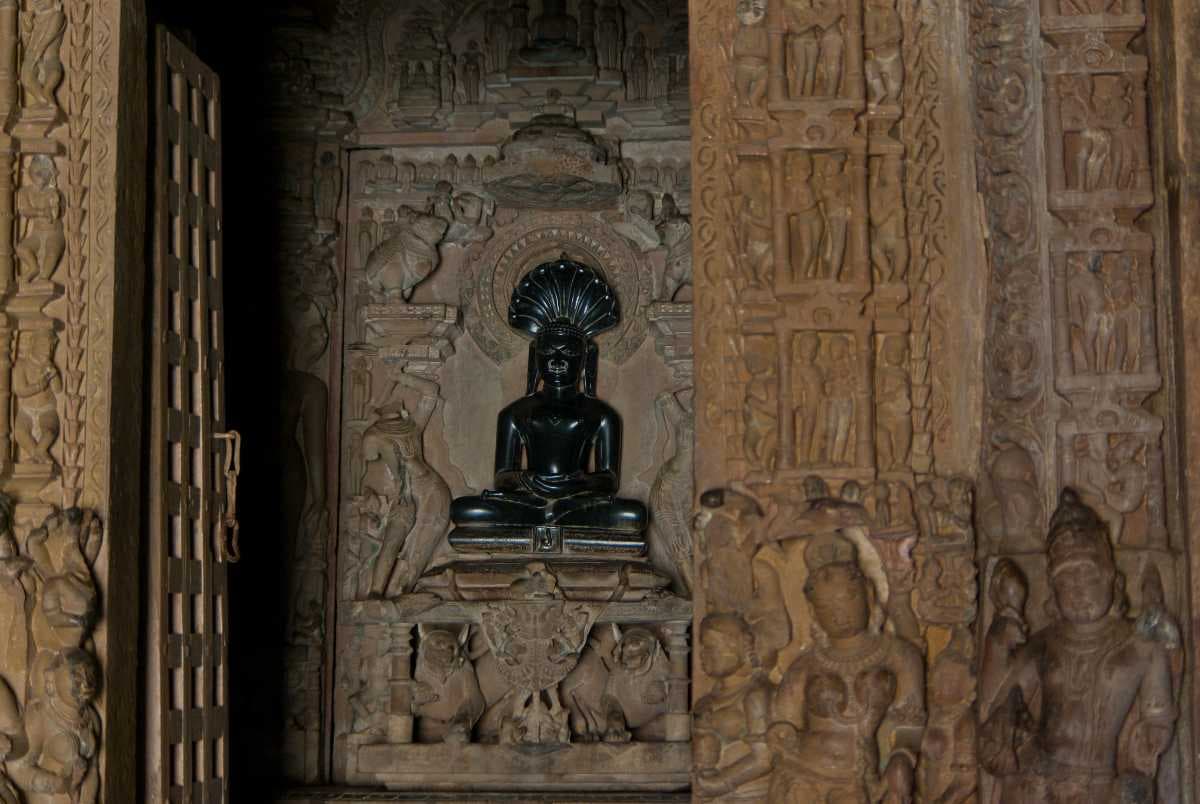
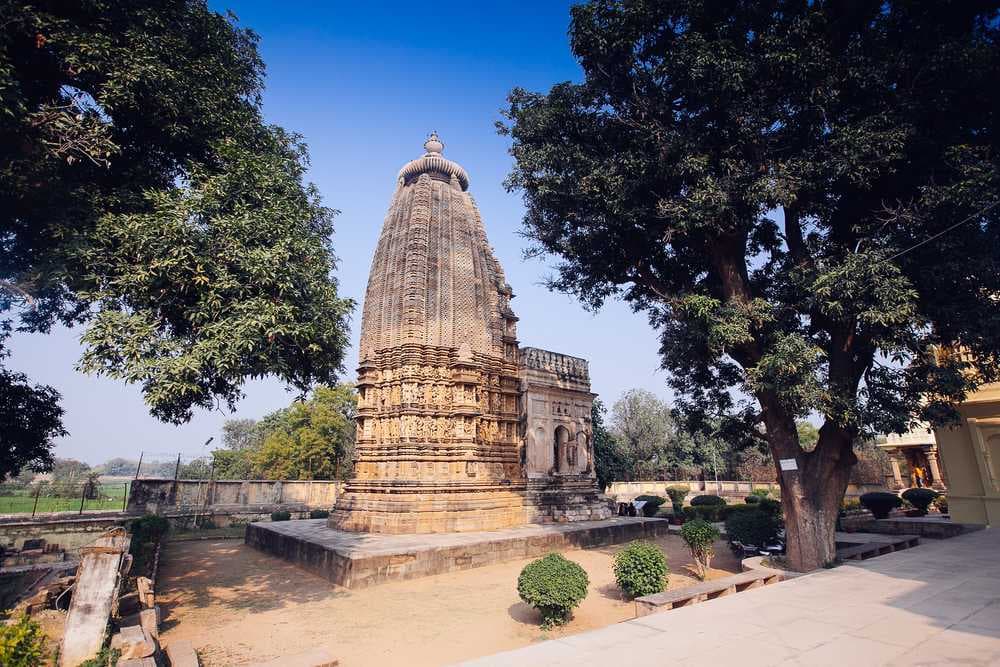
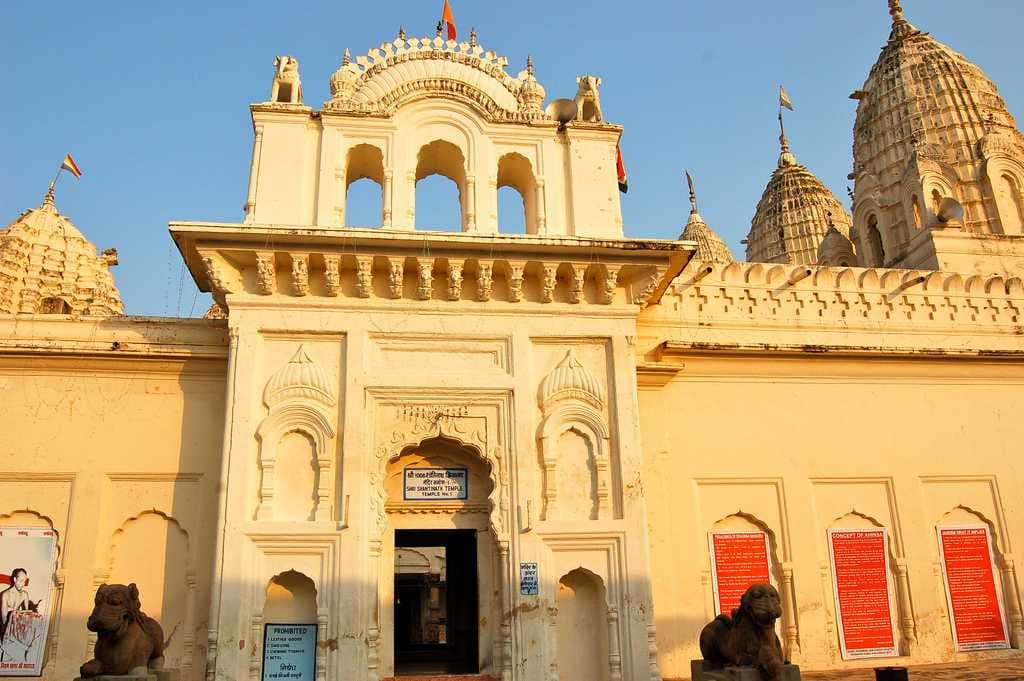
While the sensual sculptures might grab your attention initially, Khajuraho offers much more. Walk through the Eastern Group, where Jain temples boast geometric precision and serene apsaras (celestial dancers). Delve into the Southern Group, where Hindu and Jain monuments stand side-by-side, a testament to the religious tolerance of the Chandela Dynasty.
Experience the Magic Beyond Stone:
Khajuraho is more than just a collection of temples. As the sun dips below the horizon, attend the Sound and Light Show, where ancient tales come alive against the backdrop of the illuminated temples. Wander through the bustling Khajuraho market, picking up exquisite souvenirs carved from the same sandstone that whispers centuries-old stories.
Khajuraho is a sensory feast, a place where history hums in the air and art speaks volumes. It's a challenge to conventional narratives, a celebration of life in all its raw beauty, and a reminder of the artistic brilliance that once flourished in this corner of India.
Planning your Khajuraho Encounter:
- Best time to visit: October to March, when the weather is pleasant.
- Dress code: Wear modest clothing, as temple etiquette requires covered shoulders and knees.
- Photography: Allowed in most areas, but respect local customs and avoid photographing sensitive sculptures.
- Guides: Consider hiring a guide to understand the symbolism and stories behind the carvings.
So, if you're ready for an adventure that awakens your senses, pushes your boundaries, and leaves you breathless, Khajuraho awaits. Pack your curiosity, a camera with an open lens, and an open mind, and prepare to be swept away by the magic of this sandstone symphony.
I hope this description gives you a glimpse into the captivating world of Khajuraho. Do you have any specific questions about your trip or things you'd like to know more about?