


Gyeongju, South Korea, aptly nicknamed the "museum without walls," is an open-air treasure trove of history and cultural wonders. As the former capital of the Silla Dynasty for nearly a millennium, the city boasts an unparalleled collection of ancient tombs, temples, pagodas, and palace ruins, transporting visitors back to a glorious past. Beyond its historical significance, Gyeongju offers stunning natural landscapes, vibrant festivals, and a unique blend of tradition and modernity.
Step Back in Time:
- Gyeongju National Museum: Explore the largest museum in Korea, housing a vast collection of artifacts showcasing the Silla Dynasty's art, culture, and daily life.Gyeongju National Museum, South Korea
- Bulguksa Temple: Witness the UNESCO-listed Bulguksa Temple, a masterpiece of Buddhist architecture adorned with intricate carvings and statues. Witness the serene Seokguram Grotto, housing the monumental Buddha statue carved into the granite cliff.Bulguksa Temple, South Korea
- Royal Tombs: Delve into the burial mounds of Silla royalty, like the Tumulus of King Geumgwan, offering a glimpse into their burial practices and treasures.Royal Tombs, Gyeongju, South Korea
- Gyeongju Gyochon Hanok Village: Wander through this charming village lined with traditional Korean houses (hanoks), experiencing the preserved architectural style and local culture.Gyeongju Gyochon Hanok Village, South Korea
Embrace Nature's Beauty:
- Seoraksan National Park: Hike through the breathtaking mountains of Seoraksan National Park, offering stunning landscapes, diverse flora and fauna, and panoramic views.Seoraksan National Park, South Korea
- Bomun Lake: Take a peaceful stroll or boat ride on Bomun Lake, surrounded by lush greenery and serene temples, like the Gyerim Forest Hermitage.Bomun Lake, South Korea
- Cheomseongdae Observatory: Climb to the top of this ancient astronomical observatory for panoramic views of Gyeongju and the surrounding mountains.Cheomseongdae Observatory, South Korea
Immerse in Local Flavors:
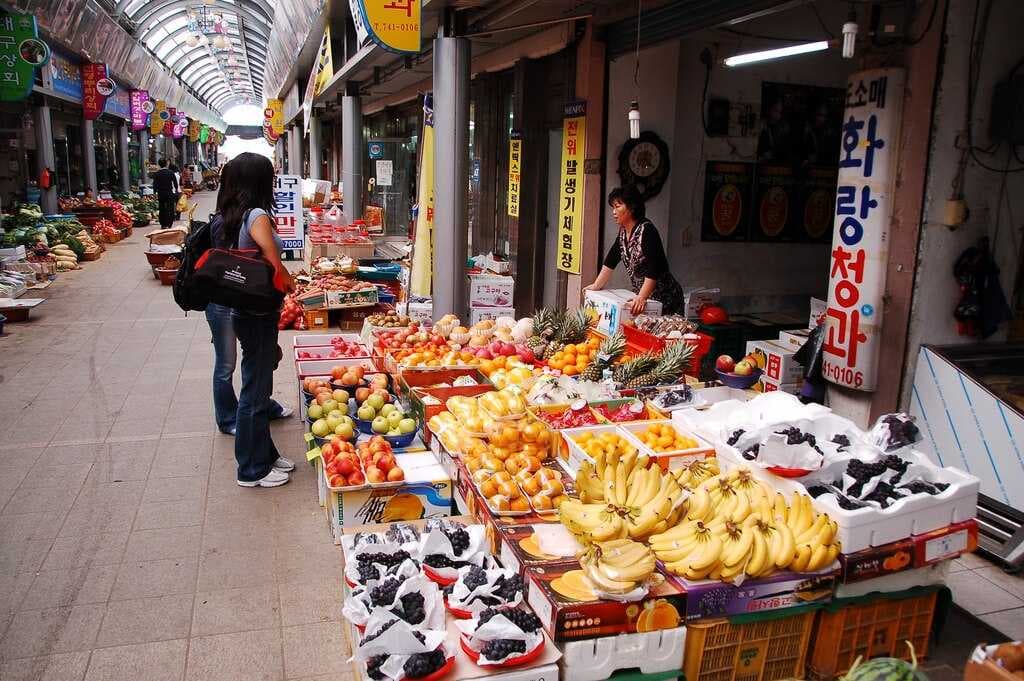
Gyeongju Traditional Food Market: Sample local specialties like bindae-tteok (mung bean pancakes), japchae (stir-fried glass noodles), and pajeon (savory pancake), experiencing the diverse culinary scene.
Gyeongju Traditional Food Market, South KoreaMakgeolli Alley: Explore this lively alleyway lined with traditional makgeolli (Korean rice wine) breweries, offering tastings and a vibrant atmosphere.
Tea Ceremonies: Participate in a traditional Korean tea ceremony, enjoying the tranquility and learning about the cultural significance of tea.
Experience Culture and Events:
- Silla Cultural Festival: Immerse yourself in this vibrant festival celebrating Silla Dynasty traditions through cultural performances, traditional games, and exhibitions.Silla Cultural Festival, Gyeongju, South Korea
- Gyeongju Lantern Festival: Witness the dazzling spectacle of thousands of lanterns illuminating the night sky during this winter festival.Gyeongju Lantern Festival, South Korea
- Gyeongju Traditional Performance: Enjoy a mesmerizing performance of Korean traditional music and dance, showcasing the rich cultural heritage.
Getting There and Around:
- Gyeongju is easily accessible by train or bus from major cities like Busan and Seoul.
- Explore the city by renting a bicycle, using the convenient public transportation system, or joining guided tours.
Remember: Gyeongju offers something for everyone, whether you're a history buff, nature enthusiast, or cultural explorer. With its unique blend of ancient treasures and modern charm, this city promises an unforgettable journey into the heart of Korean history and culture.
I hope this description helps you plan your trip to Gyeongju!