
![The word Yona for "Greek" in the Girnar 2nd Major Rock Edict of Ashoka. The word is part of the phrase "Amtiyako Yona Raja" (The Greek King Antiochus).[72]](/_next/image?url=https%3A%2F%2Ftripscraperstorage.blob.core.windows.net%2Ftripscraper%2FImages%2FIndia%2Fplaces%2FDhauli%2FAshoka%20Rock%20Edicts%2F2.jpg&w=3840&q=75)
![The Edicts of Ashoka started a tradition of epigraphical inscriptions.[121] 1800 years separate these two inscriptions: Brahmi script of the 3rd century BCE (Major Pillar Edict of Ashoka), and its derivative, 16th century CE Devanagari script (1524 CE), on the Delhi-Topra pillar.](/_next/image?url=https%3A%2F%2Ftripscraperstorage.blob.core.windows.net%2Ftripscraper%2FImages%2FIndia%2Fplaces%2FDhauli%2FAshoka%20Rock%20Edicts%2F3.jpg&w=3840&q=75)



![Top: Wheels in Egyptian temples according to Hero of Alexandria.[93] Bottom: Possible wheel and trisula symbol on Ptolemaic tombstones in Egypt.[93]](/_next/image?url=https%3A%2F%2Ftripscraperstorage.blob.core.windows.net%2Ftripscraper%2FImages%2FIndia%2Fplaces%2FDhauli%2FAshoka%20Rock%20Edicts%2F8.jpg&w=3840&q=75)


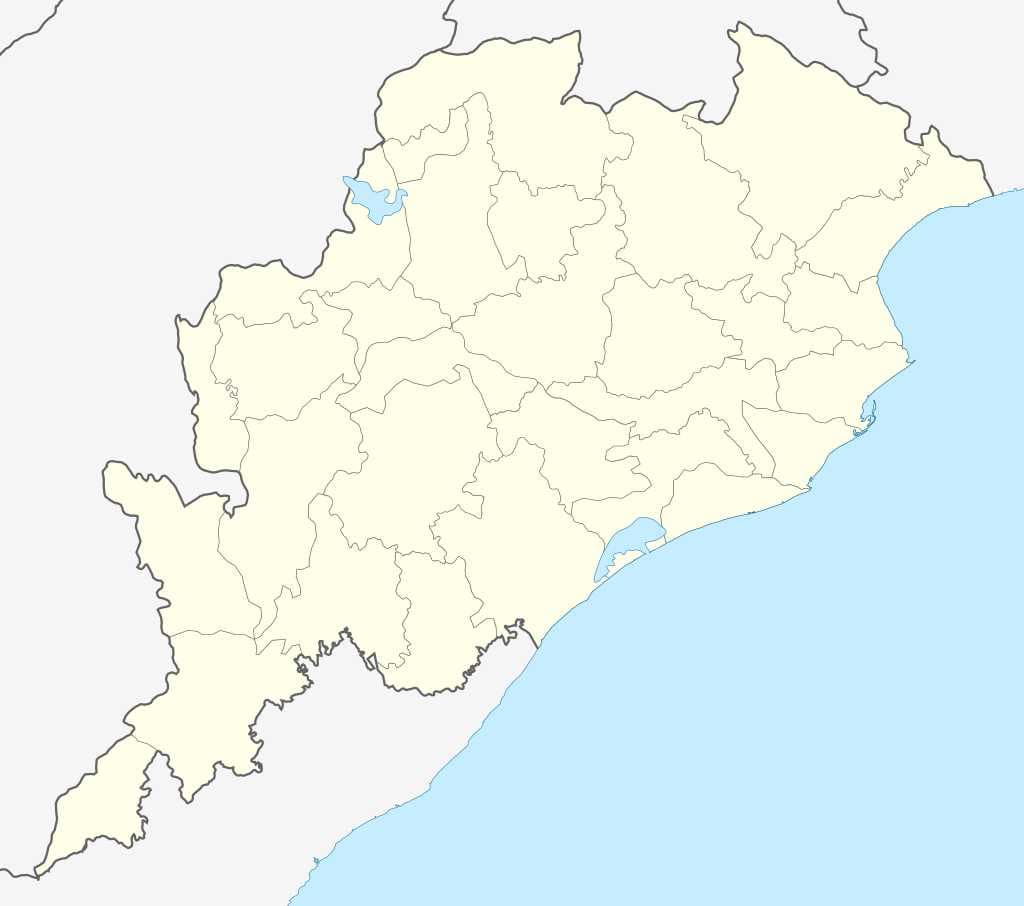
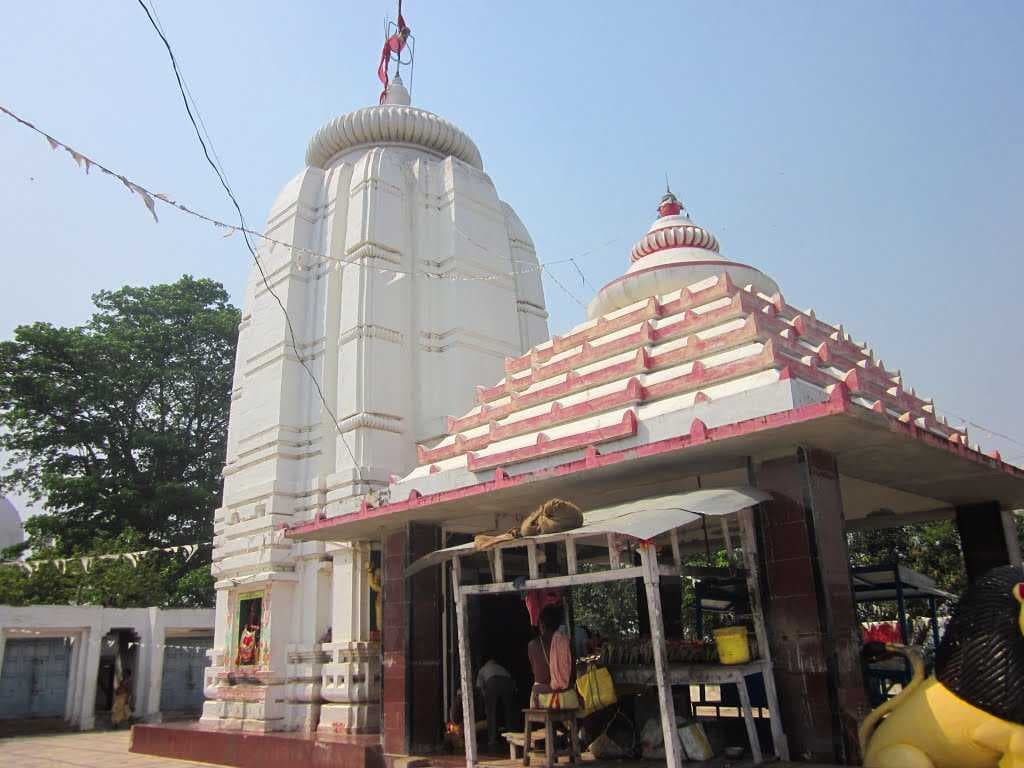
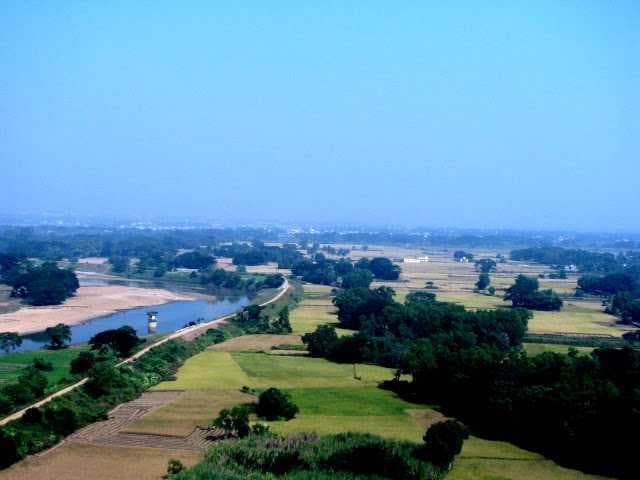
As you near Dhauli, a whisper of peace seems to carry on the warm Odia breeze. Nestled beside the serene Daya River, 8 kilometers south of Bhubaneswar, this small town holds a weight far greater than its size. Dhauli is a canvas painted with the brushstrokes of history, spirituality, and artistic reverie, waiting to be explored.
Echoes of Ashoka's Transformation:
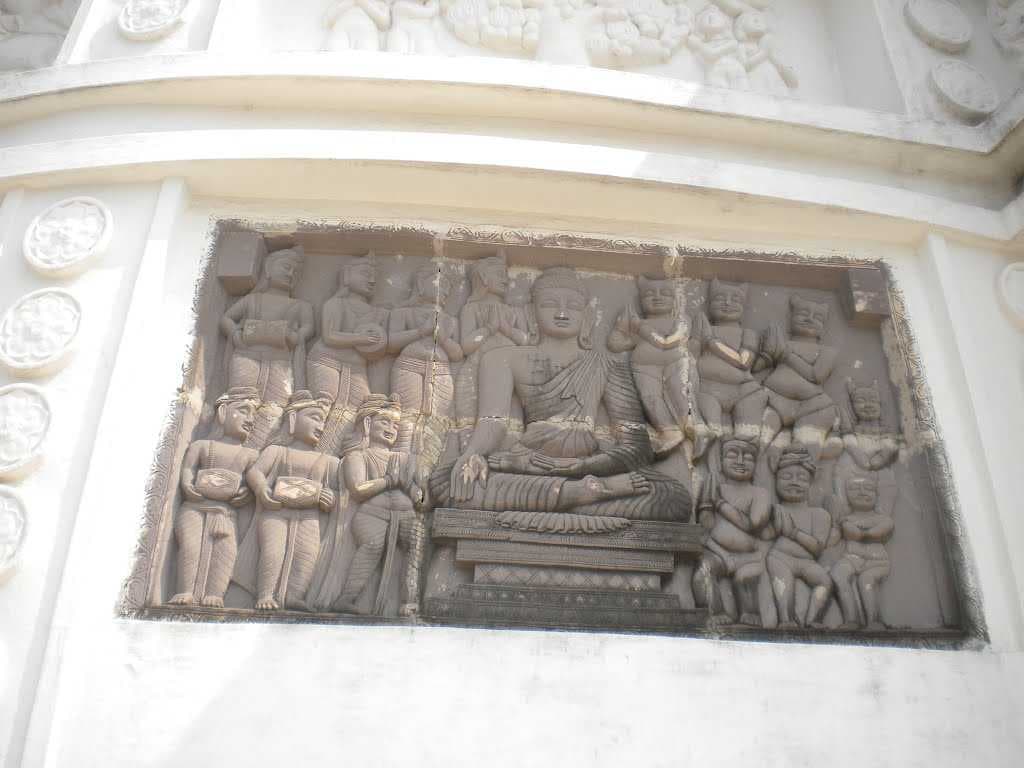
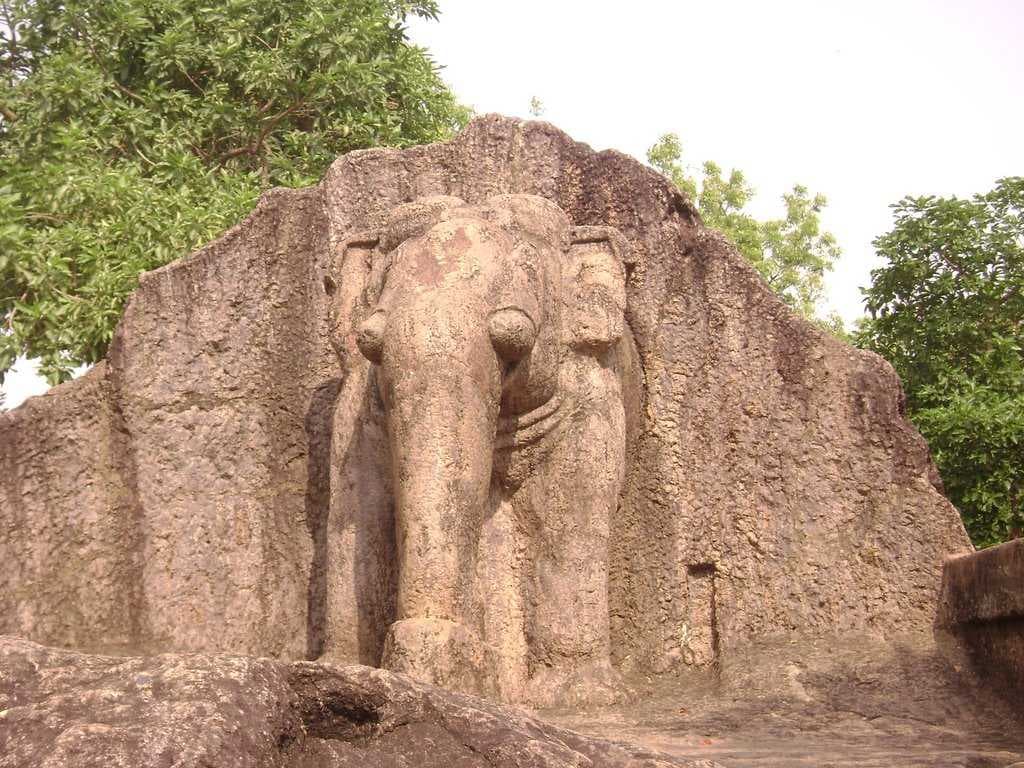
Dhauli's heart beats with the legend of Emperor Ashoka. The Kalinga War, fought on these very grounds in 261 B.C., left an indelible mark on the king. The river Daya, said to have flowed red with bloodshed, led to Ashoka's profound conversion to Buddhism. This pivotal moment in history is etched in stone on the famous Rock Edicts, pronouncements of peace and righteousness carved into the hillside over 2,200 years ago.
Whispers of Faith:
Walk in the footsteps of pilgrims at the majestic Shanti Stupa, a gleaming white peace pagoda built by the Japanese to commemorate Ashoka's spiritual transformation. Climb its spiral path, each step echoing the emperor's journey towards non-violence. From the summit, panoramic views of the Daya River and Dhauli Hill create a picture of serene beauty.
Artistic Tapestry:
Dhauli's artistic spirit manifests in the ancient carvings adorning the Ashoka Pillar. This monolith, once topped by a lion (now housed in the National Museum, Bhubaneswar), stands as a testament to Mauryan artistry. Nearby, the Udayagiri and Khandagiri caves offer a glimpse into the lives of Jain monks who carved out their dwellings centuries ago.
Beyond History:
Dhauli's charm extends beyond historical relics. Take a boat ride on the Daya River, soaking in the tranquility of the landscape. Indulge in local delicacies like Odia Rasagola and Machha Besara, each bite bursting with flavor. Attend the Kalinga Mahotsav, a vibrant festival held in February, celebrating the region's rich cultural heritage through dance, music, and art.
Dhauli is not just a tourist destination; it's a state of mind. It's a place where whispers of the past mingle with the echoes of peace, where history and spirituality create a symphony of human experience. So come, lose yourself in the serenity of Dhauli, and let its timeless spirit touch your soul.
Remember, the best time to visit Dhauli is during the winter months (October to March) when the weather is pleasant and the skies are clear. Come, discover Dhauli, and let it paint your mind with the colors of peace and history.