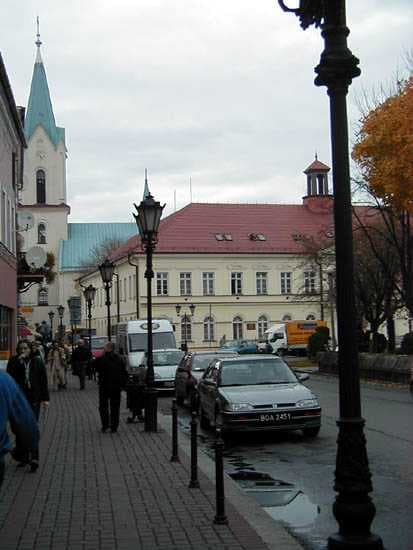
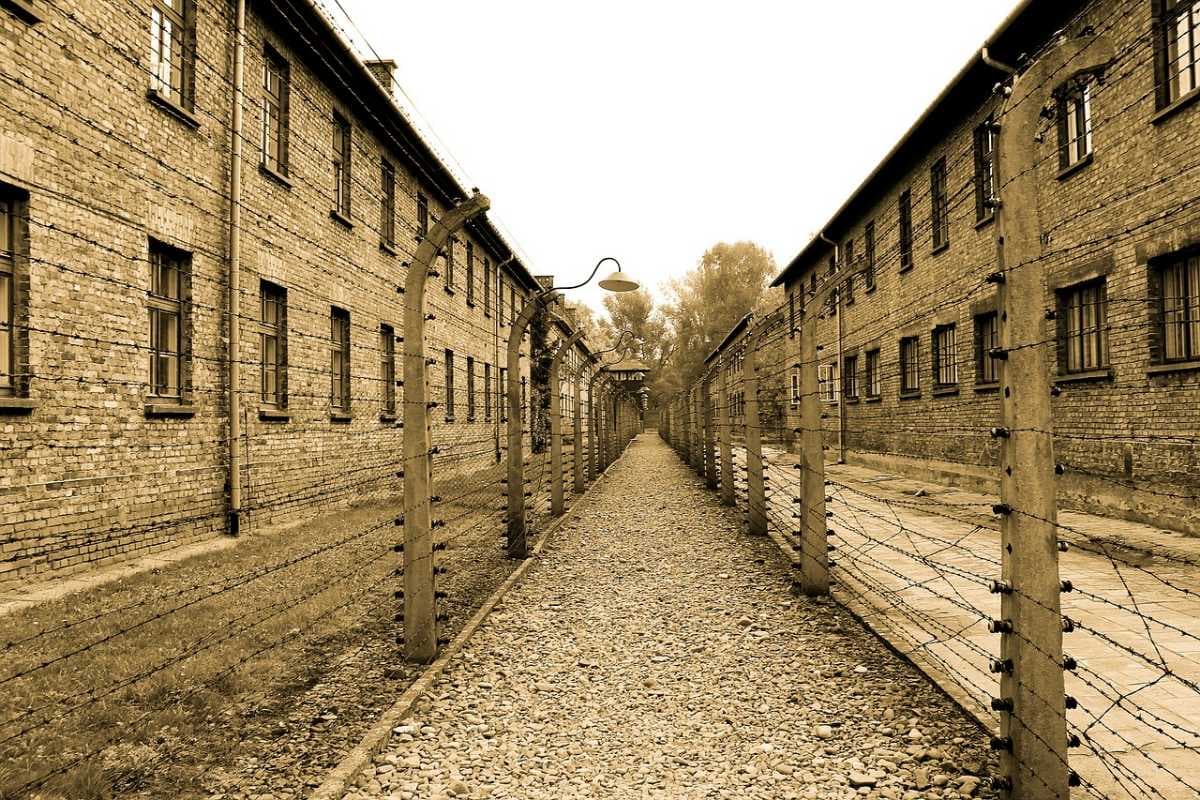

Auschwitz, located in the town of Oświęcim, Poland, is not your typical tourist destination. It serves as a chilling memorial and museum, commemorating the atrocities committed during the Holocaust. While not a place for leisure travel, visiting Auschwitz is an important and impactful experience that allows visitors to confront a dark chapter in human history.
A weight of history:
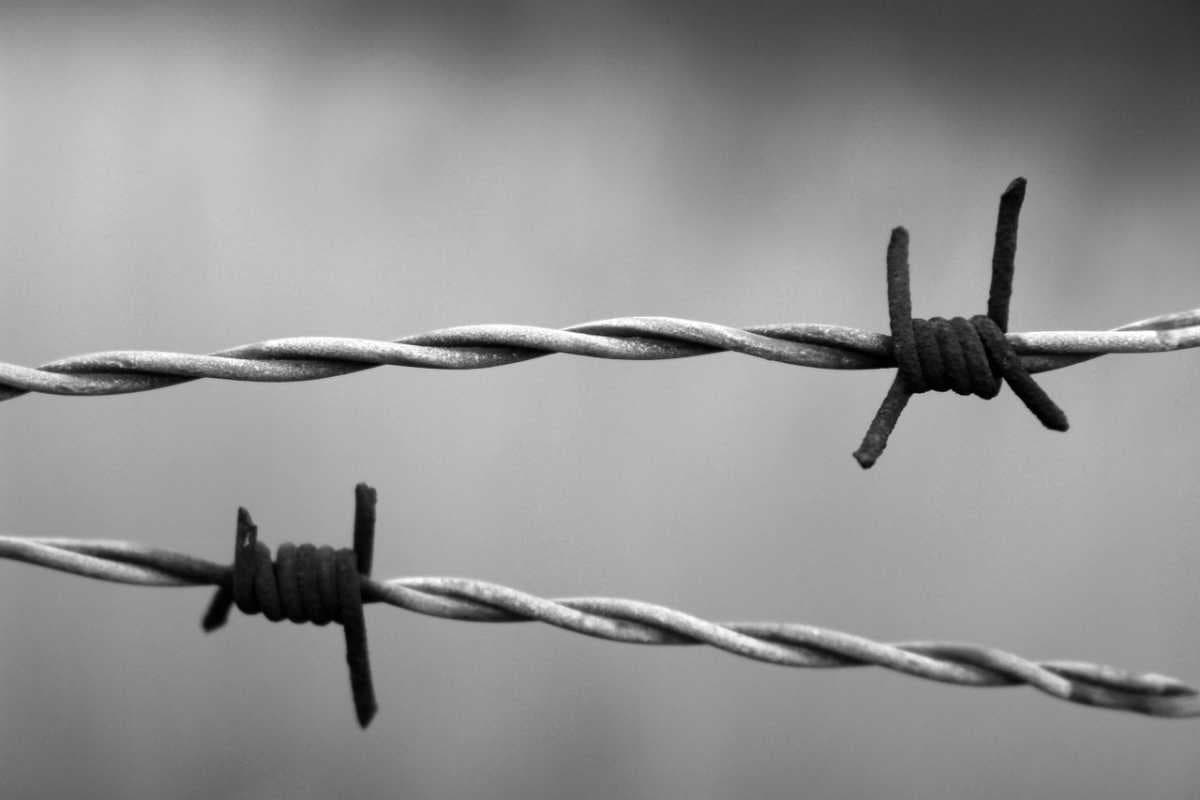
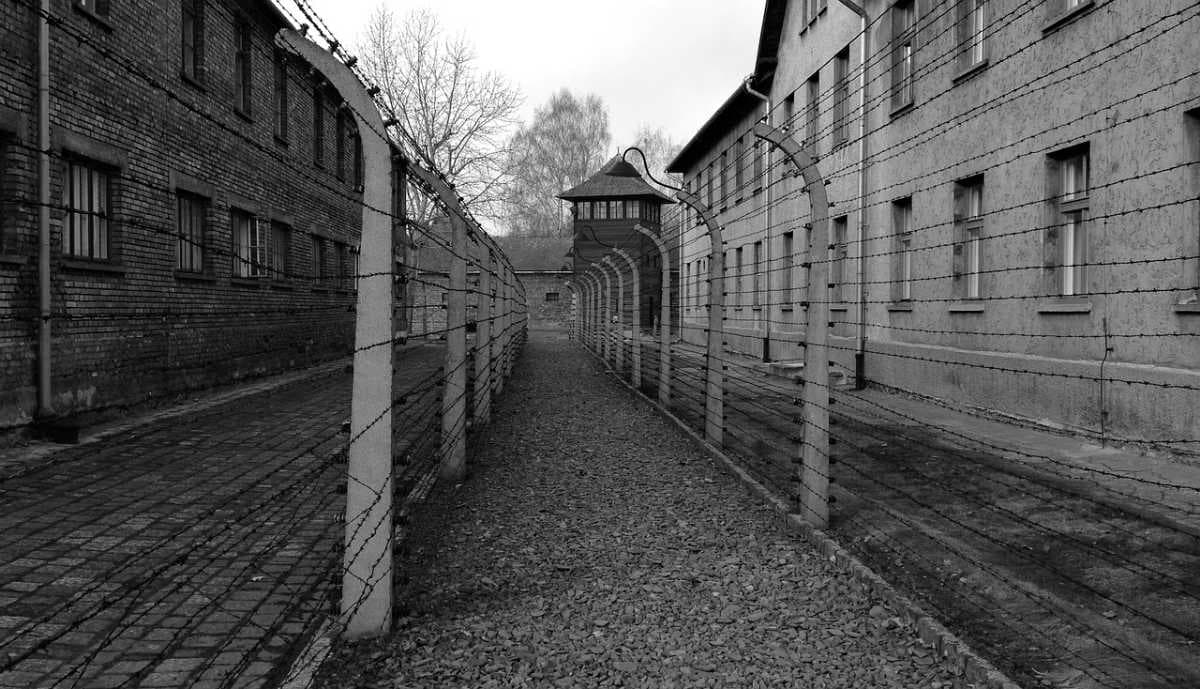
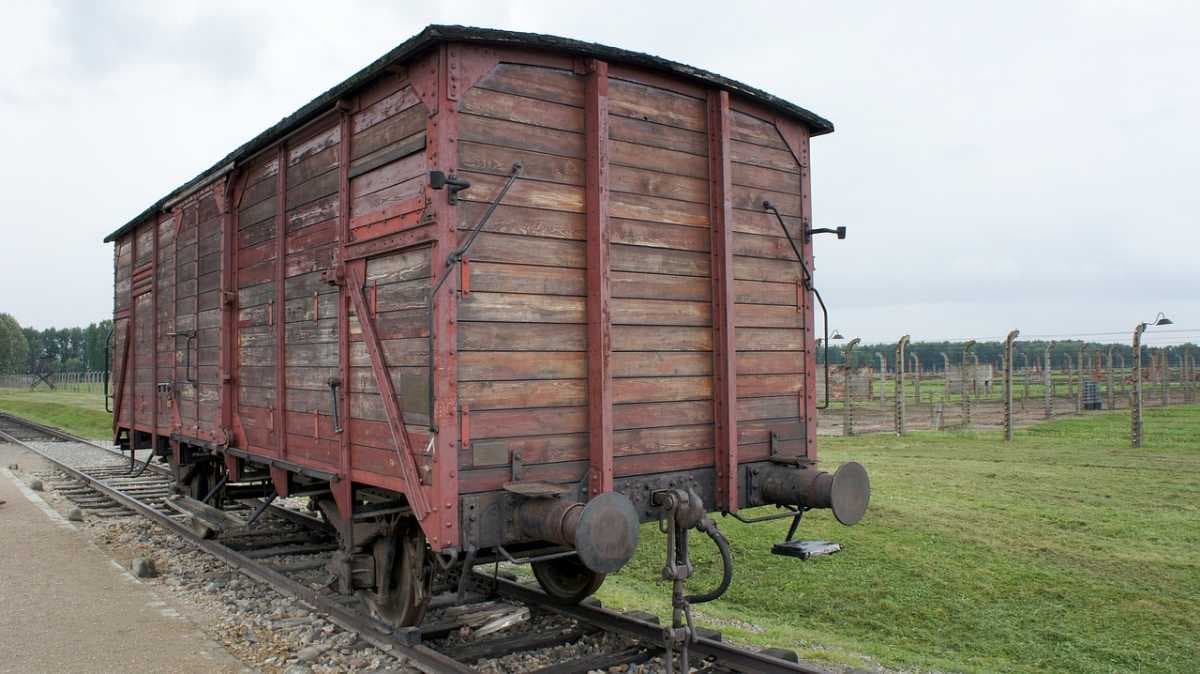
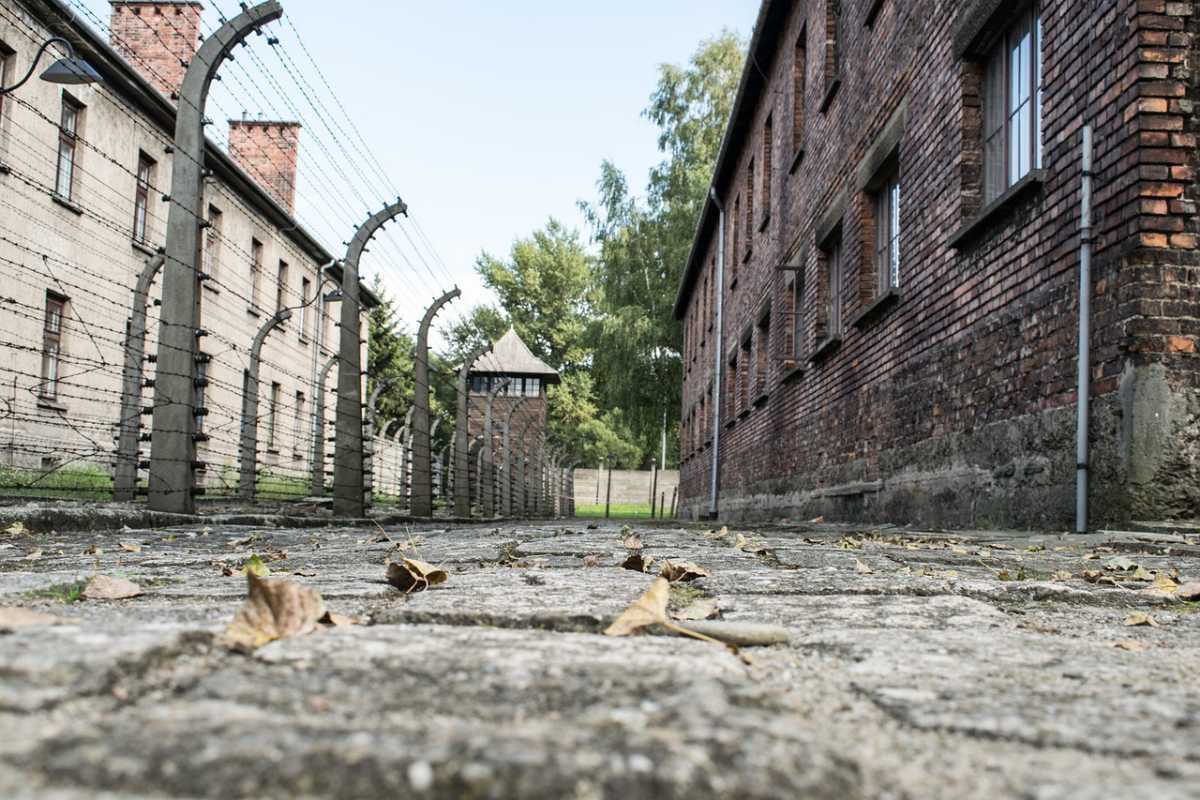
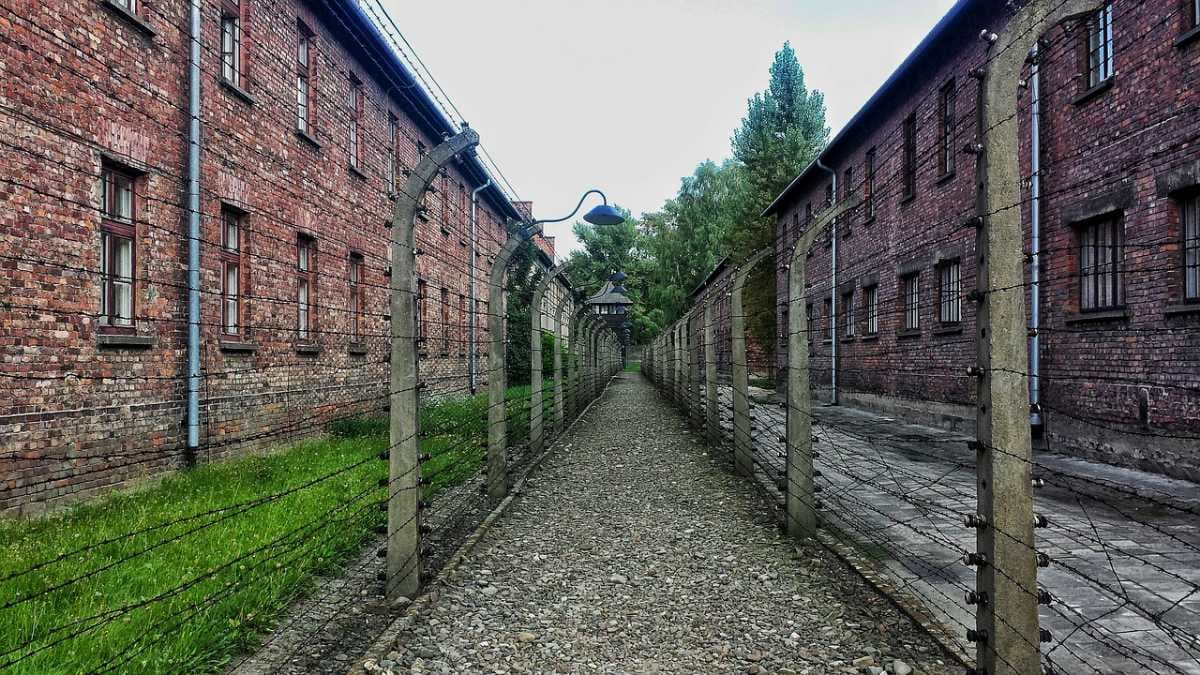
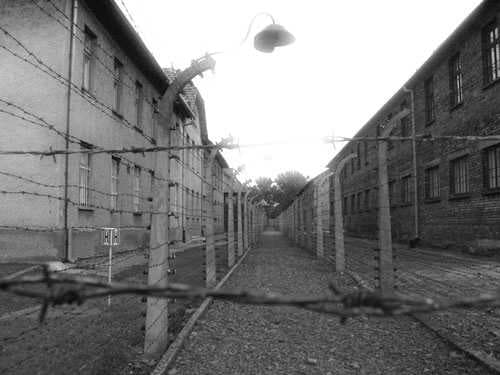
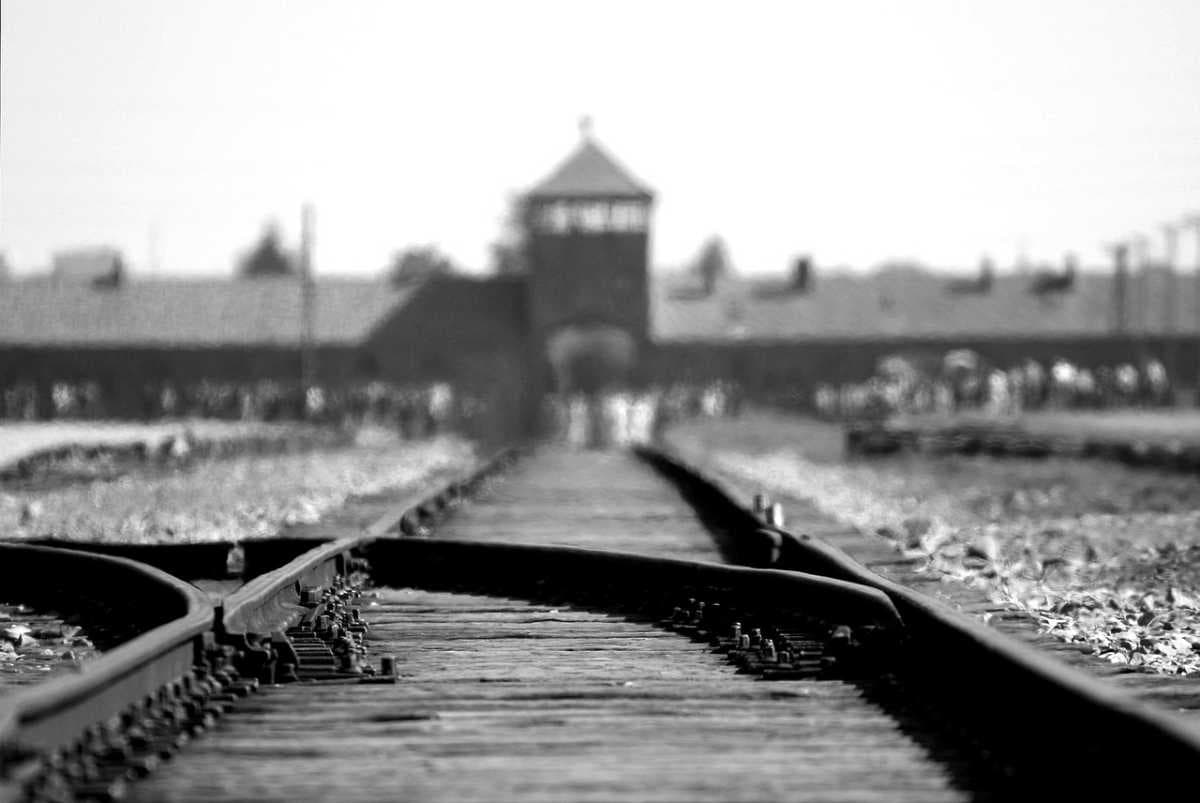
Stepping onto the grounds of Auschwitz is like stepping back in time. The red-brick buildings, barbed wire fences, and watchtowers stand as stark reminders of the suffering endured by millions. The original camp, Auschwitz I, was established in 1940 and functioned as a detention and forced labor camp for Polish political prisoners. Auschwitz II-Birkenau, built nearby two years later, became the largest extermination camp of the Nazi regime.
A guided journey through the horrors:
Exploring Auschwitz is not something to be taken lightly. It's recommended to join a guided tour led by a knowledgeable and sensitive educator. The guides provide historical context, share personal stories of victims, and help visitors process the overwhelming emotions that arise during the visit.
Haunting exhibits:
The Auschwitz museum houses a collection of artifacts, photographs, and documents that paint a harrowing picture of camp life. Visitors can see the gas chambers and crematoria, the meager living quarters, and personal belongings confiscated from prisoners. These exhibits serve as a powerful testament to the systematic dehumanization and suffering inflicted by the Nazi regime.
A place for remembrance and reflection:
Visiting Auschwitz is not about entertainment or sightseeing. It's a deeply personal and emotional experience that compels visitors to confront the depths of human cruelty and the importance of remembrance. It serves as a stark reminder of the dangers of intolerance, prejudice, and unchecked power.
Planning your visit:
- Respectful attire and behavior are expected. Dress modestly and refrain from loud talking or laughter.
- Be prepared for emotional impact. The exhibits are graphic and disturbing, and it's natural to feel overwhelmed.
- Allow ample time for your visit. A full tour typically takes 3-4 hours.
- Consider joining a guided tour. This will enhance your understanding and provide context for the exhibits.
- Photography is allowed in designated areas, but be respectful. Refrain from taking photos in areas where victims suffered.
Remember:
Visiting Auschwitz is not for everyone. It's a challenging and emotionally draining experience. However, for those willing to confront the darkness, it can be a transformative and profoundly moving journey. It serves as a stark reminder of the importance of vigilance against hatred and the responsibility to remember and honor the victims of the Holocaust.